
Information
Articles
21 November 2026
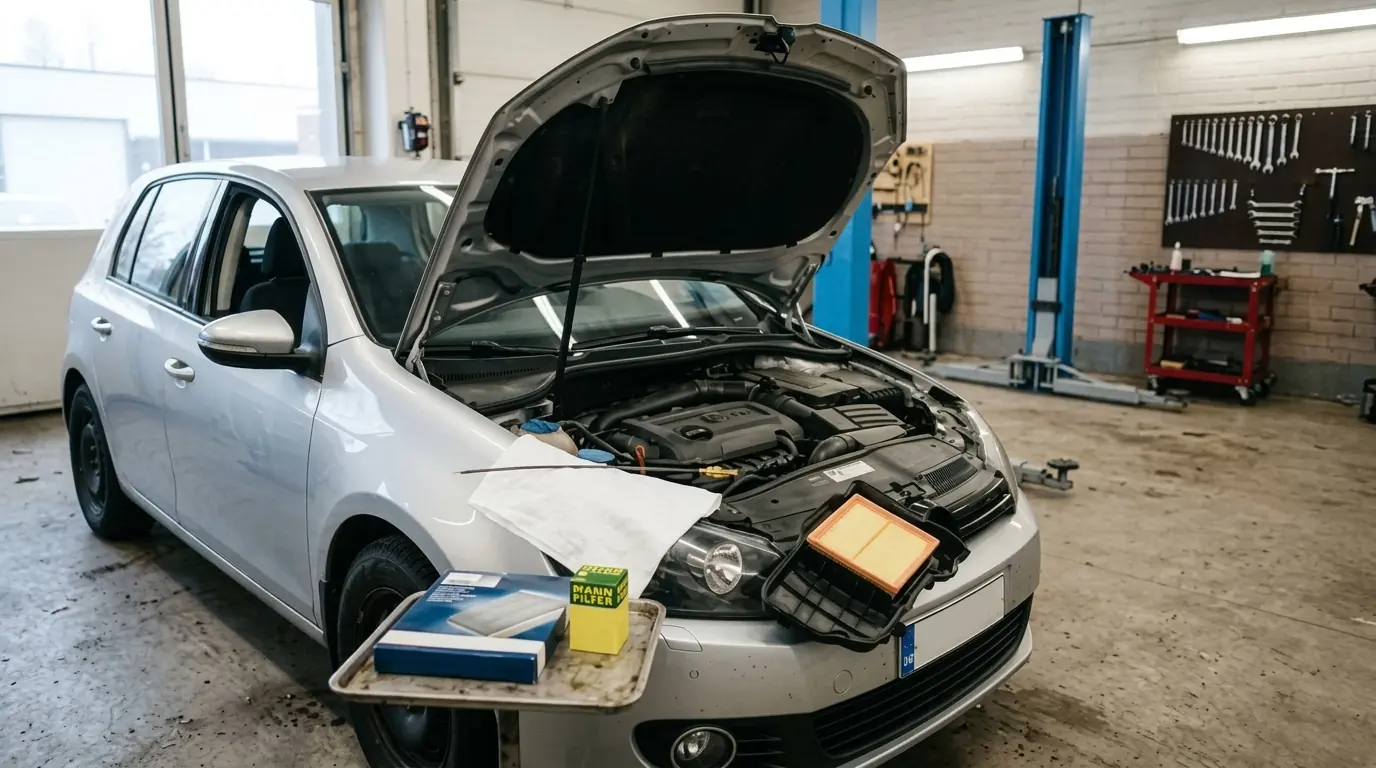
Vehicle maintenance for data centre construction projects in Finland: what fleet managers need to know
This guide is for fleet managers with cars and vans on a data centre construction project in Finland, including those who manage them from another country. It explains who is responsible for maintaining a rented vehicle, what Finland requires of vehicles in use, and how to keep servicing and repairs under control from a distance.
16 November 2026
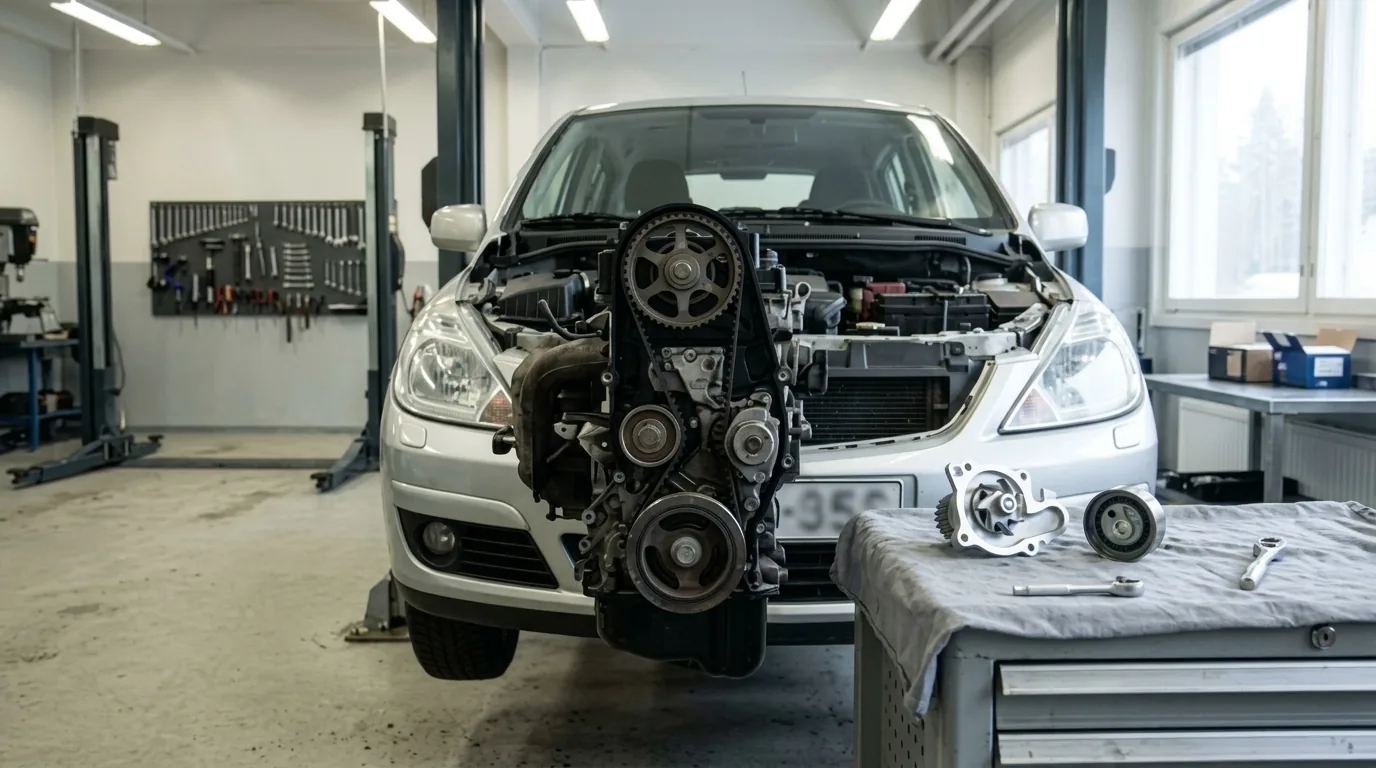
Ford 1.0 EcoBoost timing belt: interval and replacement
The timing belt on Ford's 1.0 EcoBoost runs inside the engine, in oil. In 2026, Ford announced a new replacement interval for the belt of about 160 000 km or six years. Your own car's interval is checked in Ford's service schedule, and the change is a considerably bigger job than an ordinary timing belt change.
10 November 2026
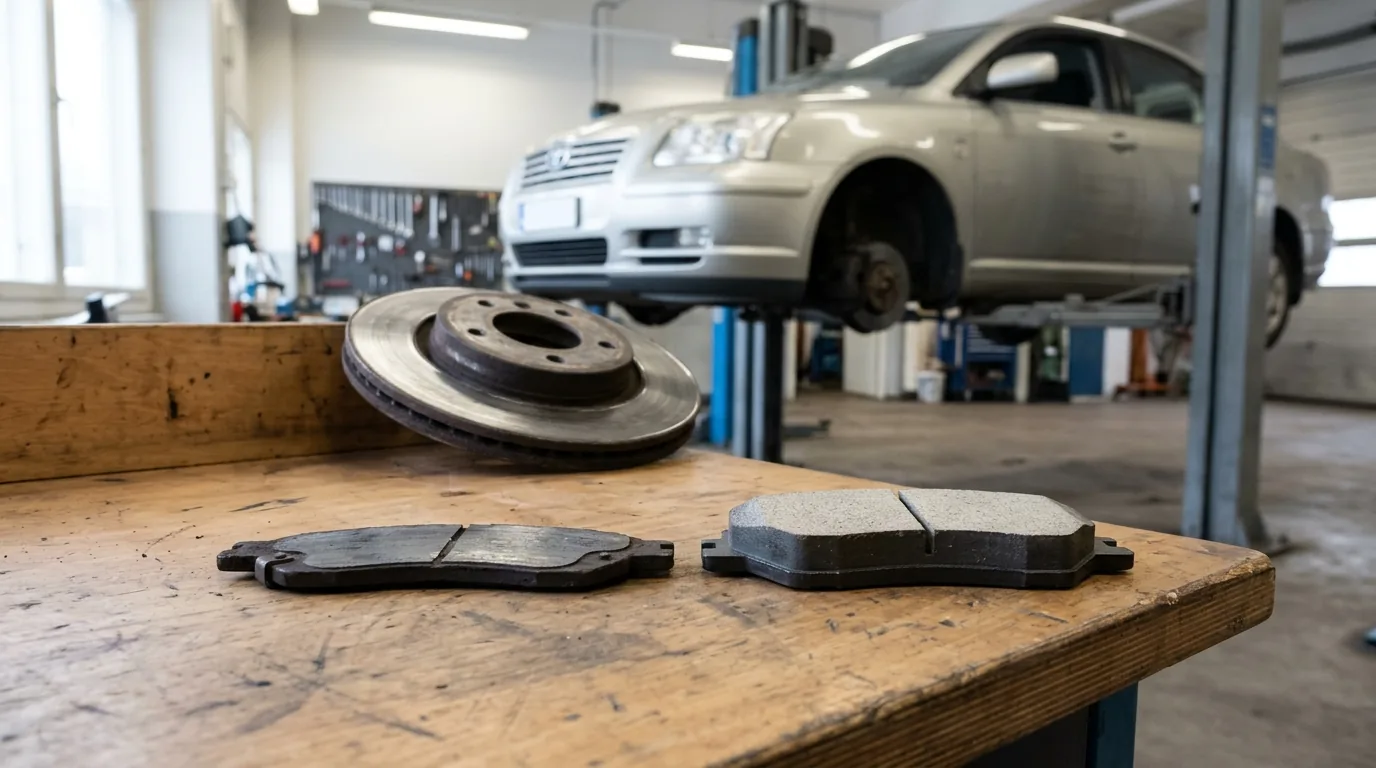
Brake pad replacement interval: when to replace pads and discs and how to spot wear
Brake pads have no fixed replacement interval: they are replaced when only a little friction material is left. According to the brake manufacturer Brembo, front pads last 25 000–50 000 kilometres on average and rear pads up to twice as long, but in city driving pads can wear out much sooner. At the inspection (katsastus), a car fails if a pad has less than 2 mm of friction material or a disc is thinner than the minimum the manufacturer specifies.
10 November 2026
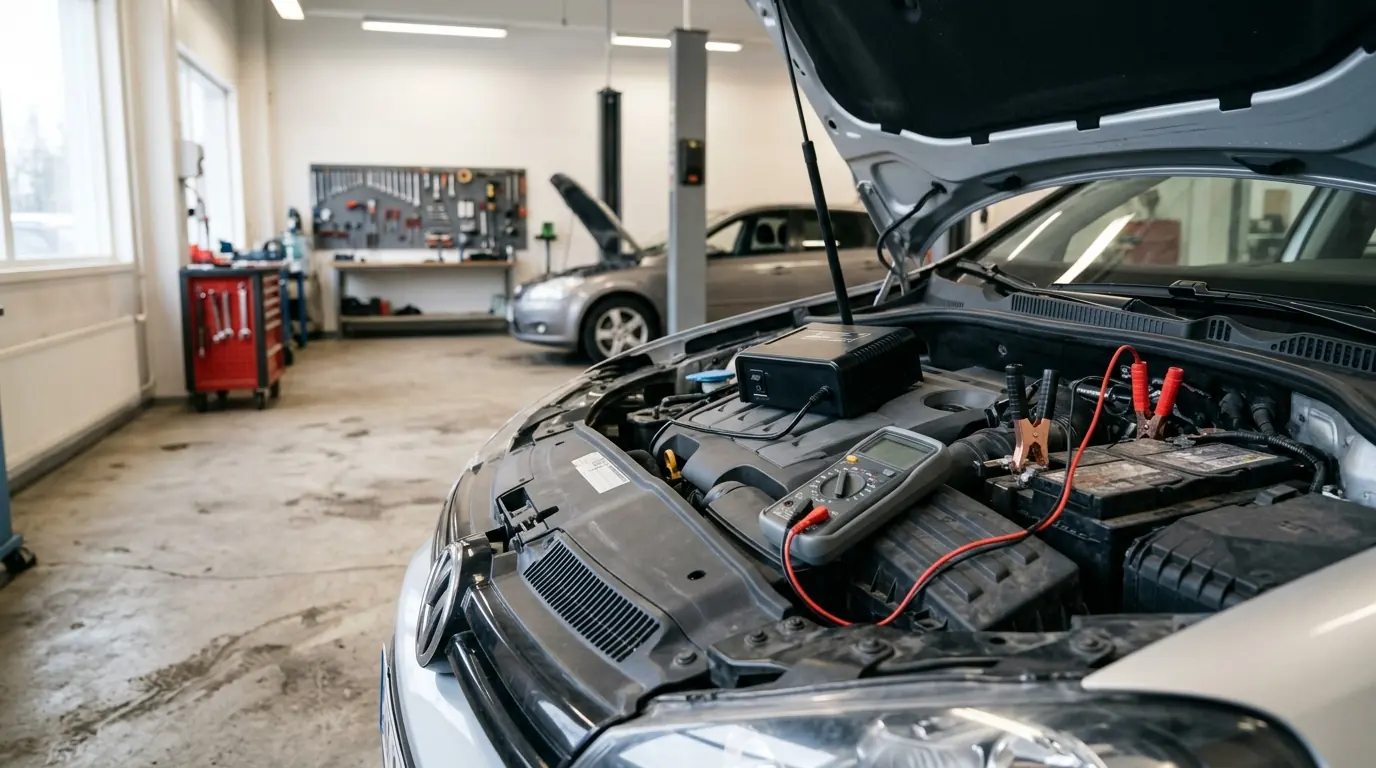
Car battery charging and voltage: how to tell if the battery will last the winter
A fully charged car battery reads about 12.7 volts at rest, and a reading below 12.4 volts means the battery needs charging. Charging time is roughly the battery's capacity divided by the charger's current, plus about ten per cent: a 70 Ah battery takes about 15 hours on a 5 amp charger. But the voltage does not tell you whether the battery will cope on a frosty morning.
10 November 2026
Car inspection interval: when a car must be inspected
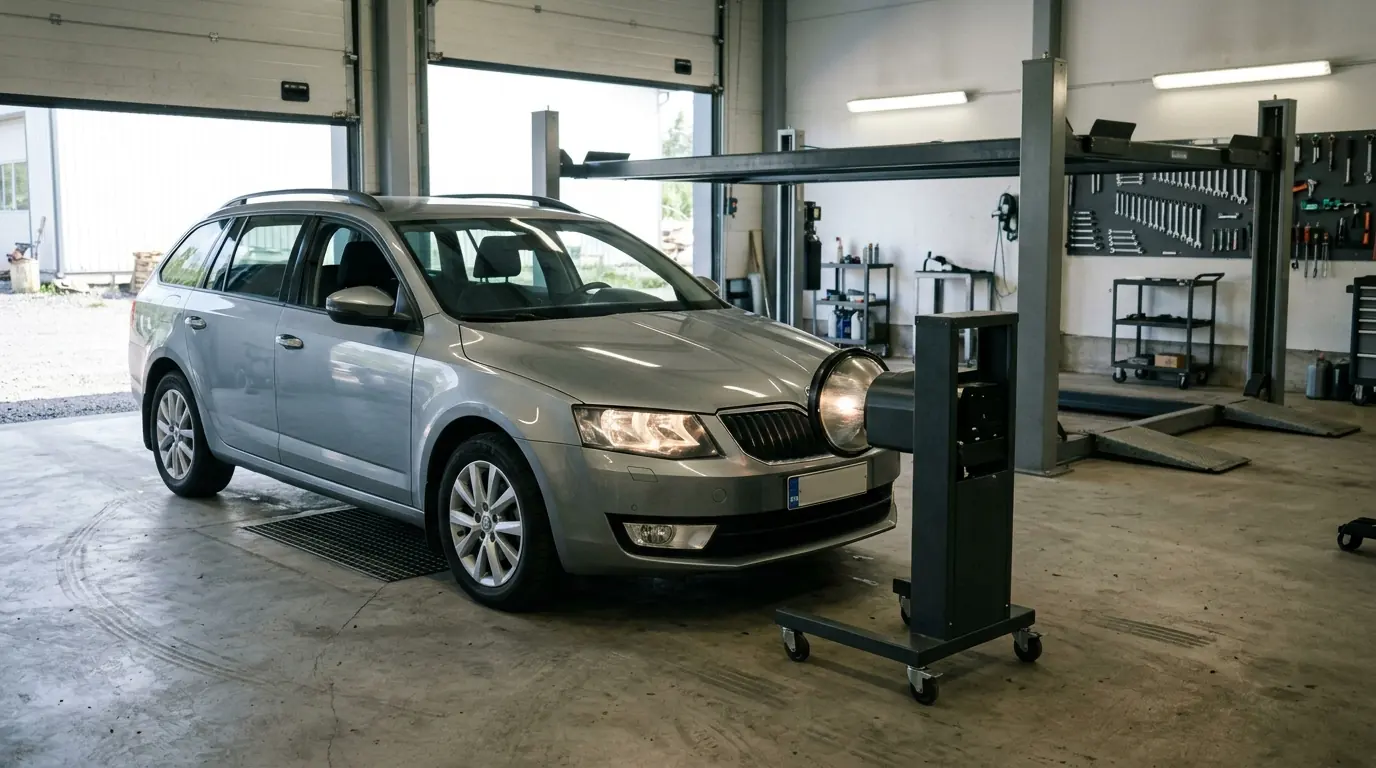
A car's inspection (katsastus) interval is first four years from first use, then two years, and one year once the car is more than ten years old. You can see when the next inspection is due on the inspection certificate, in the Oma asiointi service of Traficom, the Finnish Transport and Communications Agency, or in Traficom's free vehicle-data lookup by registration number. You can also have the car inspected before the due date.
10 November 2026
Car vibrates when braking: what causes it and what to do
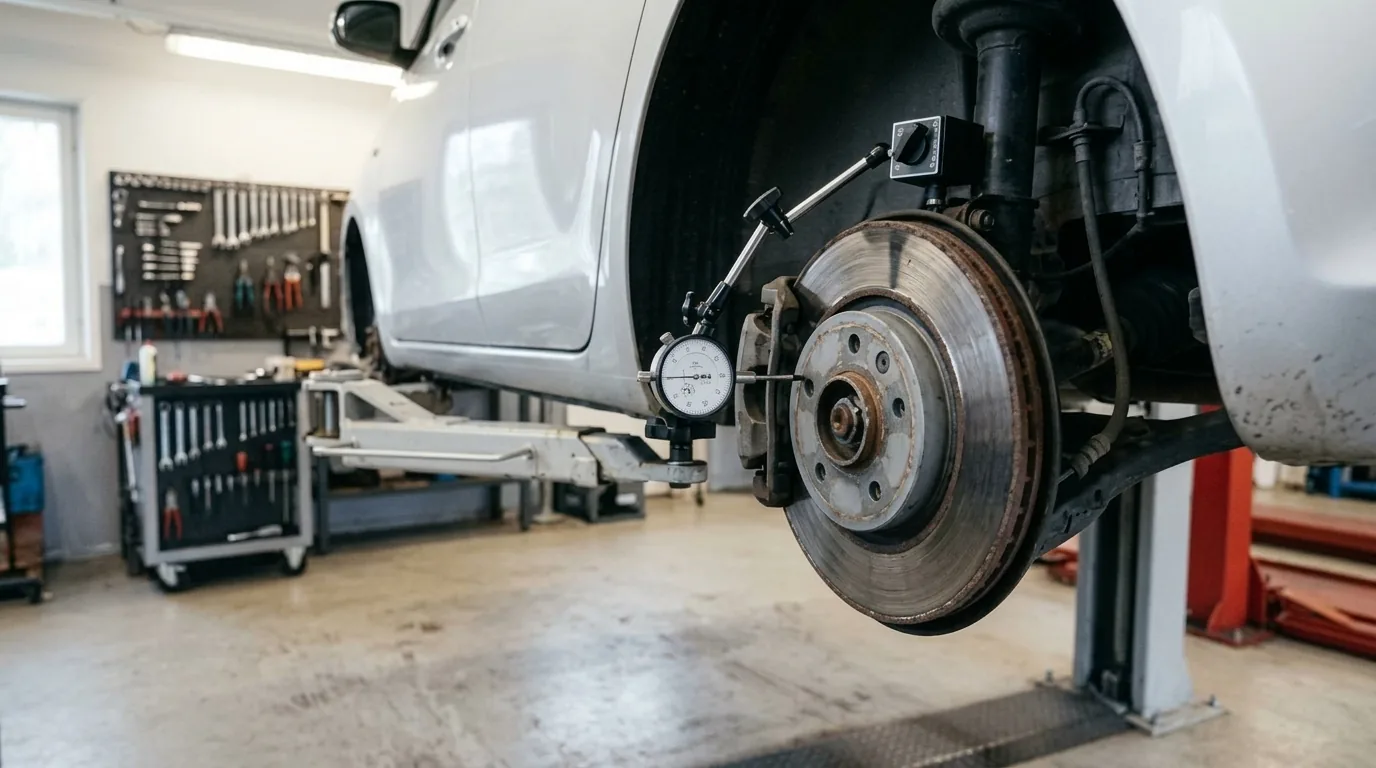
When a car vibrates under braking, the cause usually lies in the brake discs: the disc varies in thickness, or an uneven deposit has built up on its surface, so the brake pad grips the disc unevenly on every revolution. If you feel the vibration through the steering wheel, the fault is usually in the front brakes. At the periodic inspection (katsastus), a large variation in braking force at a single wheel is grounds for rejection.
10 November 2026
Car won't start in the cold: what causes it and what to do right away
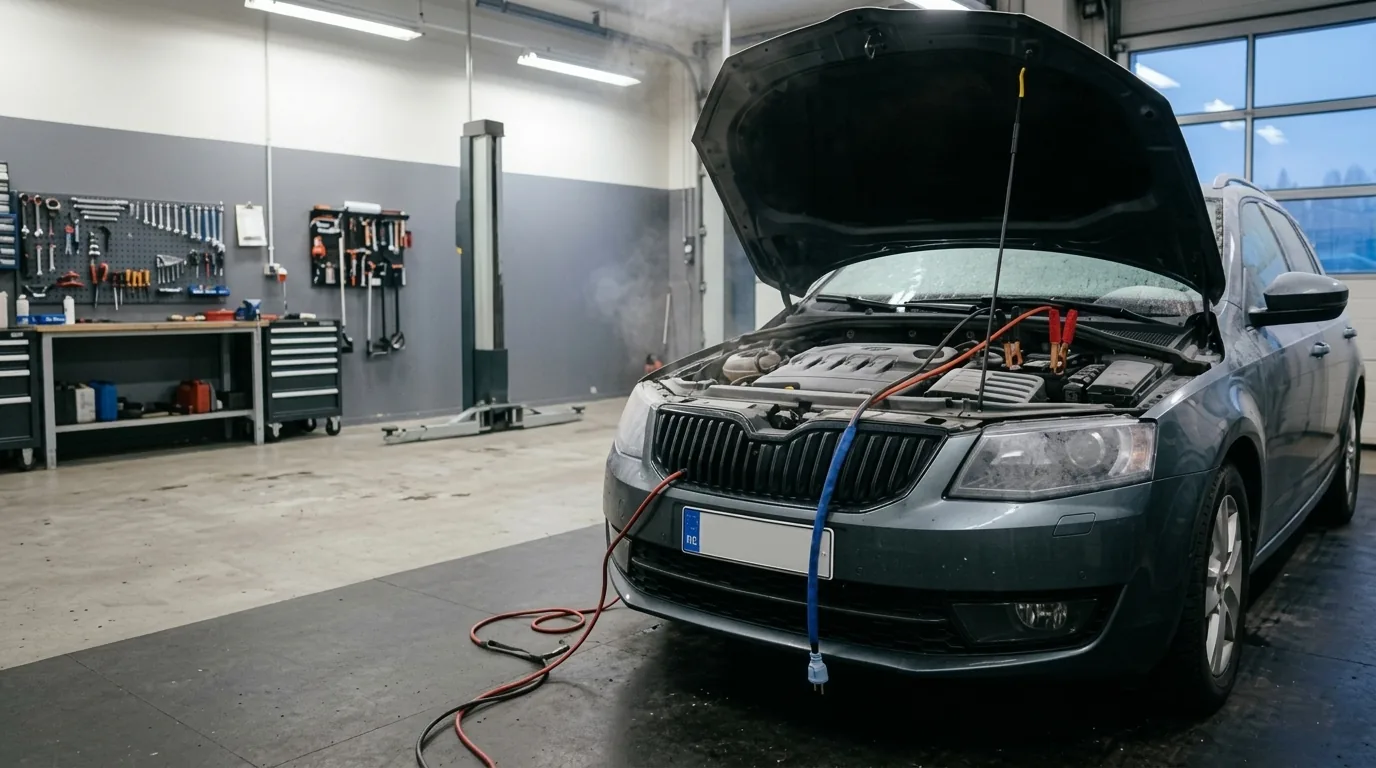
When a car won't start in the cold, the cause is most often the battery: the cold weakens the battery, and stiff oil means the starter motor needs more current. The sound tells you where to look: a slow crank, just a click, or an engine that turns over but won't fire. Here is how to identify the fault and act right away.
10 November 2026
Clunking noise from your car: why it happens and when it is urgent
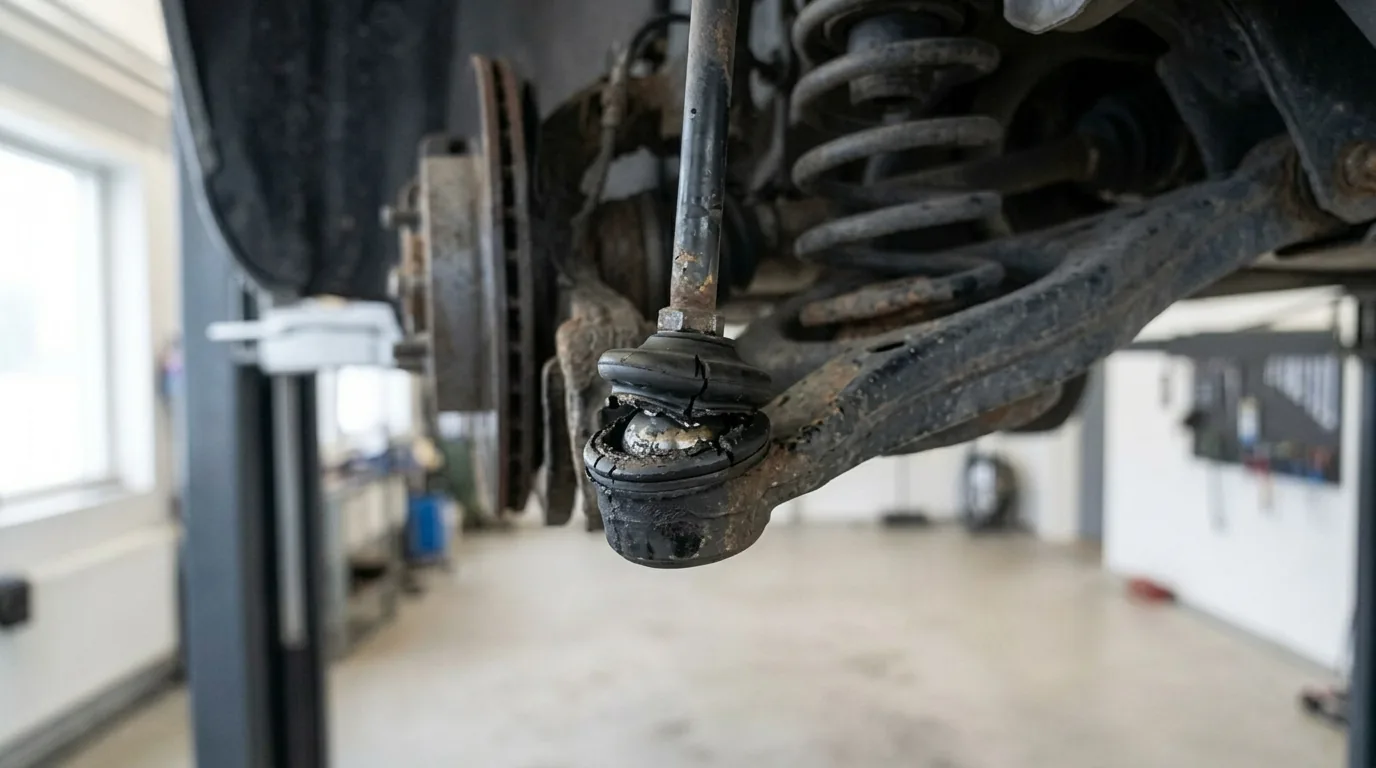
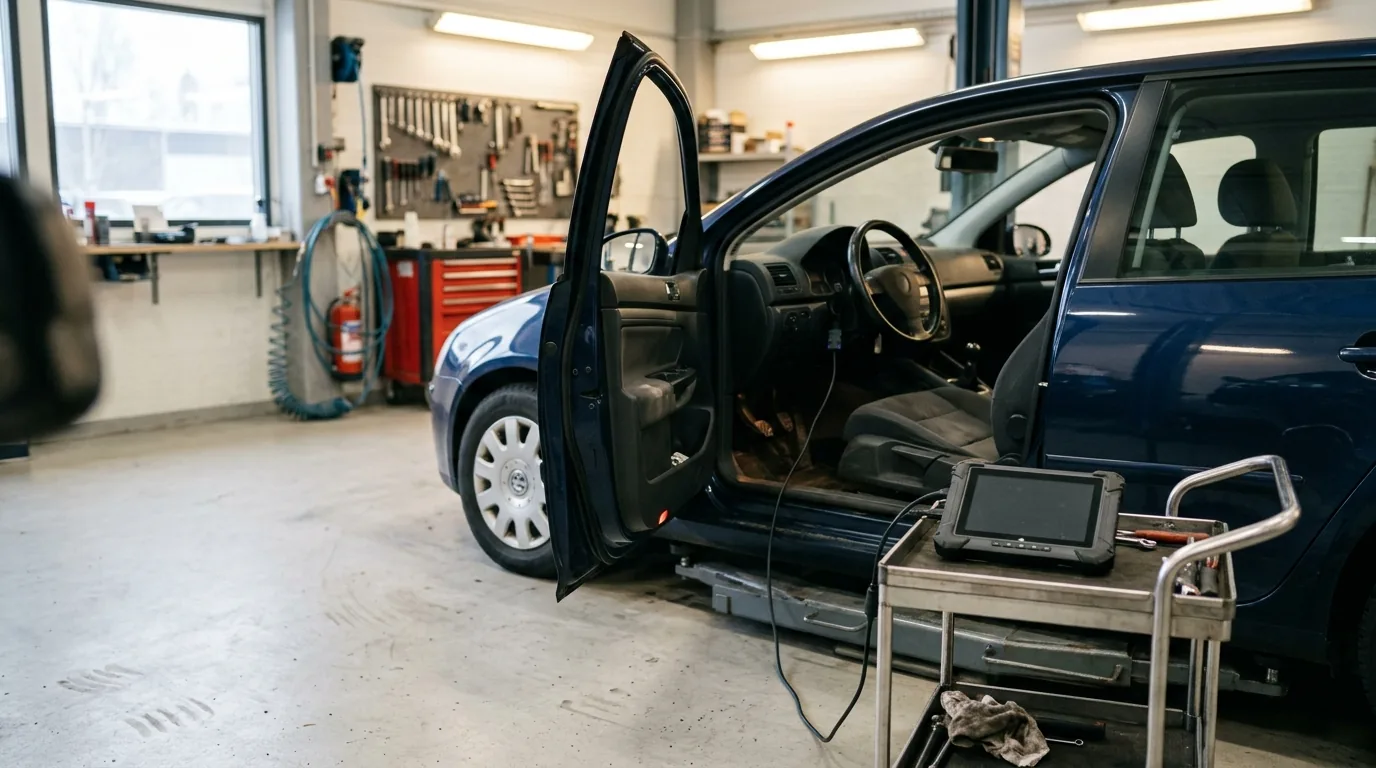
When a car clunks over bumps, in potholes or as it turns, the cause is often a worn joint or bush. The part is identified on the lift, and you are told the price before anything is replaced.
10 November 2026
Digital service book: where the service is recorded and whether you keep the warranty
A digital service book is the manufacturer's system that records a car's services in place of a paper book. You can still choose for yourself where the car is serviced: according to the Finnish Competition and Consumer Authority, the warranty stays valid as long as the car is serviced to the manufacturer's service schedule. In any case, keep an itemised invoice showing the work done, the parts used and the mileage.
10 November 2026
Dual-mass flywheel: symptoms, diagnosis and replacement
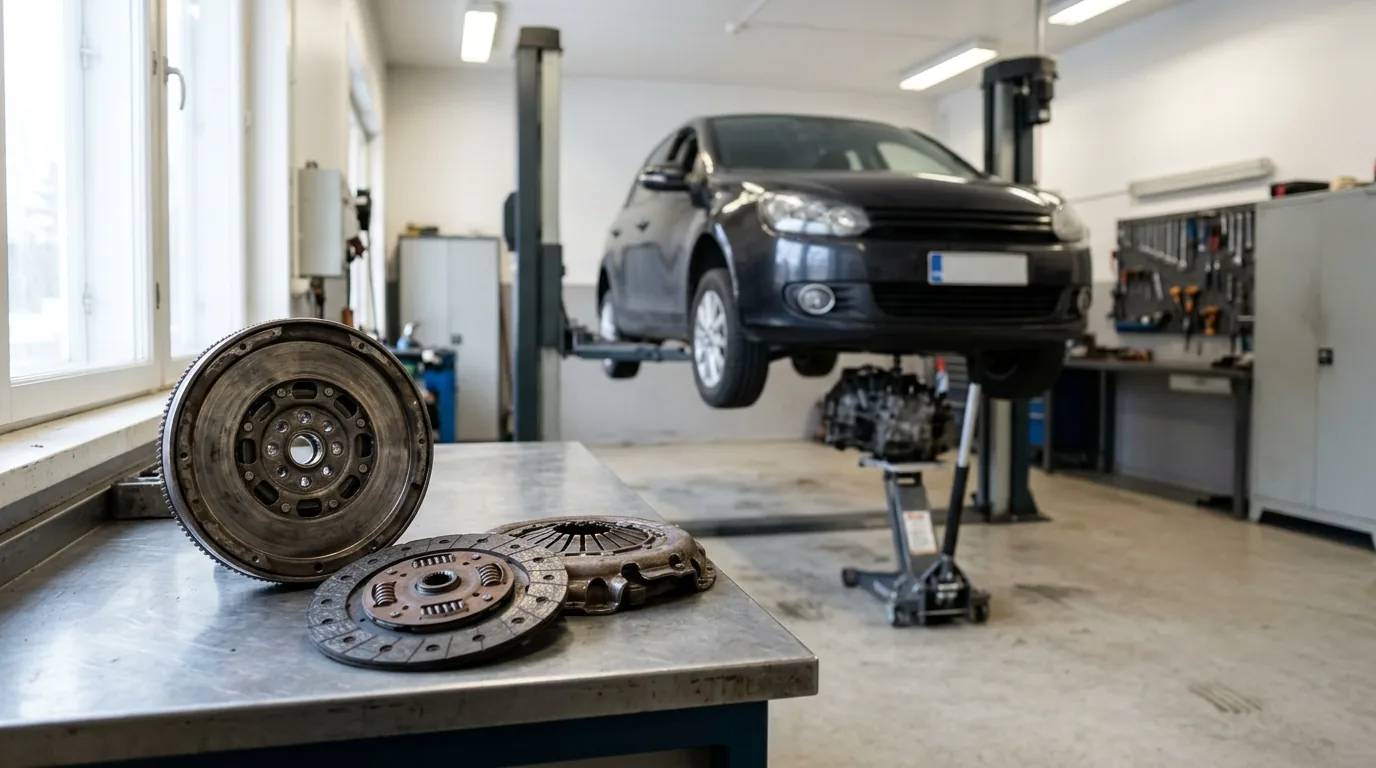
A dual-mass flywheel is a two-part flywheel between the engine and the clutch, with springs that damp the engine's pulses before they reach the gearbox. When it is worn, the car rattles at idle or when the engine is switched off, and it can judder when pulling away. The noise alone does not prove a fault, so the flywheel's condition is measured with the gearbox out, and a worn dual-mass flywheel is usually replaced together with the clutch.
10 November 2026
Engine oil viscosity: what 5W-30 means and which oil your car needs
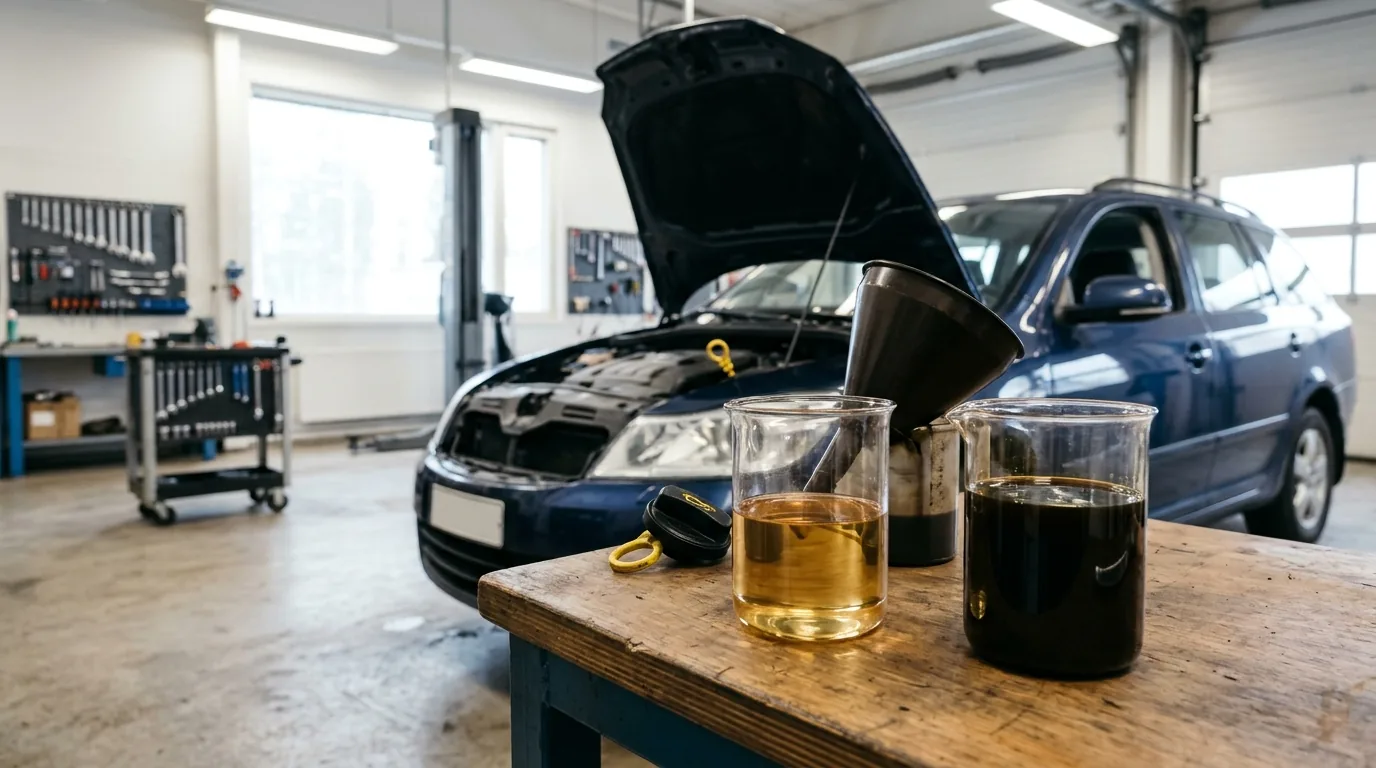
In 5W-30, the first number describes how the oil behaves in the cold and the second how it behaves in an engine at operating temperature. Even so, it is the manufacturer's approval and the ACEA class that decide which oil your car needs.
10 November 2026
Engine warning light on: can you drive, and will the car fail its inspection?
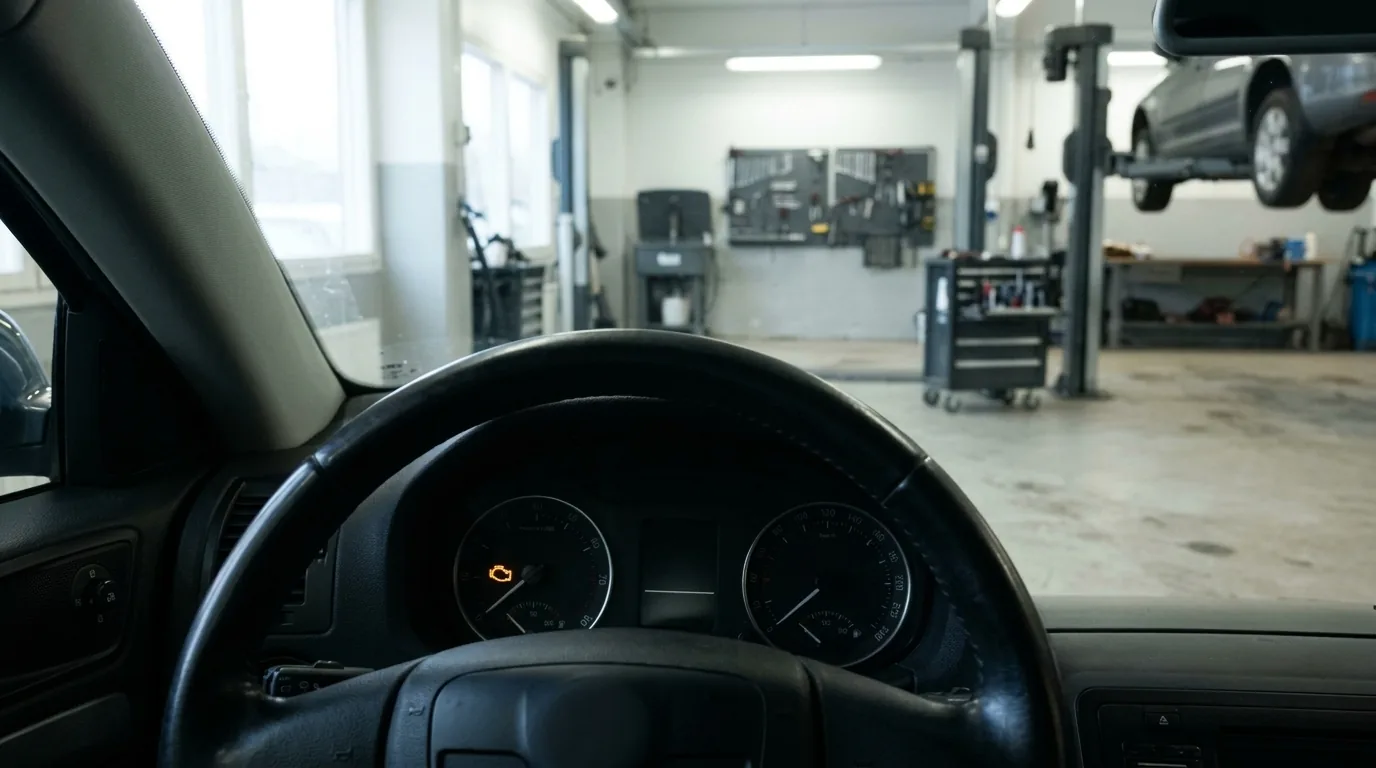
When the engine warning light stays on, the car's engine management system has detected a fault that must be looked into soon. If the light flashes, it usually means a misfire, which can damage the catalytic converter, and you should avoid driving. At the inspection, a fault reported by the warning light fails the car, for example on a petrol car under ten years old.
10 November 2026
Failed inspection: why cars fail and what to do next
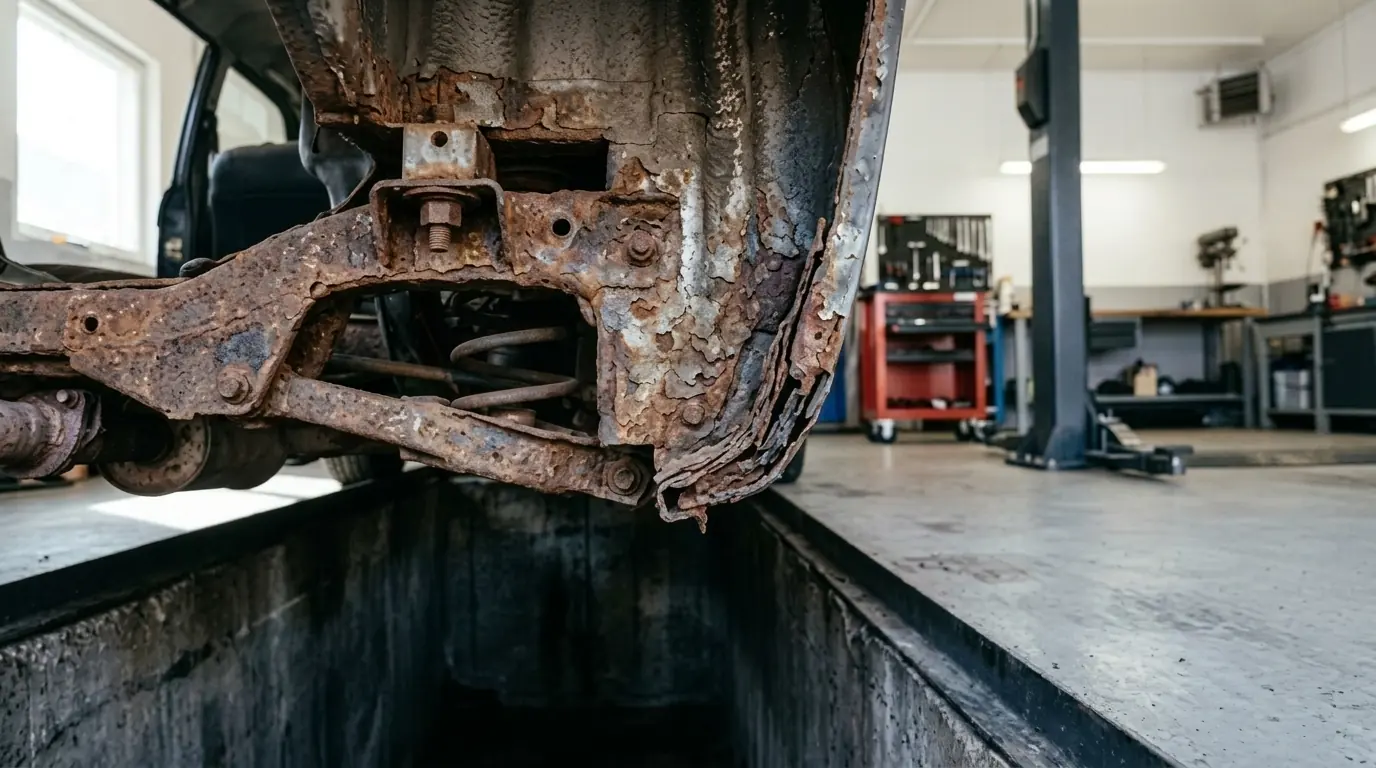
A car fails the inspection (katsastus) when it has a serious fault that may endanger safety or affect the environment. In 2025, rejection faults were found most often in the front axle, the suspension and the brakes. If the car was taken to the inspection on time, it may be used for two months with its faults repaired, and you have a month for the re-inspection (jälkitarkastus).
10 November 2026
Handbrake frozen or not holding: causes, repair and the inspection
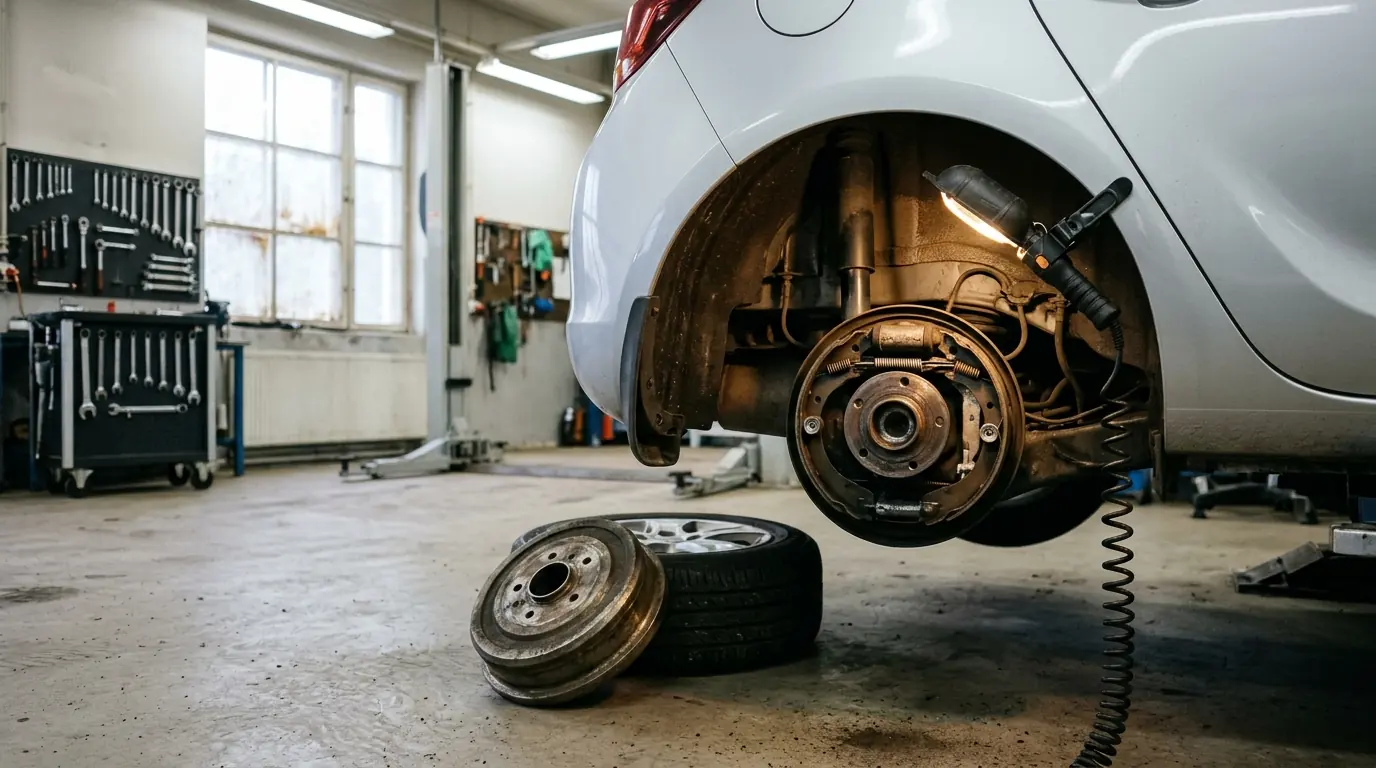
Handbrake frozen? A wet brake can freeze on during a frosty night, and it is not worth trying to free it with the accelerator or by jerking the car. If the handbrake will not hold, the fault is usually in the rear brakes or the cables.
10 November 2026
How to prepare for the inspection: what is inspected and what you can check yourself
Before the inspection (katsastus), it pays to check the lights, wipers, tyres, number plates and dashboard warning lights yourself. They are among the commonest causes of repair notices (korjauskehotus): in 2025, 136 417 notices were recorded for the number plate light alone. The front axle, suspension and brakes only show on a lift, and that is where the inspection finds the most rejection faults.
10 November 2026
How to store tyres: keeping summer tyres through the winter and winter tyres through the summer
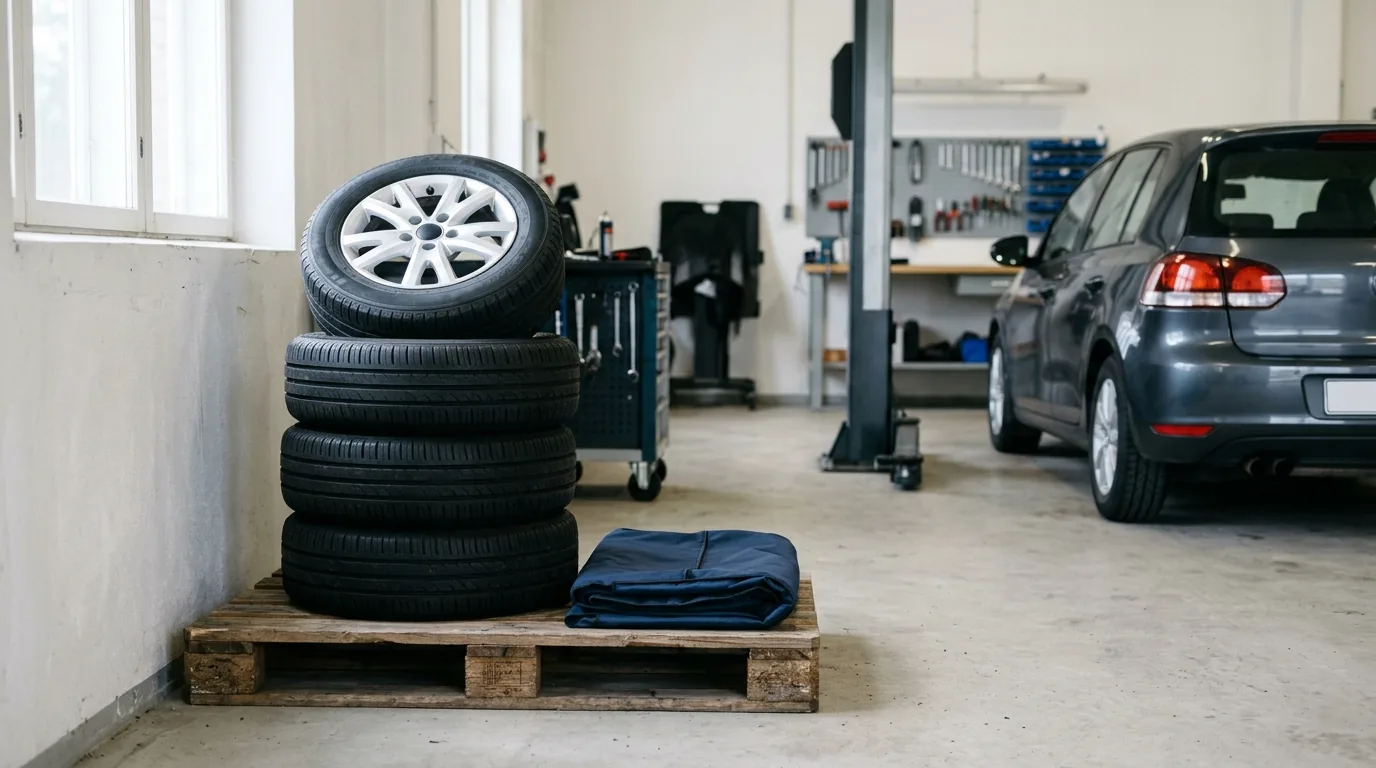
Wash and dry the tyres, mark each one's position on the car and take them indoors to a cool, dry, dark place. Stack or hang tyres on rims, and store tyres without rims upright. Keep the tyres away from sunlight, moisture, ozone, oils and solvents.
10 November 2026
Inspection rejection rates and faults by make, 2025
In the 2025 inspections, Toyota and Audi failed least often and Citroën and Renault most often. The tables give each make's rejection rate, faults, mileage and rejection causes.
10 November 2026
Inspection statistics 2025: rejection rate, most common faults and repair notices
Passenger cars in Finland went through 2 184 538 periodic inspections in 2025, and 30.4 % of them ended in a rejection. Of the rejection faults on cars first registered between 2005 and 2021, 67.1 % were in the axles, wheels and suspension or in the brakes. We have set out the 2025 figures from Traficom, the Finnish Transport and Communications Agency, in tables.
10 November 2026
Jump-starting a car with leads, and giving another car a jump start
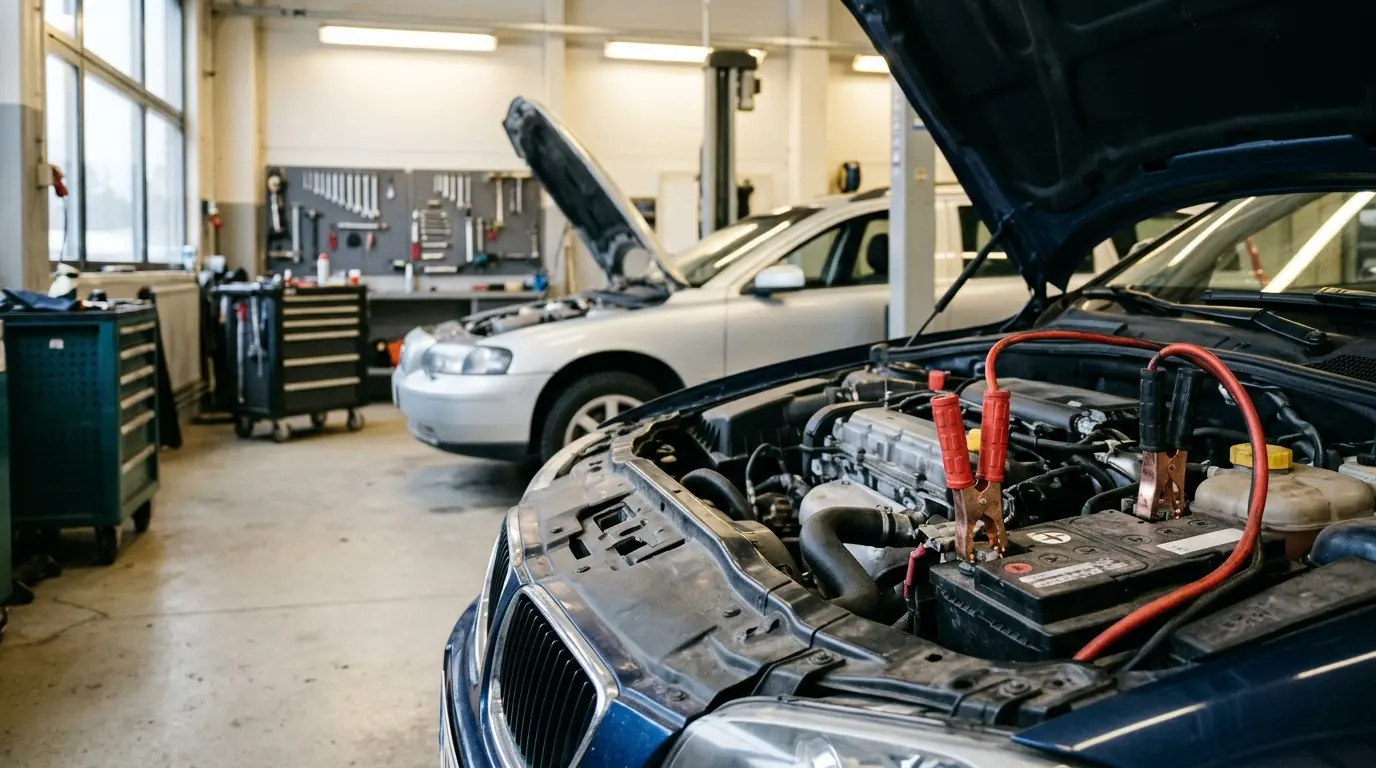
Connect the red lead to the flat battery's positive terminal first, then to the donor battery's. The black lead goes on the donor battery's negative terminal and, last of all, on an earth point on the dead car well away from the battery, not on the flat battery's negative. Start the donor car, let it run for a few minutes, then start the dead car. You must not jump-start a frozen battery.
10 November 2026
Oil change interval: how often to change the engine oil and what happens if the interval is stretched
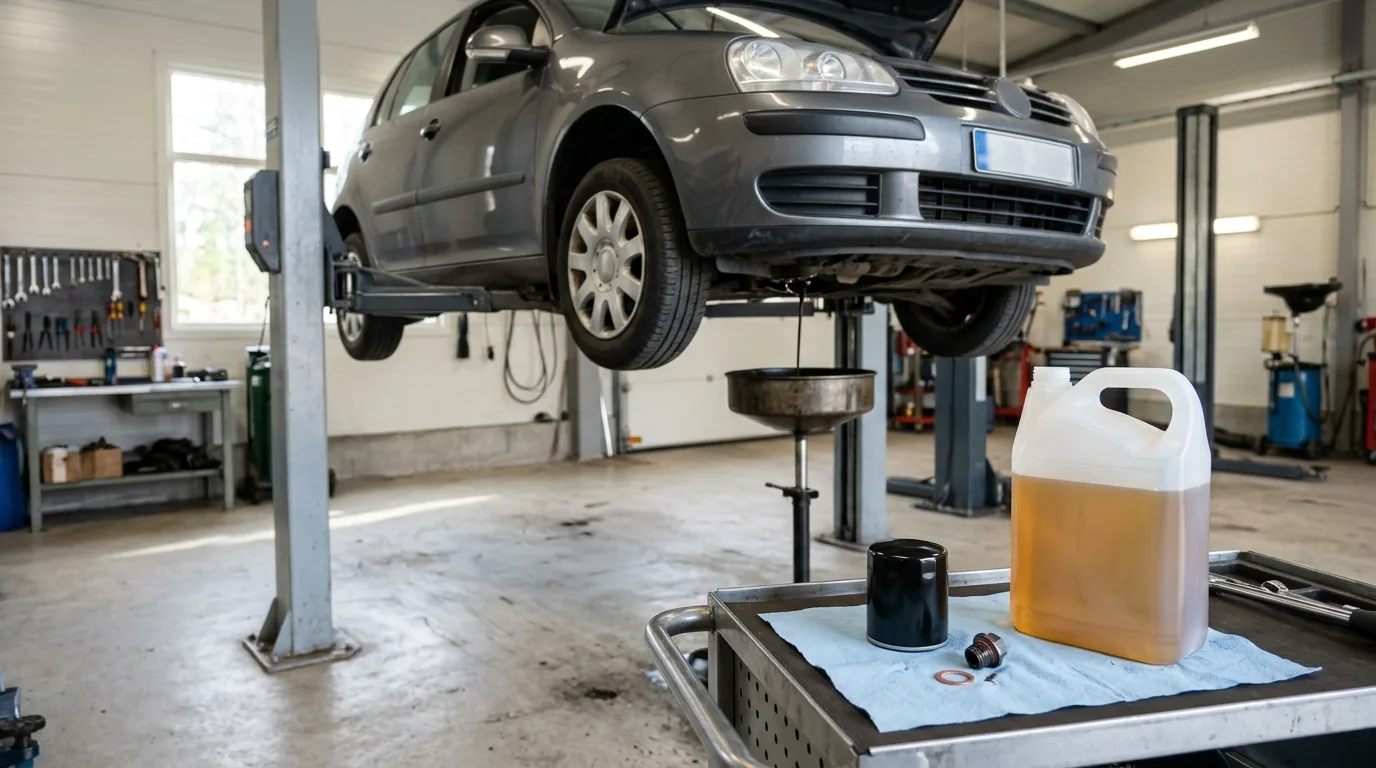
The oil change interval is given in the car's service schedule in kilometres and in months, and the oil is changed at whichever limit is reached first. On many makes the interval is 15 000 kilometres or a year, but short trips, freezing weather and towing a trailer shorten it. Stretching the interval wears the engine, the turbo and the timing chain, and if the neglect causes a fault, the warranty may not cover it.
10 November 2026
Overdue inspection: ban on use, driving ban and the drive to the inspection
When the due date for a car's inspection (katsastus) passes, the car is under a ban on use (käyttökielto) and may not be driven on the road. You may still drive it to a booked inspection. A driving ban (ajokielto) is a different matter: it is imposed by an inspector because of a dangerous fault, or by the police, who can remove the number plates of a car under a ban on use. The driver of an uninspected car can be ordered to pay a traffic infringement fee (liikennevirhemaksu) of 70 euros.
10 November 2026
Peugeot, Citroën and Renault at inspection: what the 2025 statistics show
Of the major makes, Citroën and Peugeot had the most rejection faults at the 2025 inspections: 70.8 and 67.9 per hundred inspections, against 46.8 for all makes. Renault came fourth with 66.1. On each of the seven most common French models, the front axle topped the list of rejection items.
10 November 2026
Re-inspection: how it works and how soon it must be done
At a re-inspection (jälkitarkastus), the inspector checks only the items the car failed on. A failed car can be approved at a re-inspection within a month of the rejection, and the re-inspection that follows a periodic inspection can be done at any inspection station entitled to inspect that car.
10 November 2026
Repair notice at the inspection: what it means and whether the fault must be fixed
A repair notice (korjauskehotus) means that the car passed its inspection (katsastus) but a minor fault was found on it. The fault must be repaired within a reasonable time, but no re-inspection (jälkitarkastus) is needed and nobody checks the repair separately. In the 2025 inspections, the most common reason for a notice was the number plate light.
10 November 2026
Replacing a car battery: when it has to be done and how to choose the right one
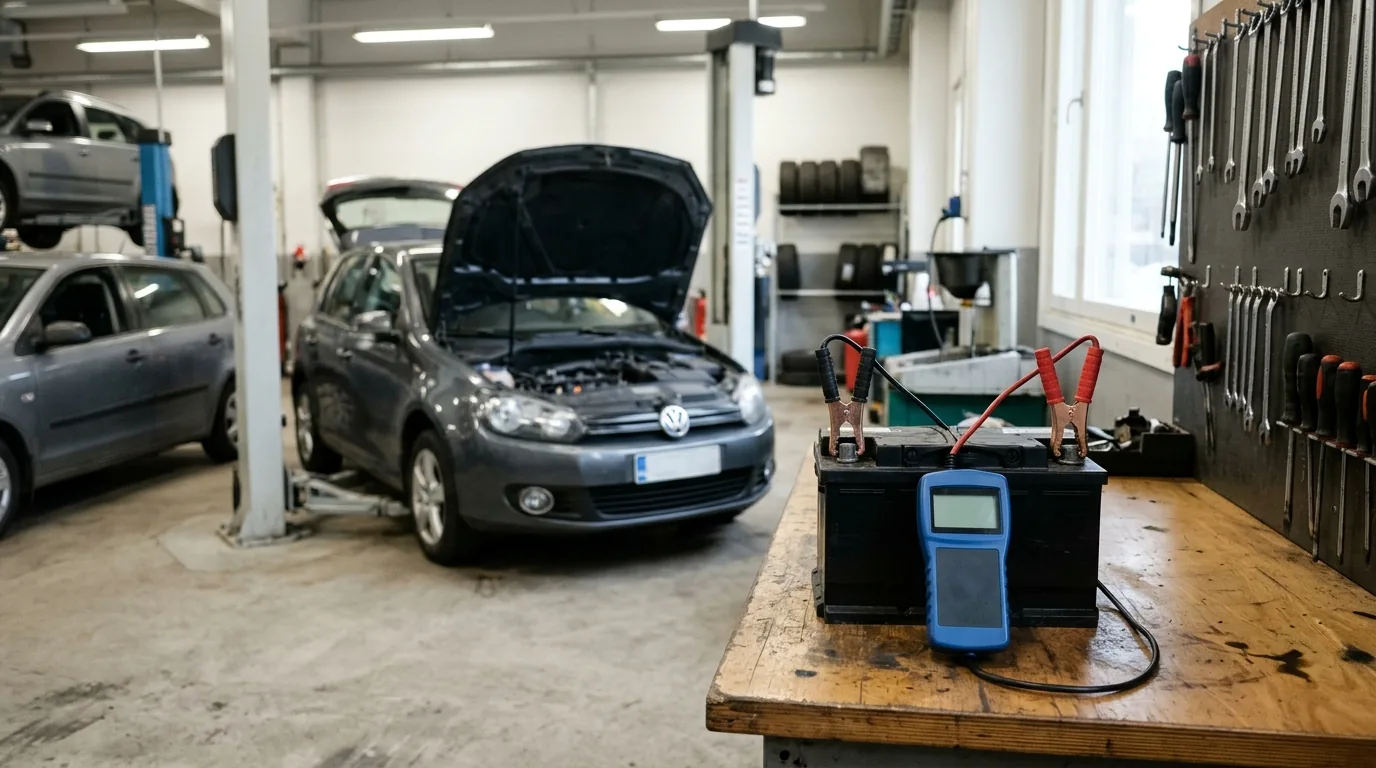
A car battery is worth replacing when a battery test shows that its ability to start the car has weakened, or when starting slows down even in warm weather. According to Autoliitto, the Automobile and Touring Club of Finland, a battery typically lasts about five years. The new battery's size, terminal positions, capacity, cold cranking current and type are chosen to suit the car, and an AGM battery is always replaced with an AGM battery.
10 November 2026
Scheduled service: what is done, how often and whether you keep the warranty without dealer servicing
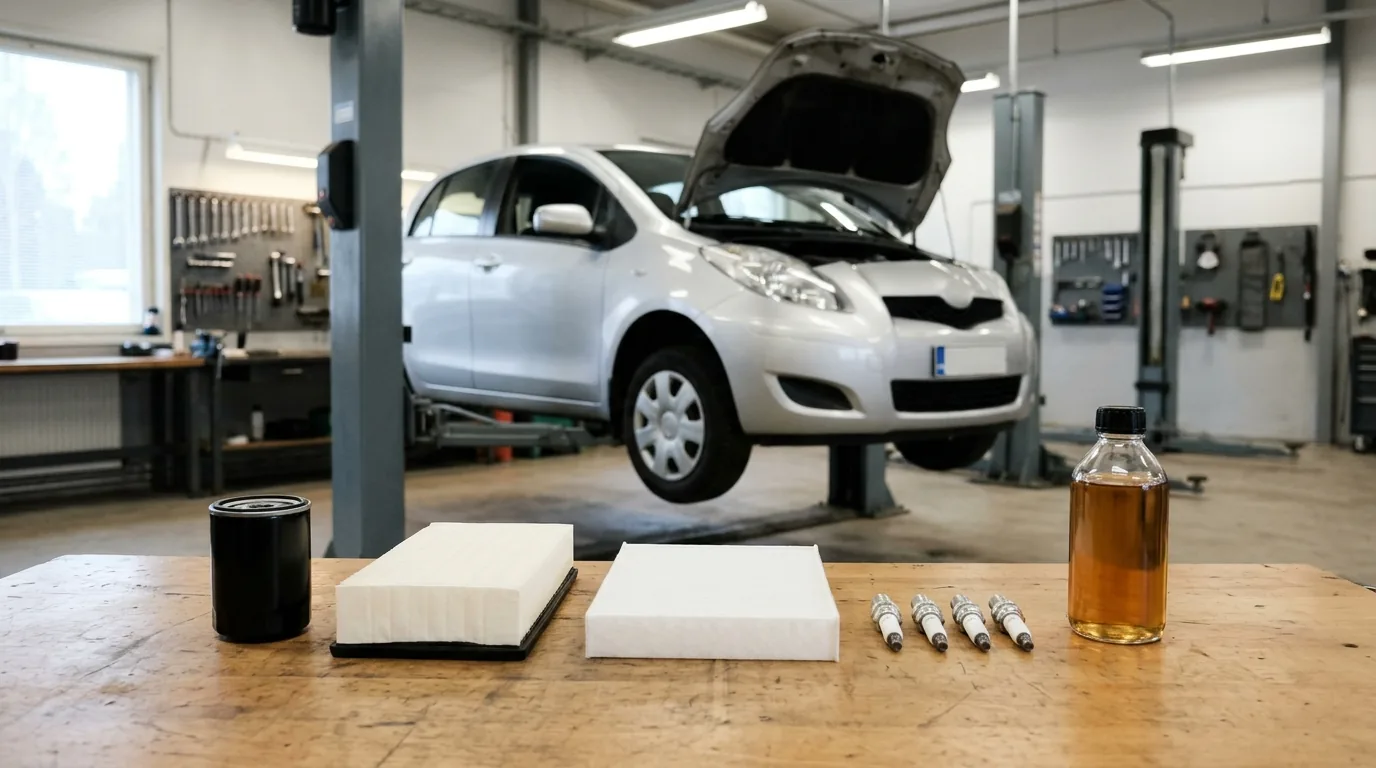
At a scheduled service, the car gets the work set out in the manufacturer's service schedule, for example once a year or every 15 000 kilometres. Most services include an engine oil and oil filter change, and at longer intervals other filters, the brake fluid, the spark plugs and the coolant are changed too. You can choose for yourself where the car is serviced: according to the Finnish Competition and Consumer Authority, you keep the warranty as long as the car is serviced to the manufacturer's service schedule.
10 November 2026
Studded or non-studded: which winter tyre suits the capital region
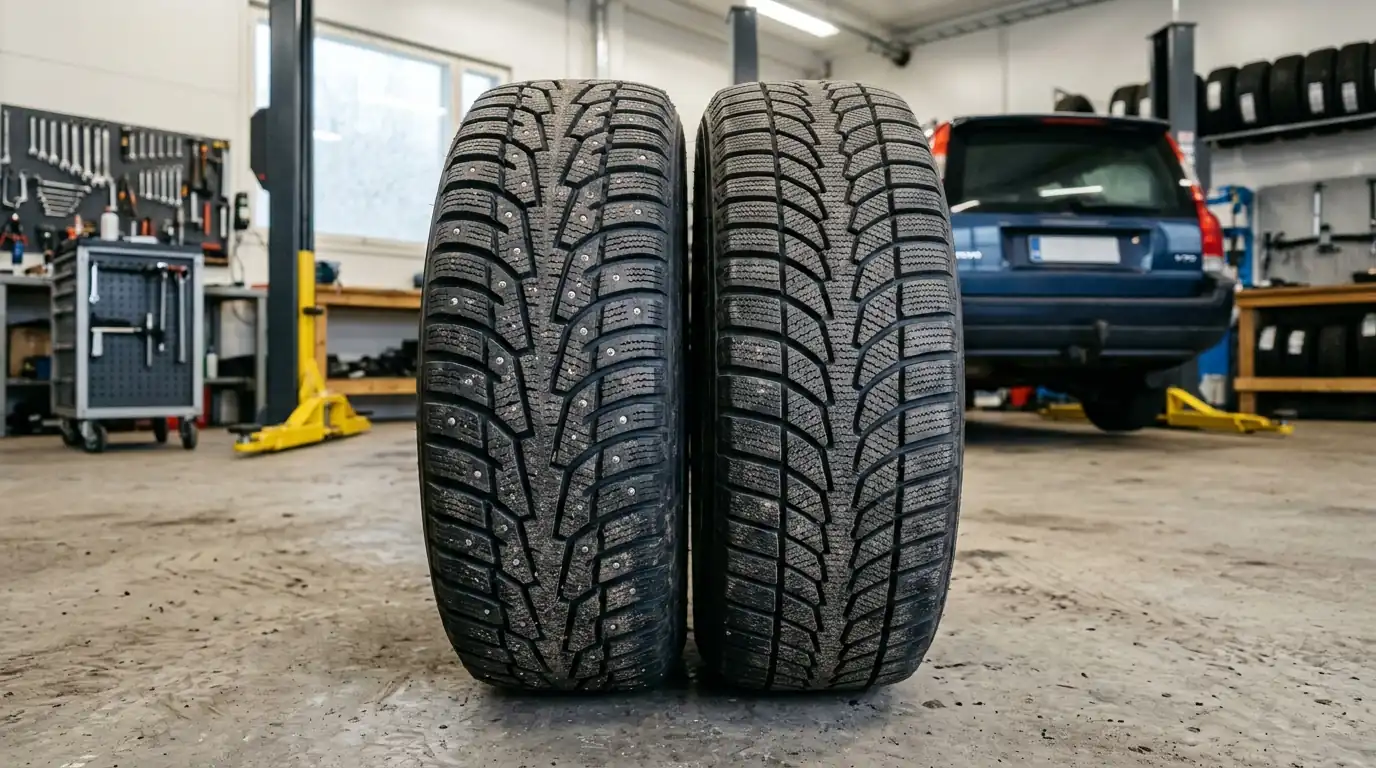
Non-studded and studded tyres both count as legal winter tyres. According to Traficom, the Finnish Transport and Communications Agency, a non-studded tyre works best on snowy roads and a studded tyre grips better on icy roads but wears the road surface and adds to street dust. In the capital region, where the streets are often clear and salted, a non-studded tyre is enough for many drivers, while anyone who drives on icy country roads benefits from studs.
10 November 2026
Summer and winter tyre tread depth: the legal limits of 1.6 and 3.0 mm
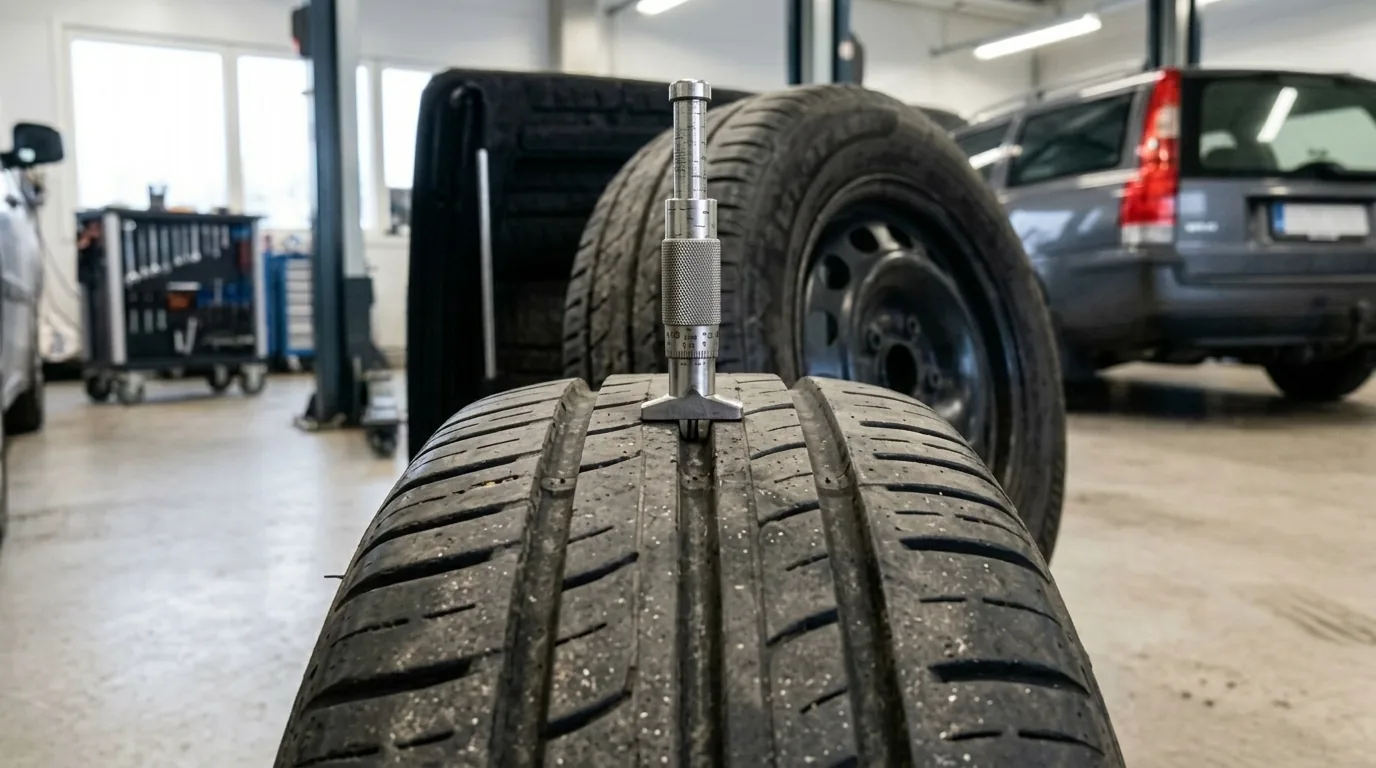
The legal minimum tread depth for a summer tyre is 1.6 mm. Winter tyres must have at least 3.0 mm from November to March, when the weather or road conditions require them. Grip weakens even before either limit is reached.
10 November 2026
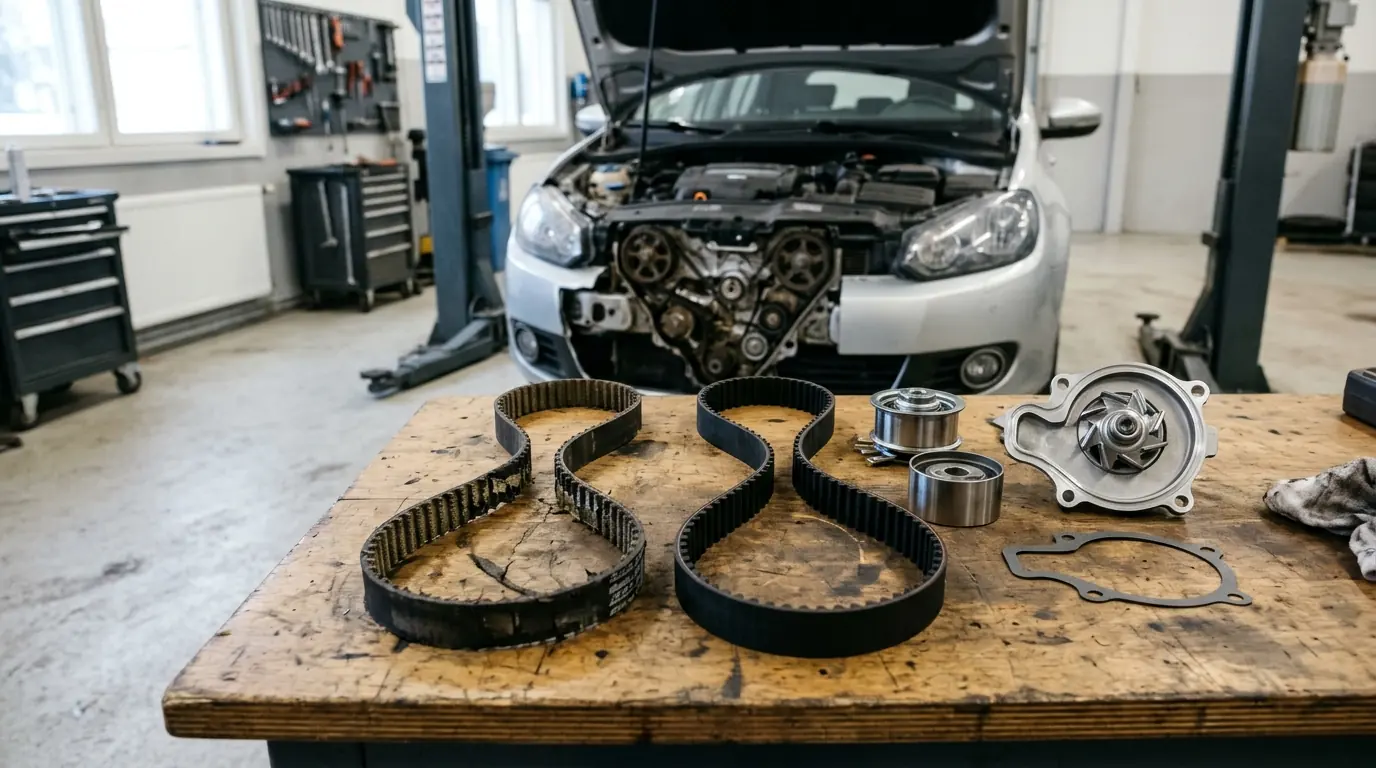
Timing belt replacement interval: when to replace the timing belt and what happens if it breaks
A timing belt is replaced when it reaches the mileage or age the manufacturer specifies, whichever comes first. The interval is usually 60 000–180 000 kilometres or 5–10 years, and your own car's interval is in its service schedule. A broken belt can wreck the engine, and the repair costs many times as much as a belt change.
10 November 2026
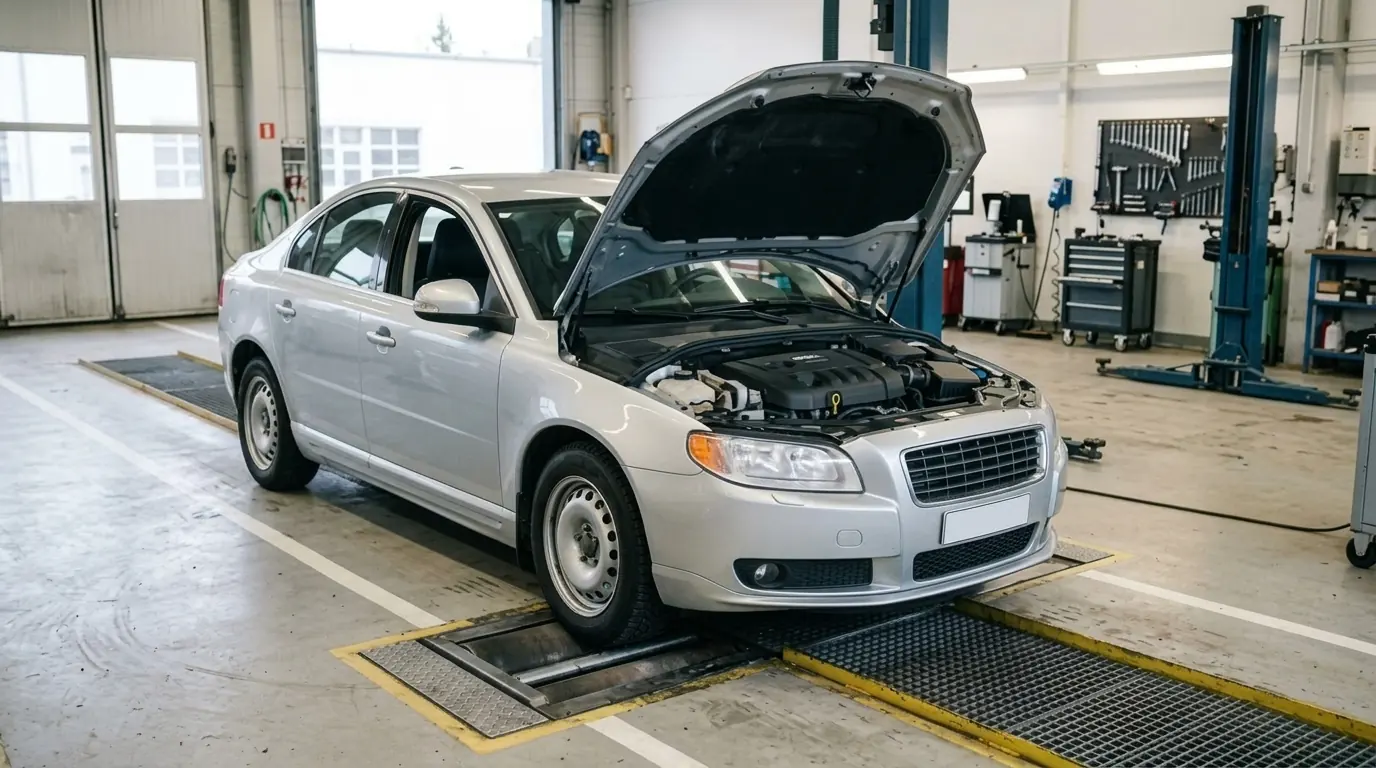
Toyota at inspection in 2025: model figures and the most common faults
Toyota was the most inspected car make in 2025: Toyotas first registered between 2005 and 2021 were inspected 212 612 times. They had 35.2 rejection faults per hundred inspections, against 46.8 for all makes. The differences between models are large: the figure was 23.7 for the Auris and 56.2 for the Corolla Verso.
10 November 2026
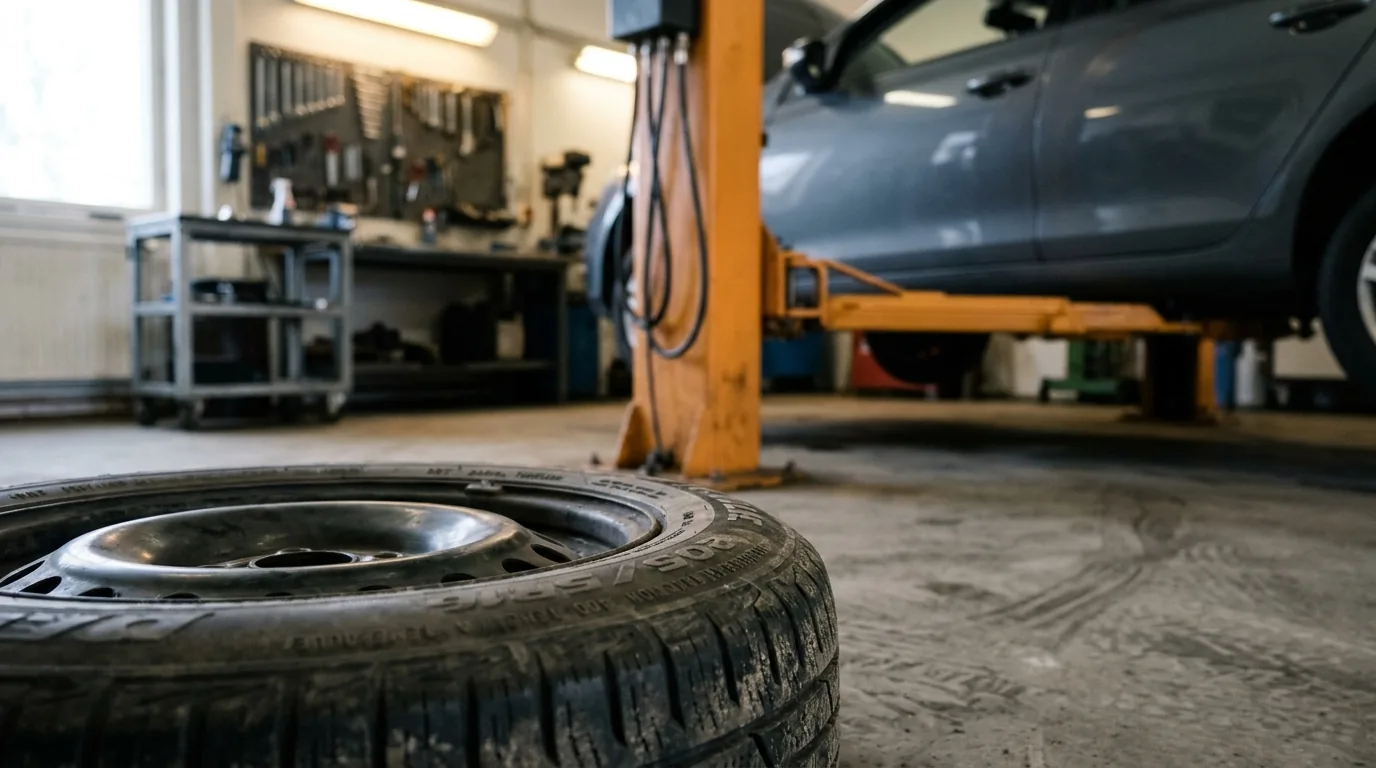
Tyre markings: size, load capacity, speed rating and year of manufacture
A tyre's sidewall shows its size, load index, speed rating, winter markings and week of manufacture. Here is how to read them, with tables to help, and how to check whether the tyres are right for your car.
10 November 2026
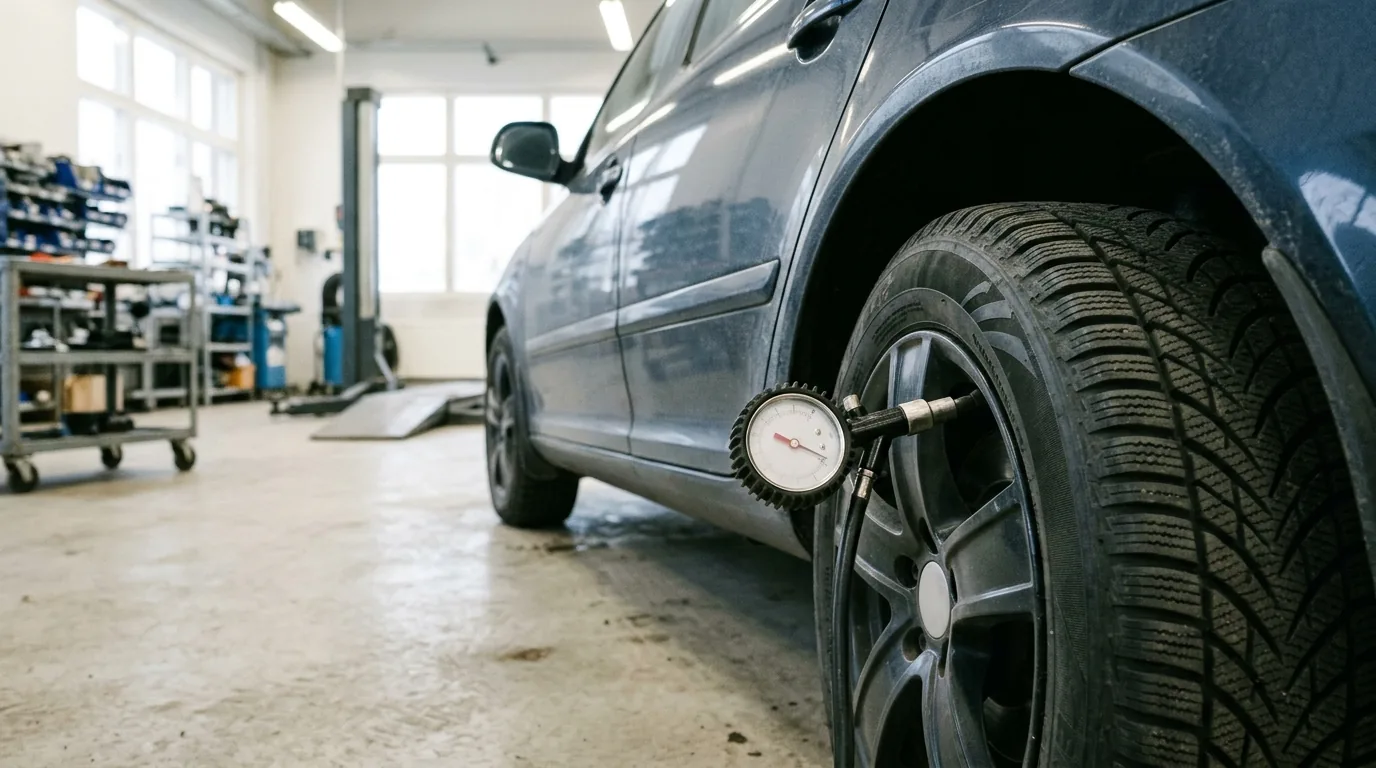
Tyre pressures in winter: the right pressure and why the warning light comes on in freezing weather
The right pressure for winter tyres is the one the car's manufacturer specifies, usually found on the driver's door pillar, on the fuel filler flap or in the owner's manual, not on the side of the tyre. Pressure is measured with the tyres cold. Freezing temperatures lower the pressure, so tyres pumped up indoors in the warm are under-inflated once the car is outside, which is why, on the first frosty morning, the tyre pressure warning light often comes on.
10 November 2026
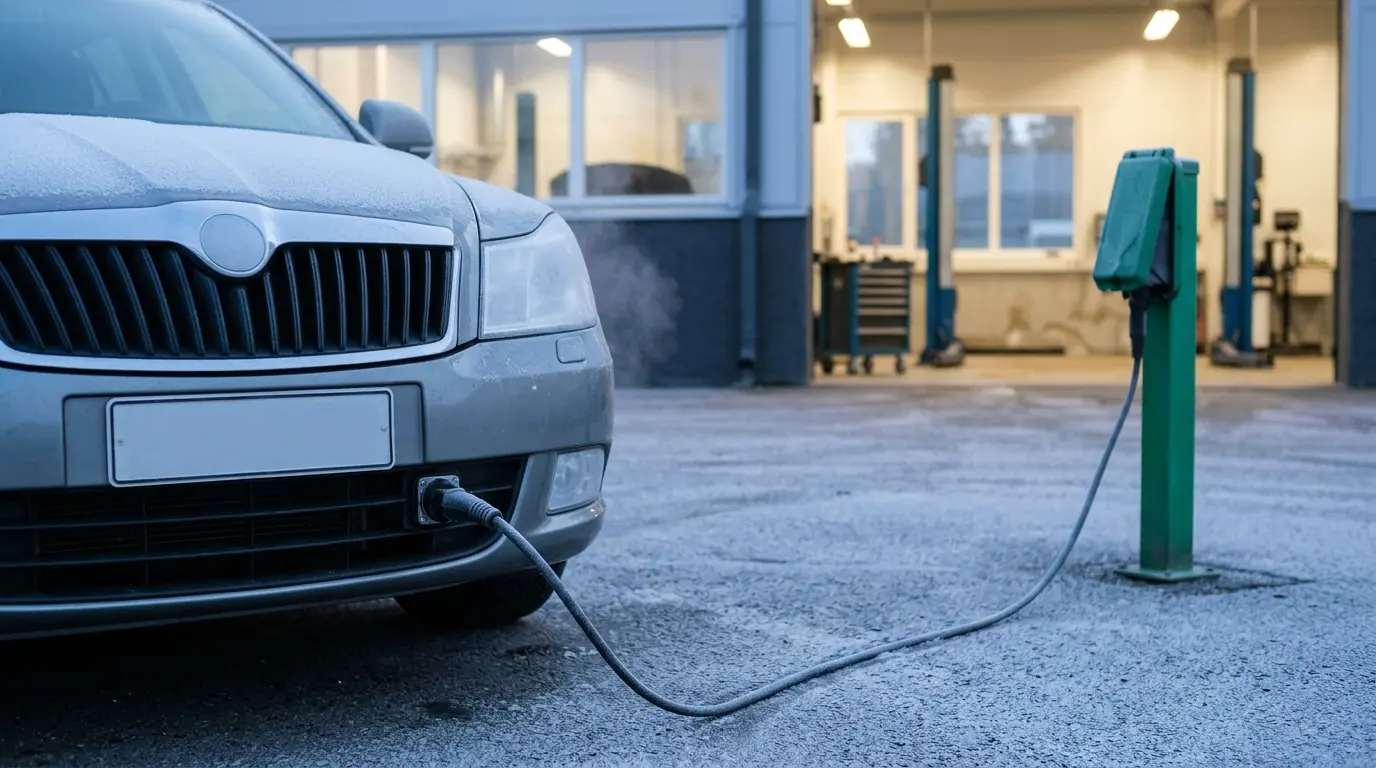
Using a block heater and car preheating times in freezing weather
How long should you preheat a car in freezing weather? According to Motiva, half an hour of heating is enough in cool weather, and even in hard frost it is not worth heating for more than two hours. Heating for longer is wasted and only uses electricity. Put the block heater on a timer that starts the heating at the right time before you leave, and keep the cabin heater on for a short time only.
10 November 2026
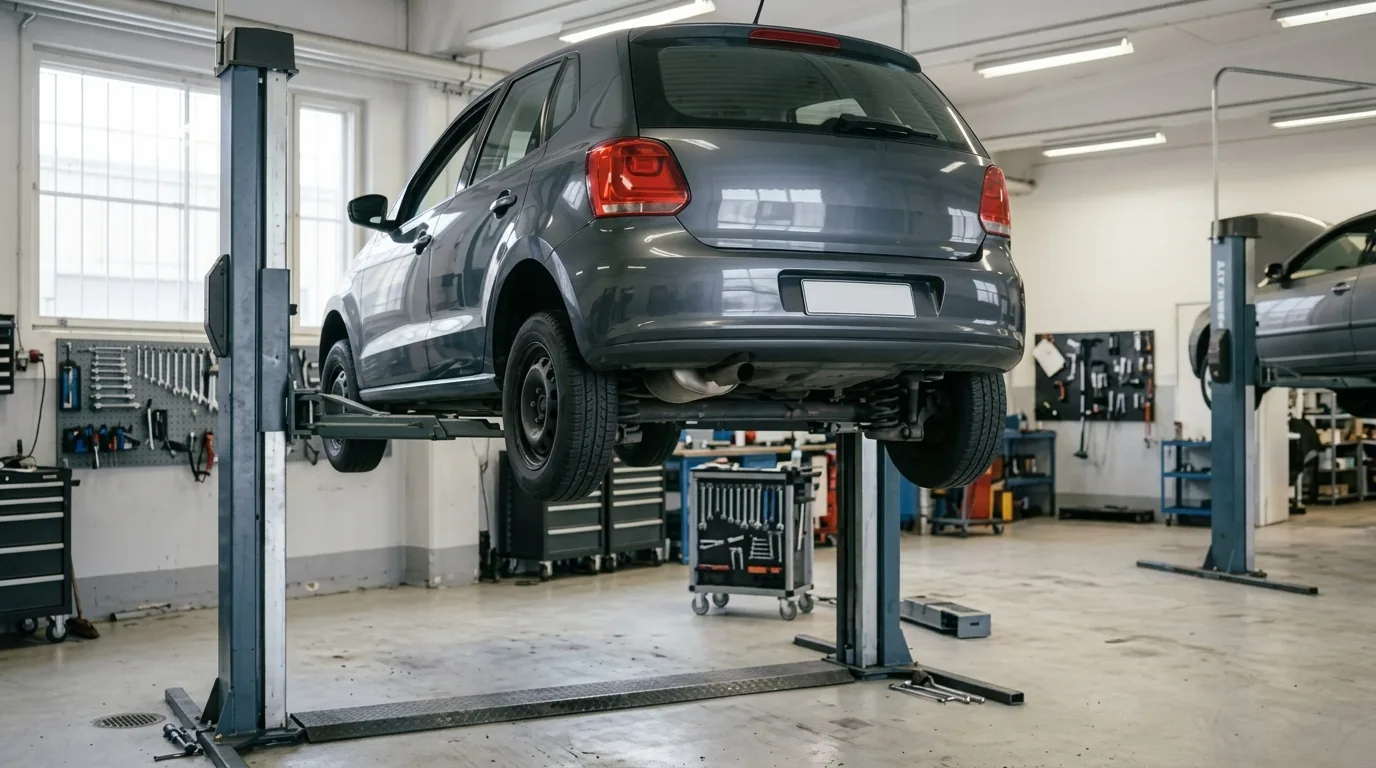
Volkswagen, Škoda, Audi and Seat at inspection in 2025: models and most common faults
In 2025, a total of 182 456 Volkswagens first registered between 2005 and 2021 went through the periodic inspection (katsastus), and 44.8 rejection faults were recorded per hundred inspections, slightly below the 46.8 for all makes. The differences between models are large: the figure was 23.4 for the Tiguan and 77.9 for the Jetta.
10 November 2026
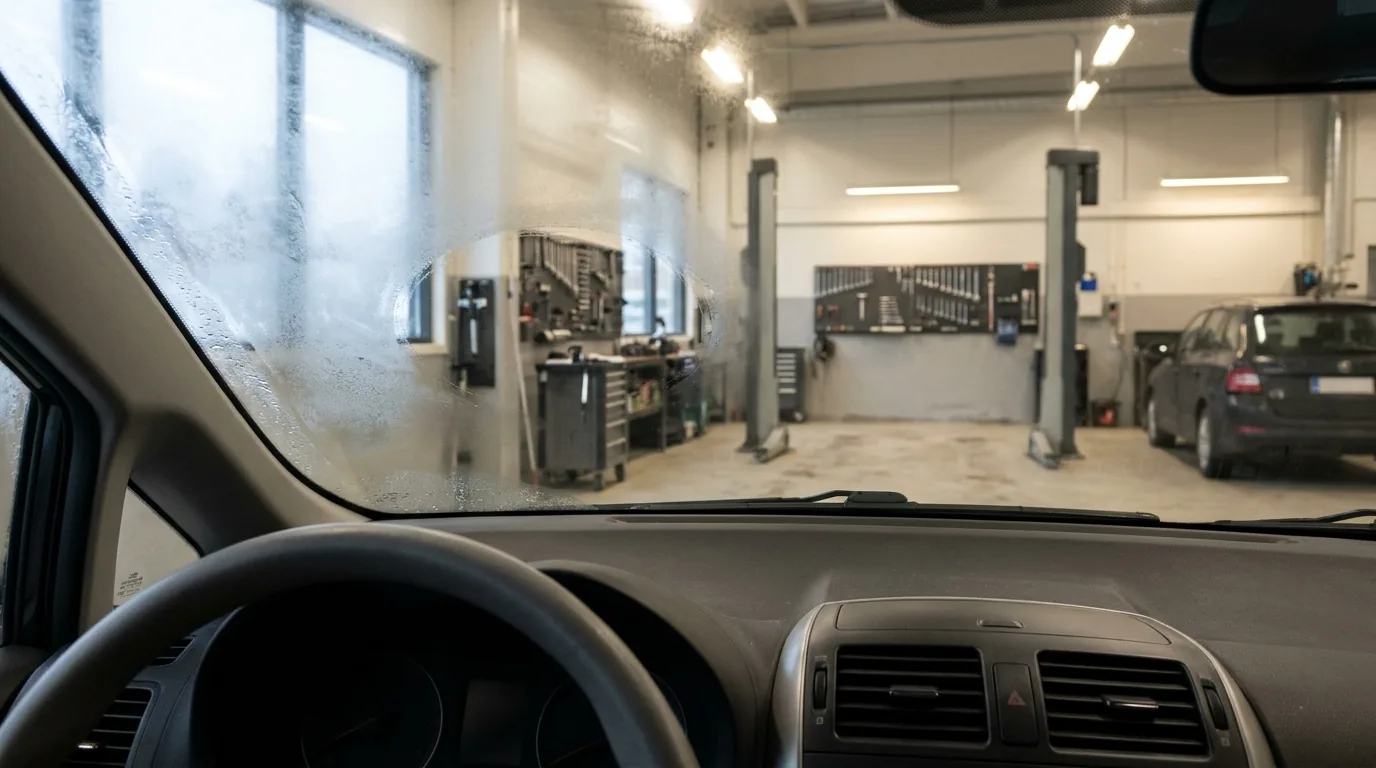
Windscreen fogging up on the inside: where the moisture comes from and what helps
A windscreen fogs up on the inside when moisture in the air inside the car condenses on the cold glass. The glass clears fastest when you turn recirculation off, switch the air conditioning on and point warm air at the windscreen with the blower on full. If the windows fog up every morning, there is too much moisture in the car, and it is worth finding where it comes from: wet mats, an old cabin filter or a leak.
10 November 2026
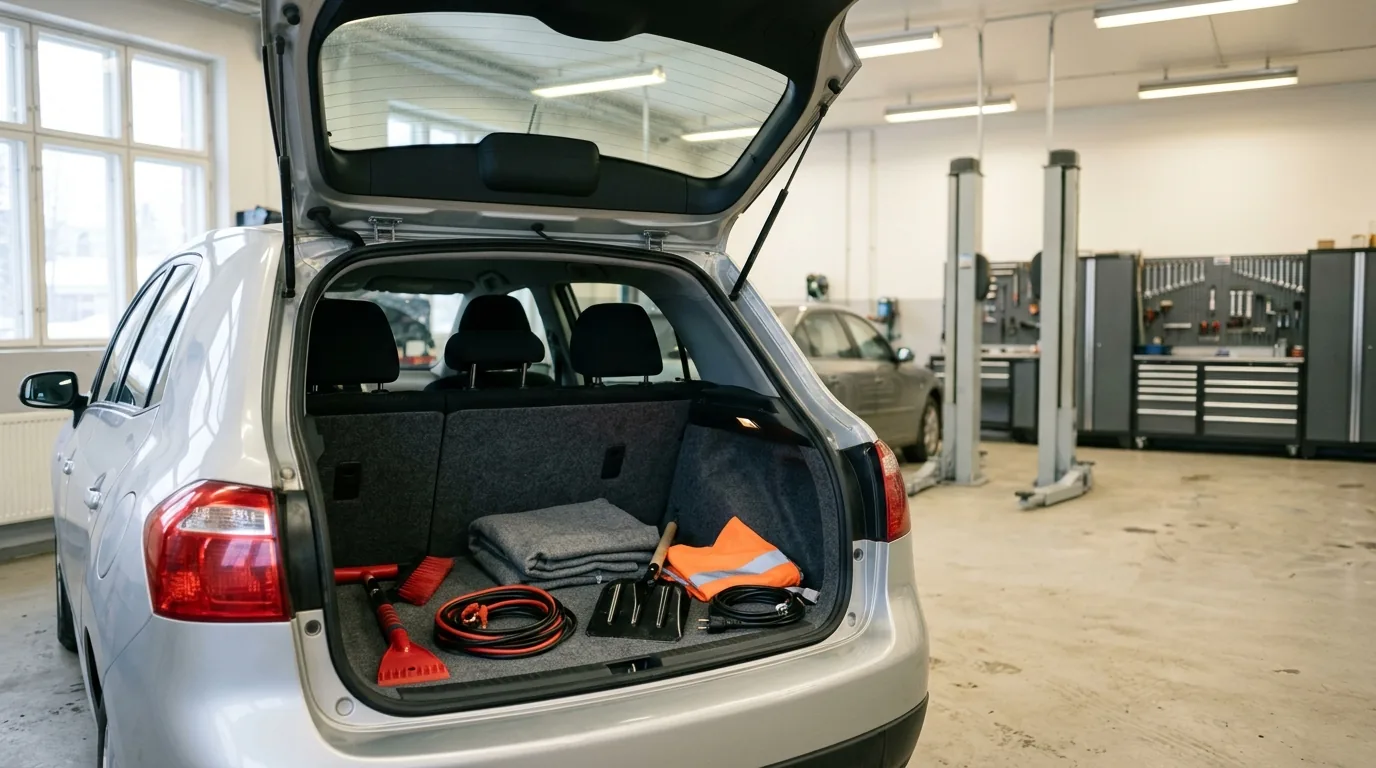
Winter car maintenance: a 12-point checklist before the frosts
Winter car maintenance covers winter tyres at the right pressures, a battery health test, frost-proof washer fluid, wiper blades in good condition and a check of the coolant's frost protection. It is also worth going over the block heater, the lights, the cabin filter, the door seals and the car's winter kit. You can see to many of the items yourself, and some of the small jobs can be added to your tyre change booking and done at the same visit.
10 November 2026
Winter tyre requirement: when winter tyres must go on and when studded tyres are allowed
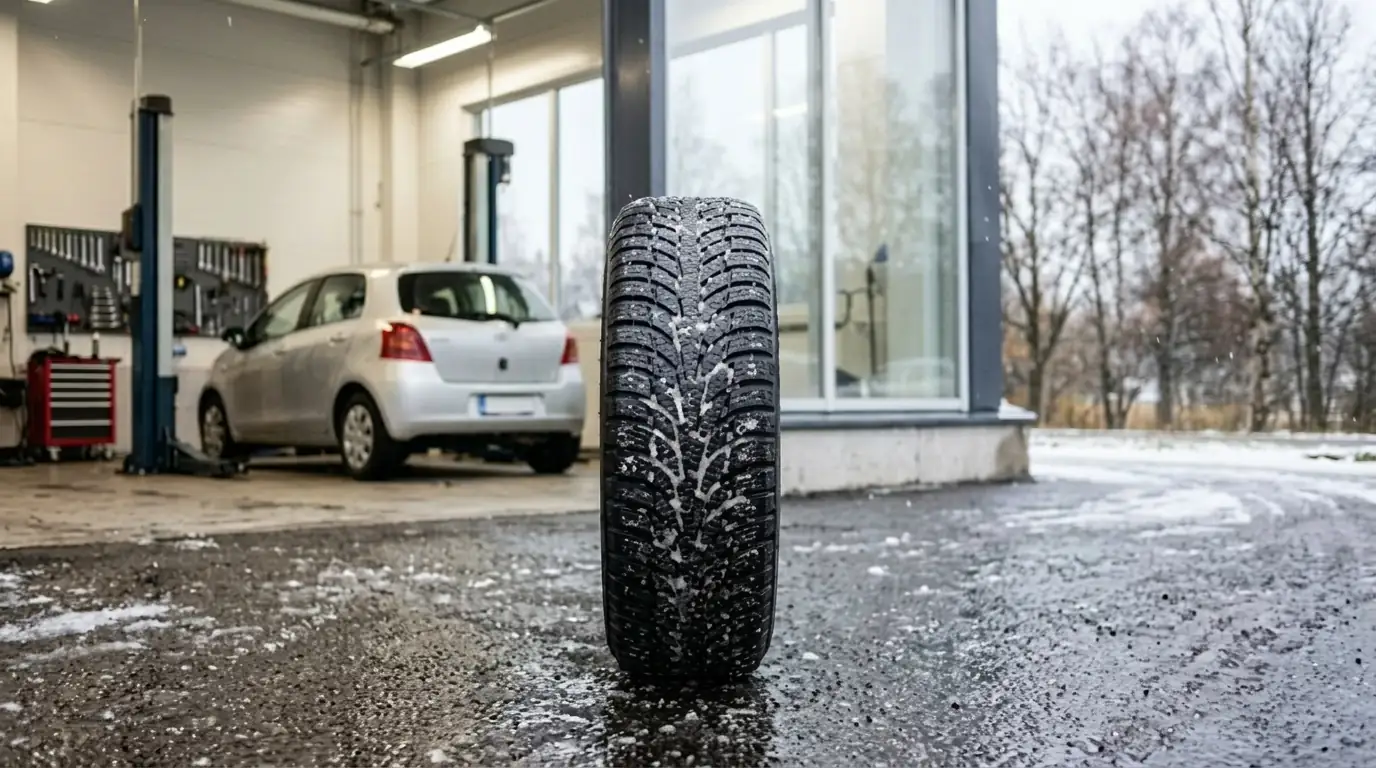
In Finland there is no fixed date on which you have to change to winter tyres. Under section 105 of the Road Traffic Act (tieliikennelaki), winter tyres must be used from November to March if the weather or road conditions require them, and their main grooves must be at least 3.0 mm deep. Studded tyres may be used from the beginning of November to the end of March, and at other times too if the weather or road conditions require them.