Published
Winter tyres are only the start. Frost also puts the battery, the fluids, the wipers, the lights and the doors to the test. The advice in the list comes from Traficom (the Finnish Transport and Communications Agency), Liikenneturva (the Finnish Road Safety Council), Autoliitto (the Automobile and Touring Club of Finland), Motiva and Tukes (the Finnish Safety and Chemicals Agency), and from car and parts makers. After the list, a table shows how often to check each item and who does it.
Checklist before the frosts
Go through these items before the night frosts get harder:
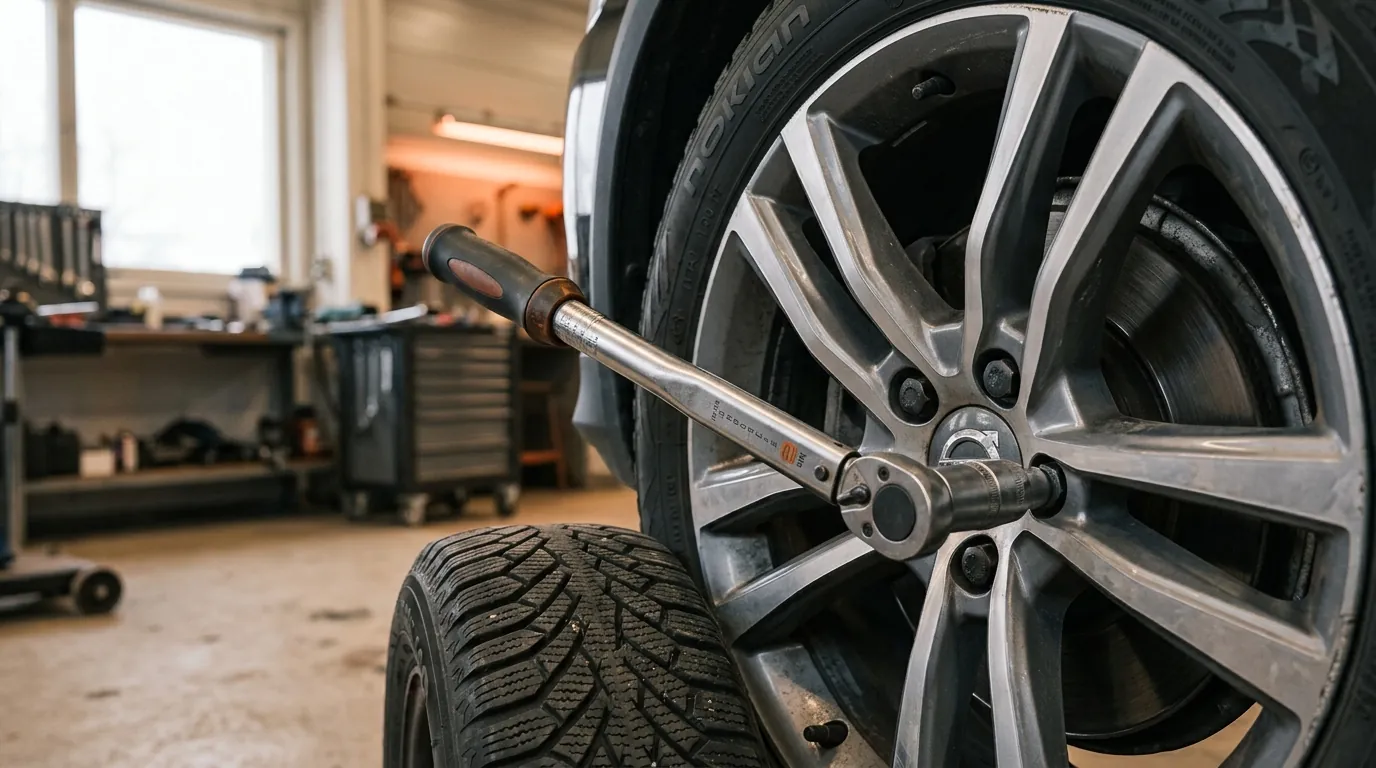
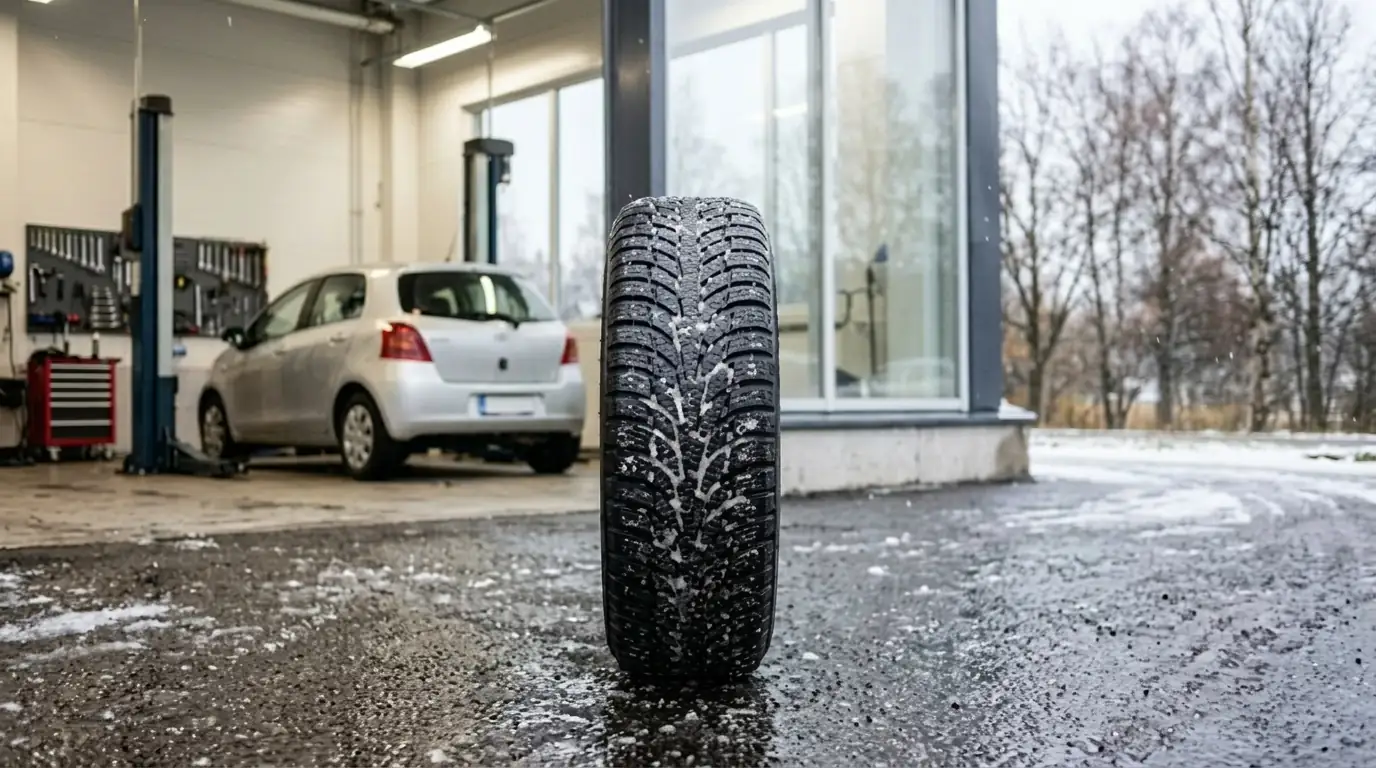
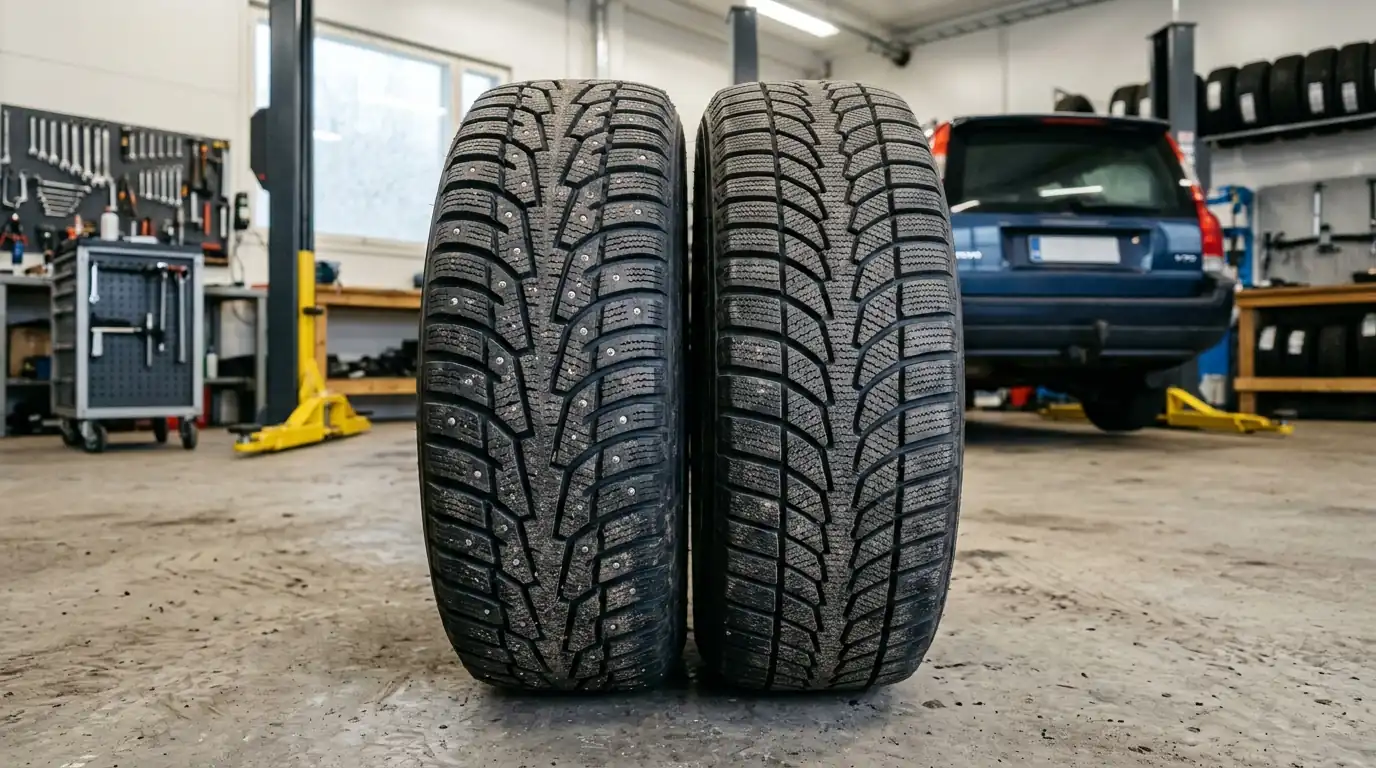
- Winter tyres. Winter tyres must be used from 1 November to 31 March if the weather or road conditions require it. Studded tyres may be used during the same period, and at other times too when the road conditions call for it. The main grooves of a winter tyre must be at least 3.0 mm deep, but for snow and slush Traficom recommends at least 5 mm. A non-studded winter tyre must carry the snow-grip marking. The article on the winter tyre requirement sets out the rules, and the article on studded or non-studded tyres covers how to choose the type of tyre.
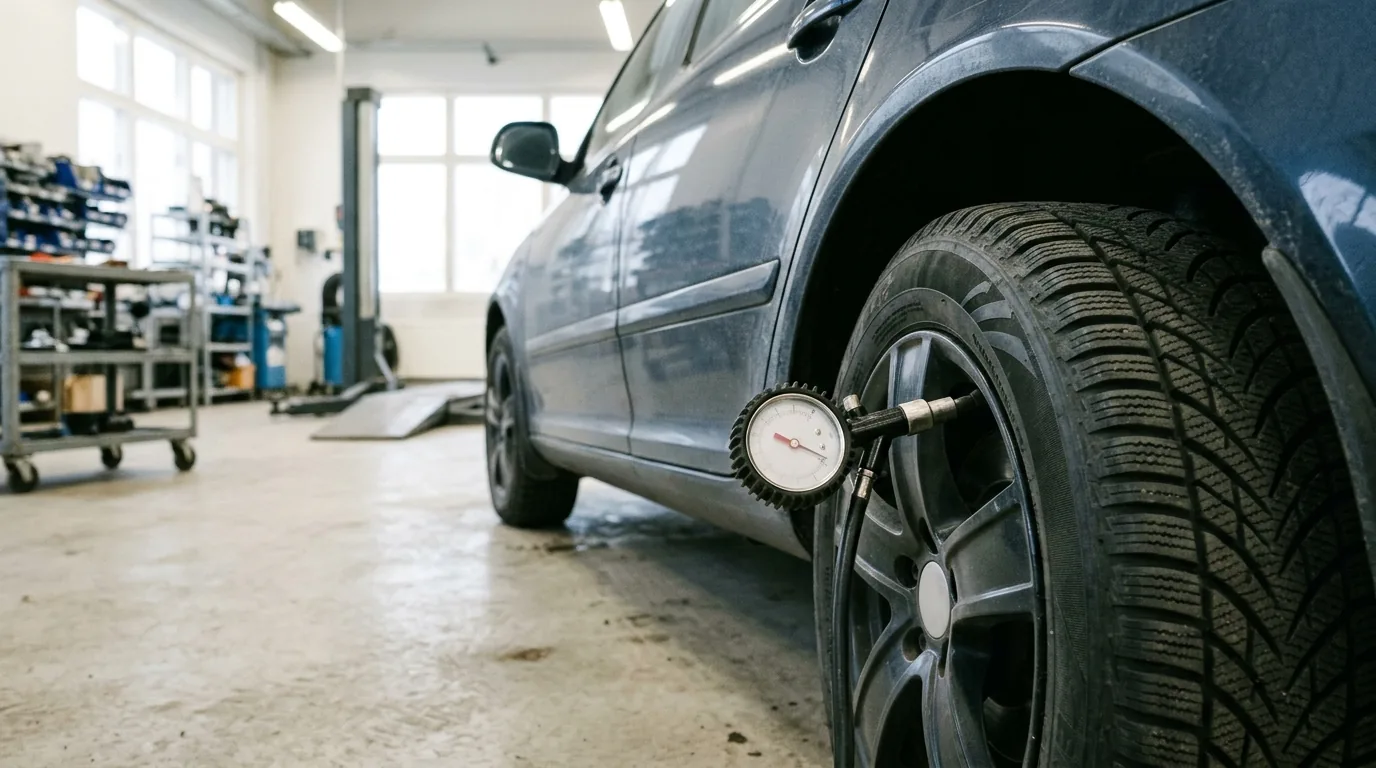
- Tyre pressures. Traficom recommends checking the tyre pressures at least once a month. The tyre maker Continental says that a 10-degree change in the outdoor temperature changes the tyre pressure by about 0.1 bar. So a pressure set in the warm is too low on a frosty morning, and the tyre pressure warning light may come on. Measure the pressures with the tyres cold, and inflate them to the figures the car's manufacturer gives. Check the spare wheel at the same time, if the car has one. There is more detail in the article on tyre pressures in winter.
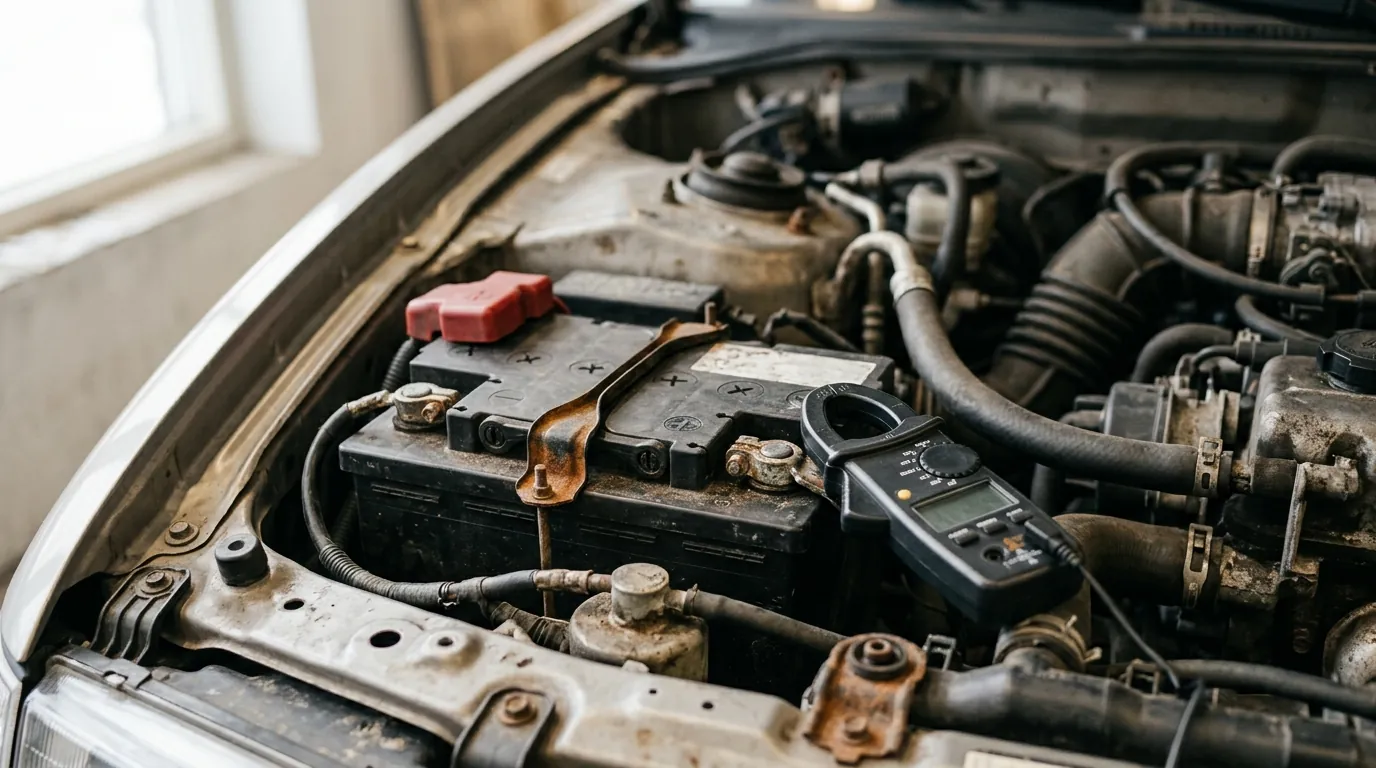
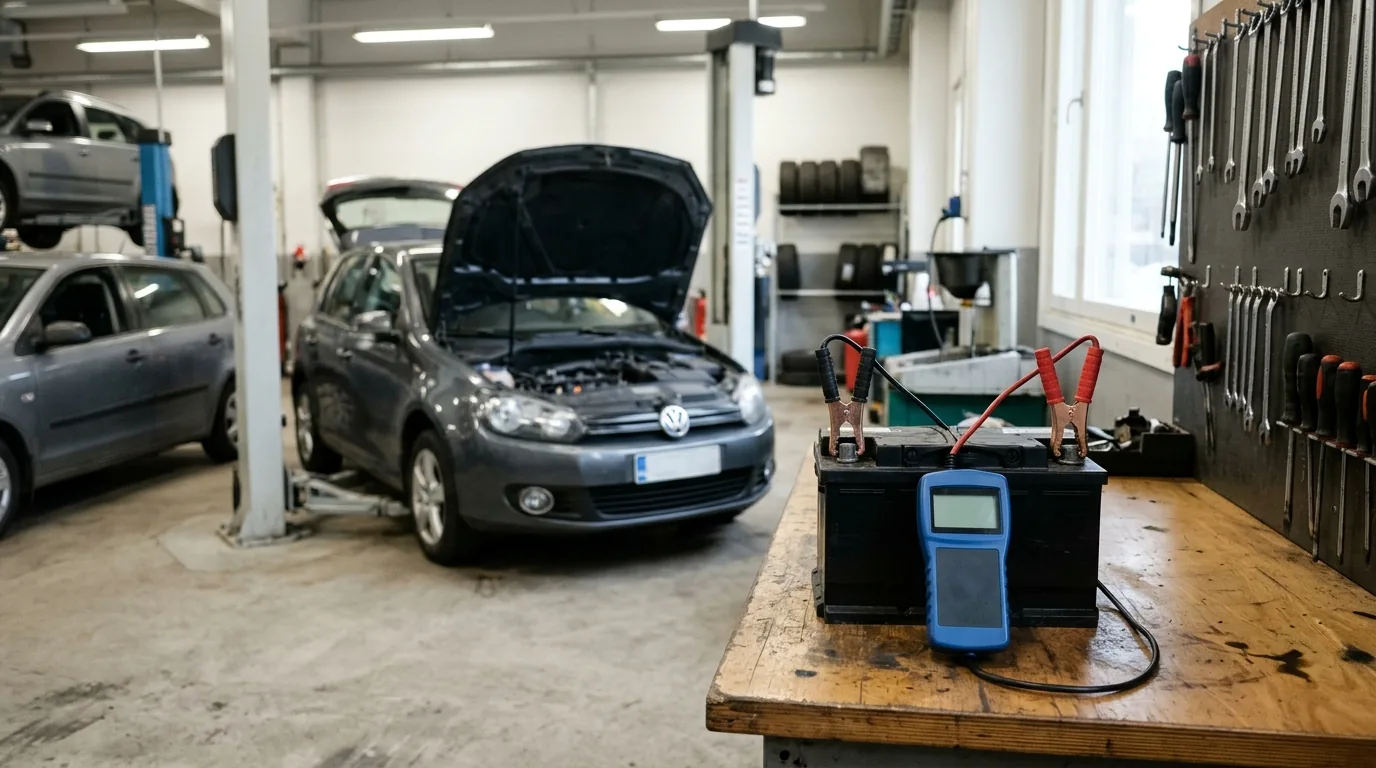
- Battery condition. The battery maker Varta advises having the battery tested at a workshop at least once a year, before winter. Another battery maker, GS Yuasa, says that a weak battery can start the car without any trouble in summer. In freezing weather, starting takes more current, and that is when a weak battery can fail. According to Varta, a voltmeter alone is not enough to judge the battery's condition. Autoliitto receives more than 50 000 requests for roadside assistance every year, and almost one in five of them is to do with the battery. Autoliitto puts a battery's typical life at about five years. The article when a battery must be replaced lists the signs that a battery is due for replacement.
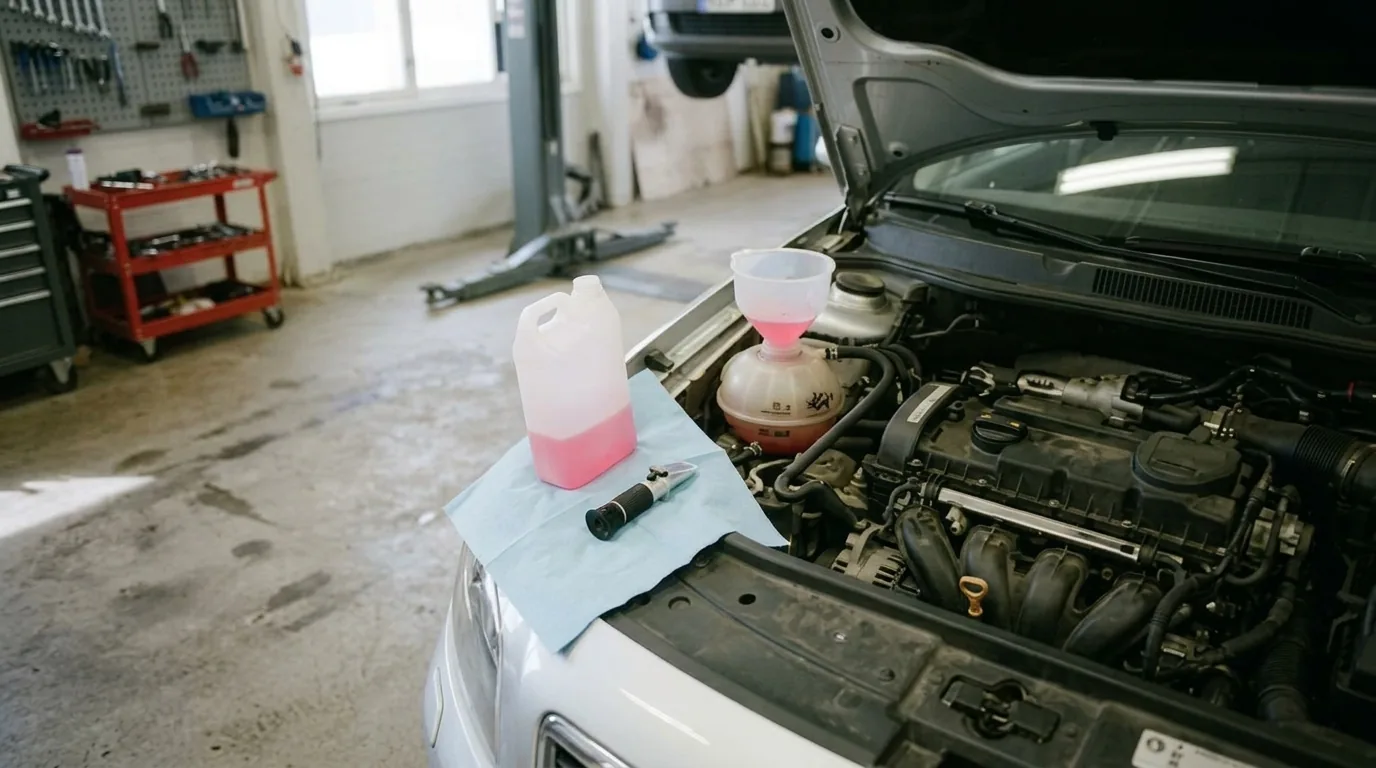
- Winter washer fluid. Liikenneturva's advice is to change to a frost-proof washer fluid well before the frosts. Washer fluid left over from the summer should not be used any more. Polestar's owner's manual, for example, advises using antifreeze when it is below freezing, so that the fluid does not freeze in the pump, the reservoir or the hoses. Water or too weak a mix can break the whole reservoir when it freezes. If no fluid reaches the glass from the washer, the car gets a repair notice (korjauskehotus) at the inspection (katsastus). The container of a ready-mixed winter fluid shows the temperature it protects down to, for example −18 or −20 °C. Do not pour engine coolant into the reservoir. Kia warns in its owner's manual that it can damage the paintwork.
- Wiper blades. Bosch recommends changing the blades before and after winter, and at least once a year in any case. A blade must be changed when it leaves streaks on the glass or judders, if not before. At the inspection, poor blades earn a repair notice. Ice can build up in the metal frame and joints of a conventional blade, and Bosch says it designed its frameless blade to prevent exactly that. Overnight you can lift the blades off the glass, or put plastic or cardboard under them. If the wipers sit under the edge of the bonnet, lift them only in the service position, which the owner's manual explains. Audi warns in its handbook that otherwise the wiper motor or the paint on the bonnet may be damaged.
- Coolant. Kia's owner's manual tells you to have the coolant tested before winter, so that its freezing point is low enough for the winter frosts. The frost protection depends on how much antifreeze the mixture contains. According to Mobil's product data sheet, a mixture that is half antifreeze withstands −36 °C. With a third antifreeze, the limit is only −18 °C. If water was added to the system in the summer, the frost protection may have dropped. Coolant expands as it freezes and can crack the radiator or the engine. Top up only with the coolant the car's manufacturer requires, because some types of coolant form sludge when mixed. The coolant's frost protection is measured with a refractometer or a hydrometer. The measurement takes only a moment, and it is included in a coolant change.
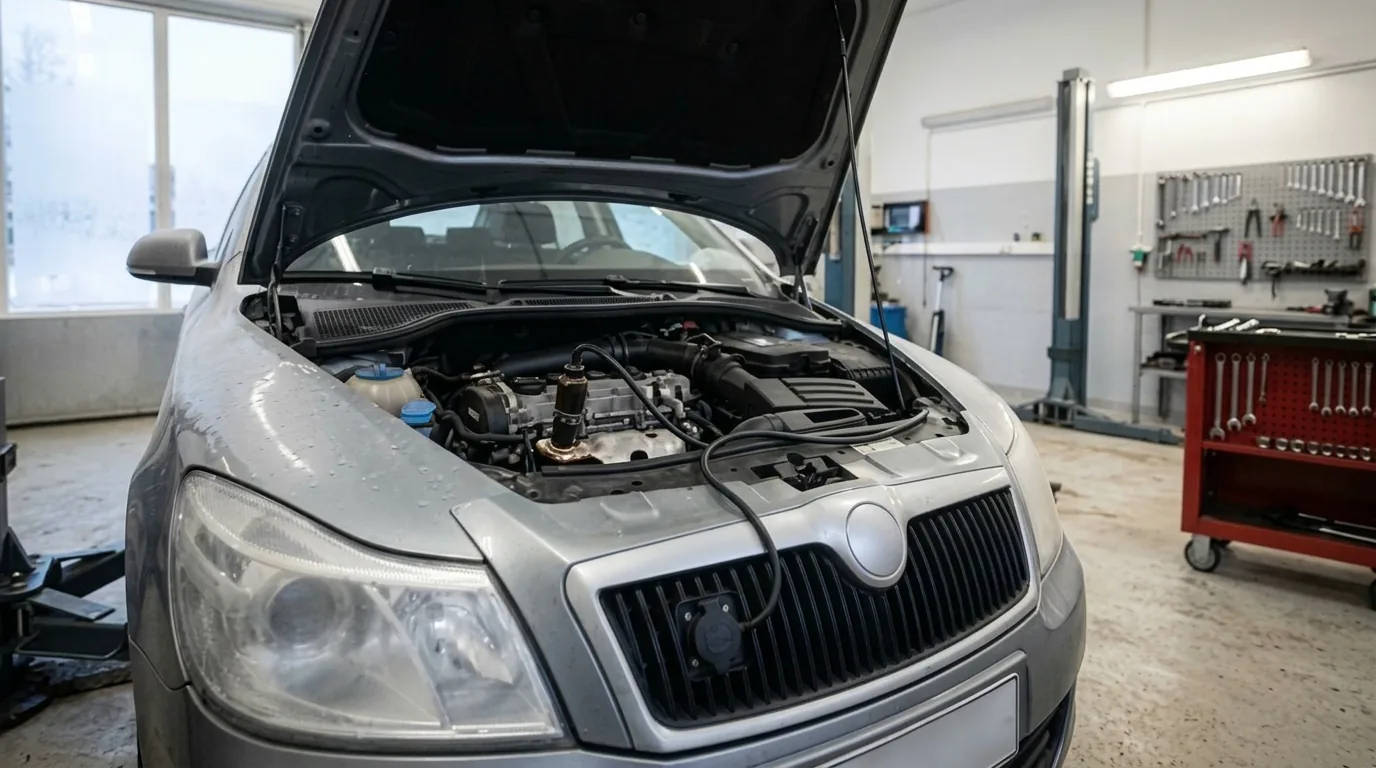
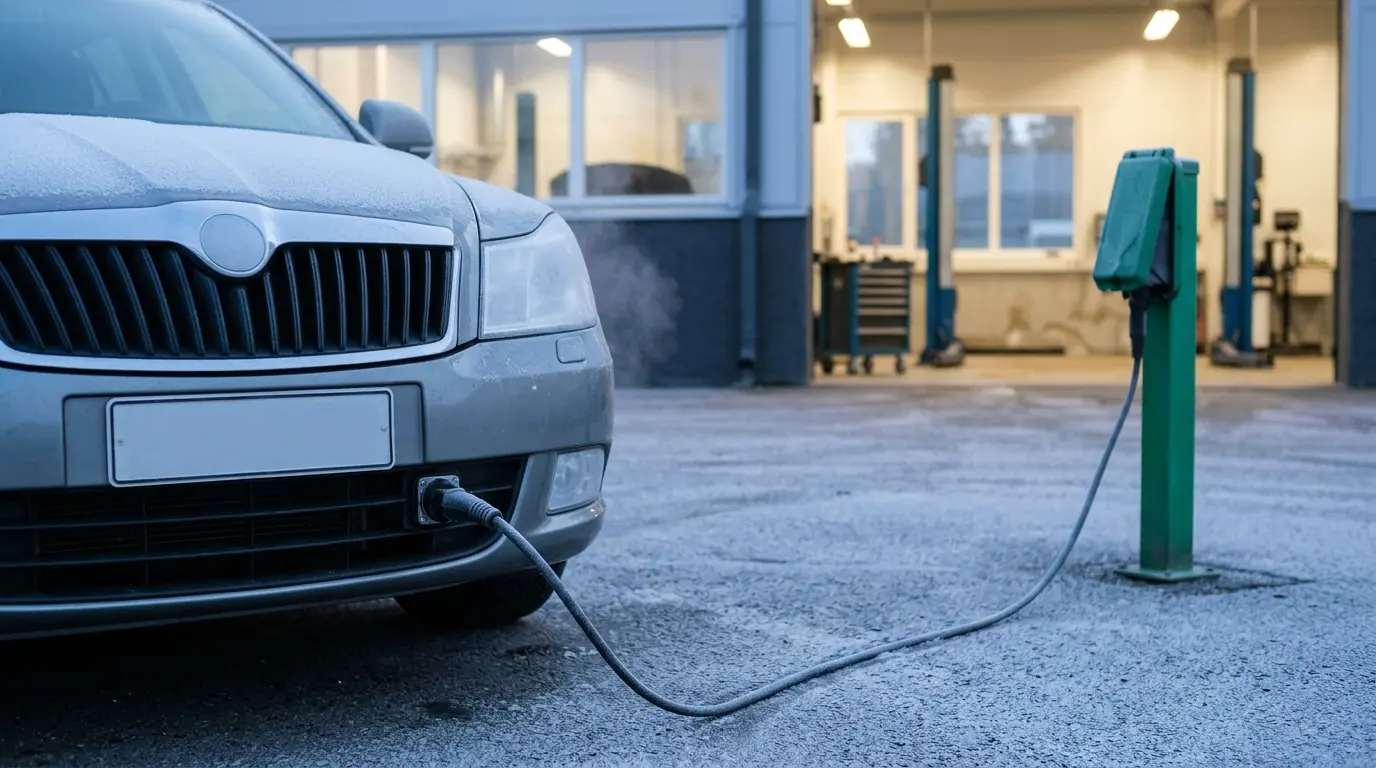
- Block heater and timer. Motiva advises that half an hour of preheating is enough in cool weather, and two hours at most even in a hard frost. Preheating reduces engine wear and keeps the windows clear of frost. With a timer, the heating starts at the right time before you leave and does not stay on needlessly. Check the heating cord as well. Tukes points out that plastic insulation stiffened by frost can crack when it is bent. Always unplug the cord from the socket after use. The article on using a block heater gives heating times for different degrees of frost. If the car has no heater, see block heater installation.
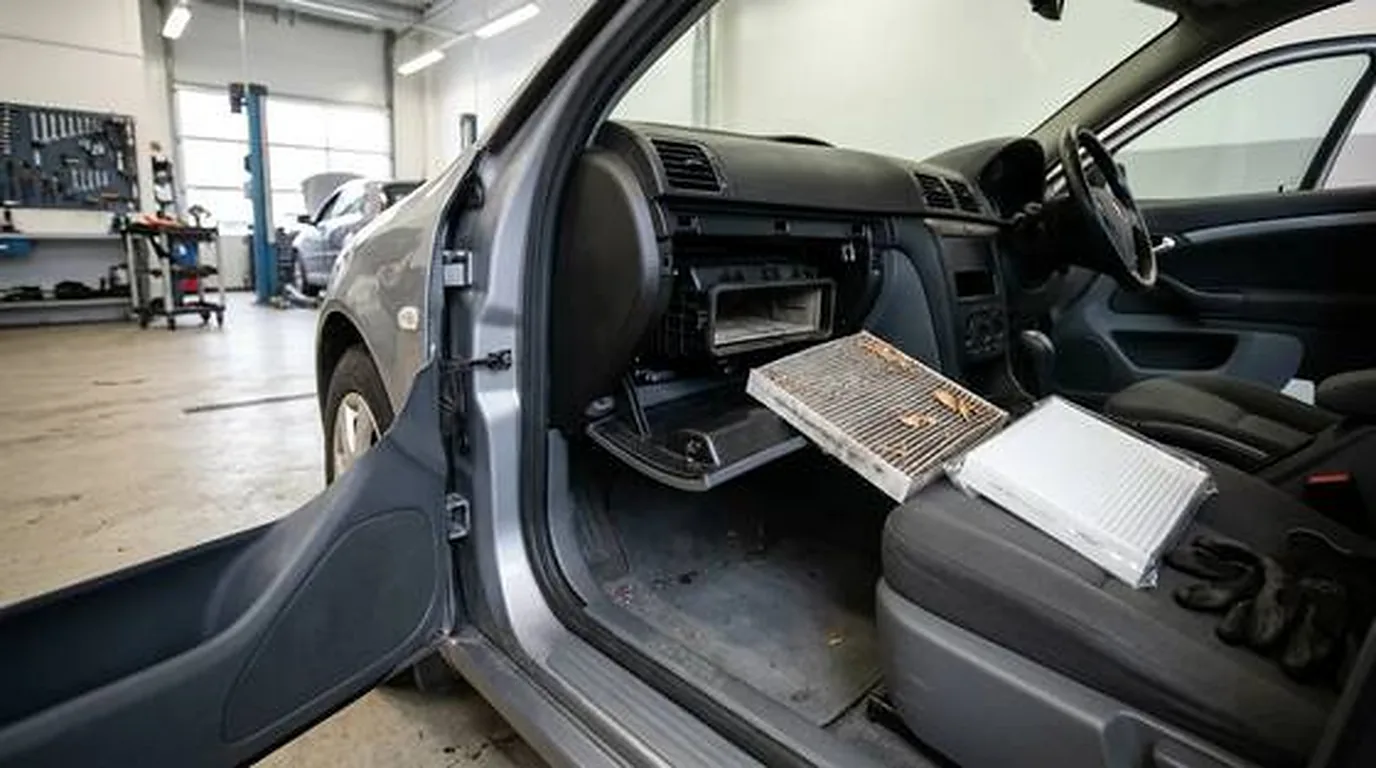
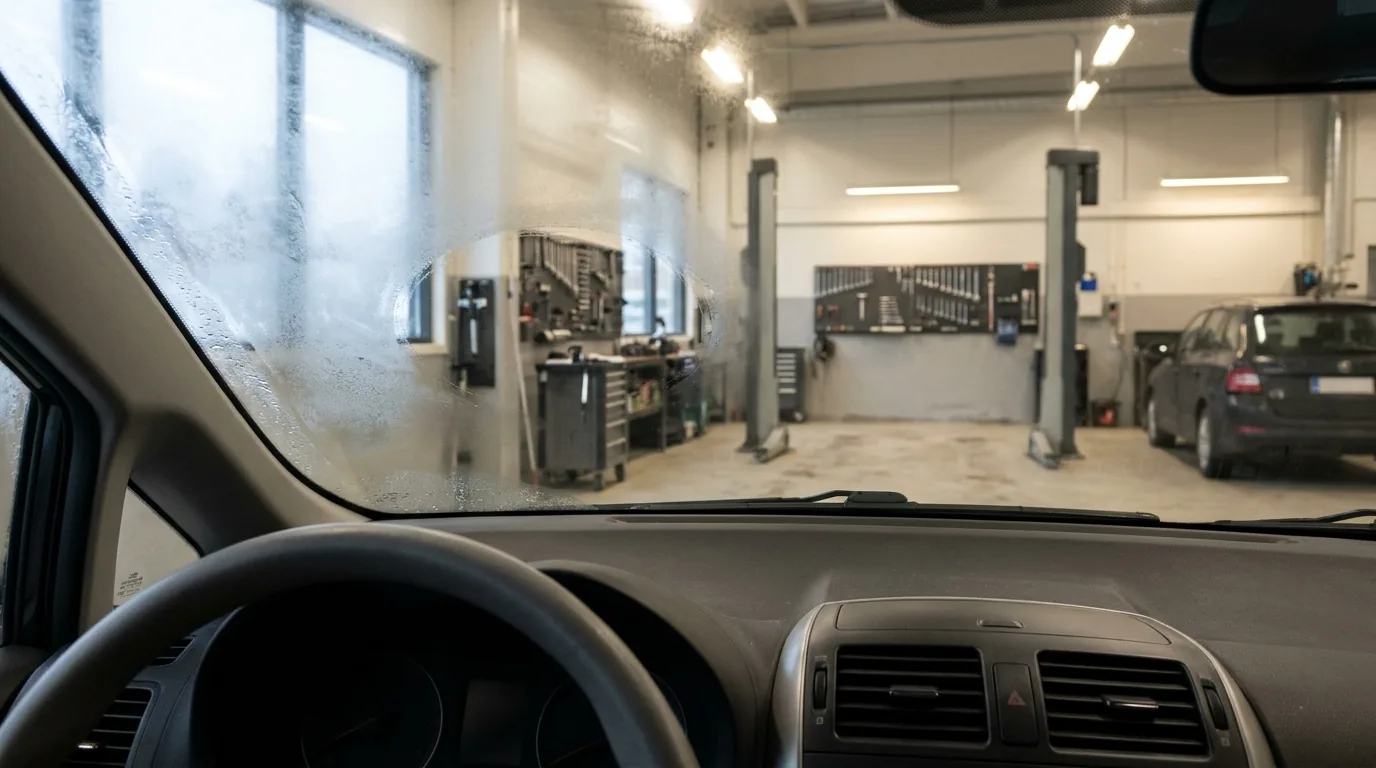
- Cabin filter and moisture. A clogged filter reduces the airflow and so weakens the demisting. A good time to change it is in the autumn, before the windows start to fog up. When the glass fogs up, turn recirculation off and the air conditioning on. Also keep the fresh-air intake under the windscreen clear of leaves and snow. The article windscreen fogging up on the inside explains where the moisture in the car comes from.
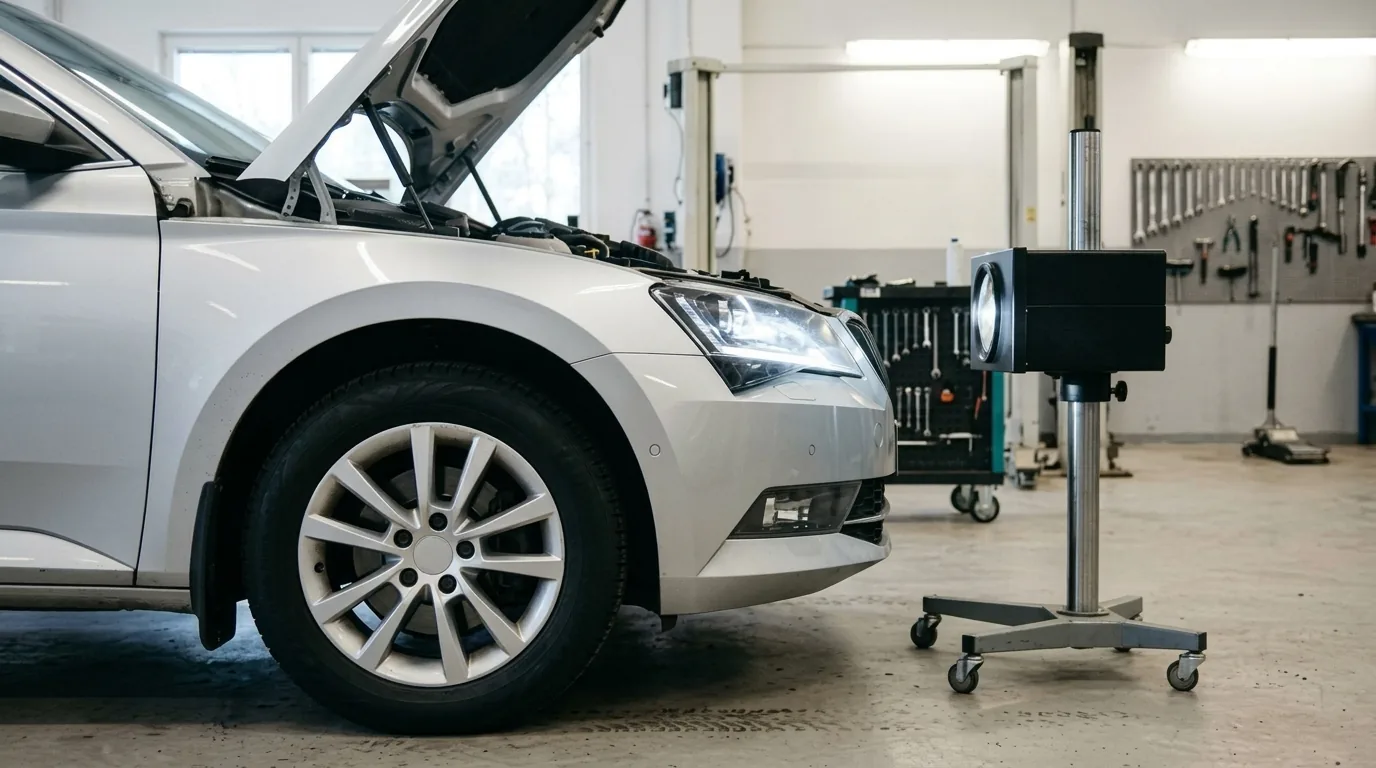
- Lights and bulbs. Liikenneturva points out that broken or dirty headlights reduce visibility and safety. Replace a blown bulb at once, and keep the front and rear lights clean. Check the indicators, brake lights and reversing lights too. At the inspection, the aim of the dipped beams is measured with a beam setter. Under Traficom's inspection criteria, wrong aim earns a repair notice, but an unapproved or unsuitable bulb fails the car. Traficom justifies the strict line by pointing out that an LED or xenon bulb fitted in a halogen headlamp unit usually distorts the beam pattern and dazzles oncoming drivers. A new headlamp unit must always be aimed. The work is described on the headlight alignment page.
- Door seals and locks. Dirt and moisture in the gaps around the doors make them freeze shut. Wipe the seals clean and dry, and apply a thin layer of rubber seal care product or silicone. Let it dry for a few minutes before you shut the door. The makers of these products say the treatment stops the seals from freezing. It is worth repeating during the winter. You can stop the locks freezing by spraying de-icer or glycerine into the keyhole.
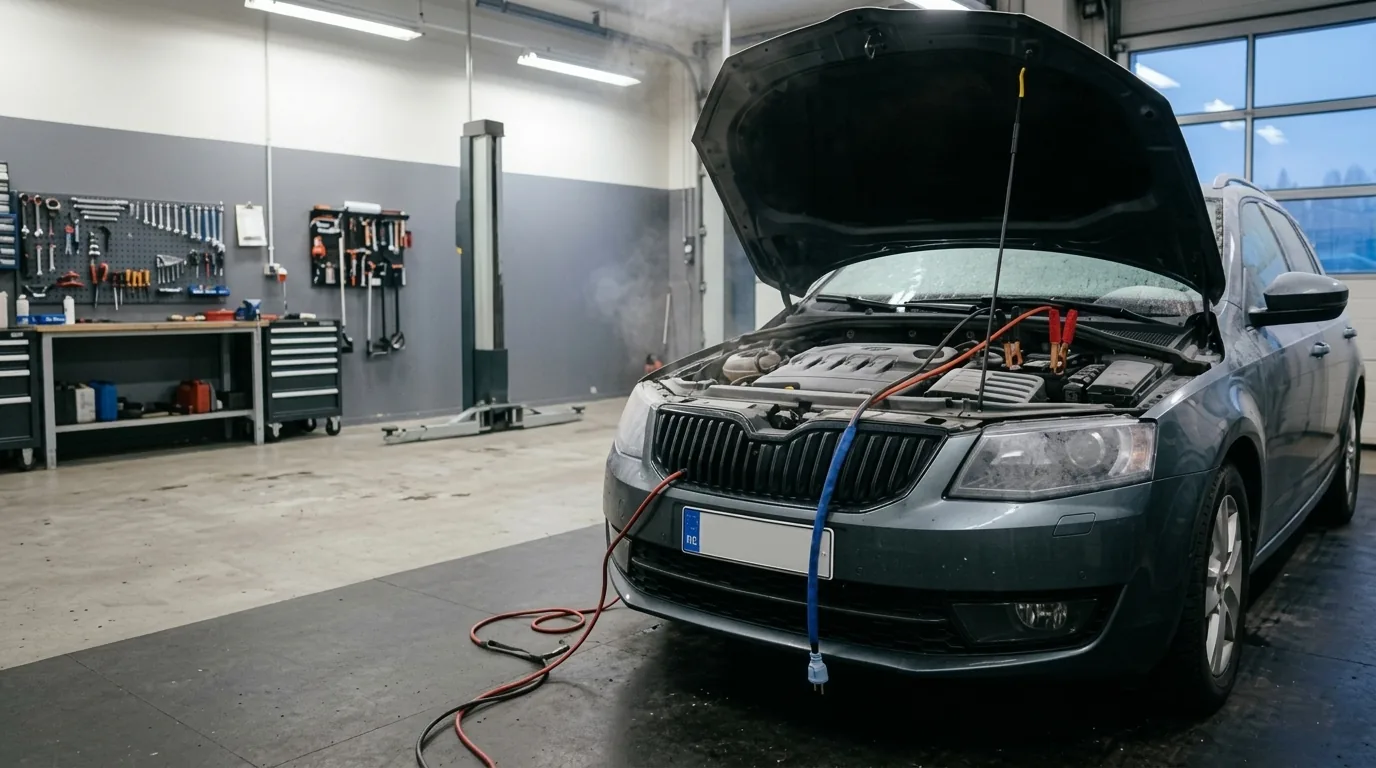
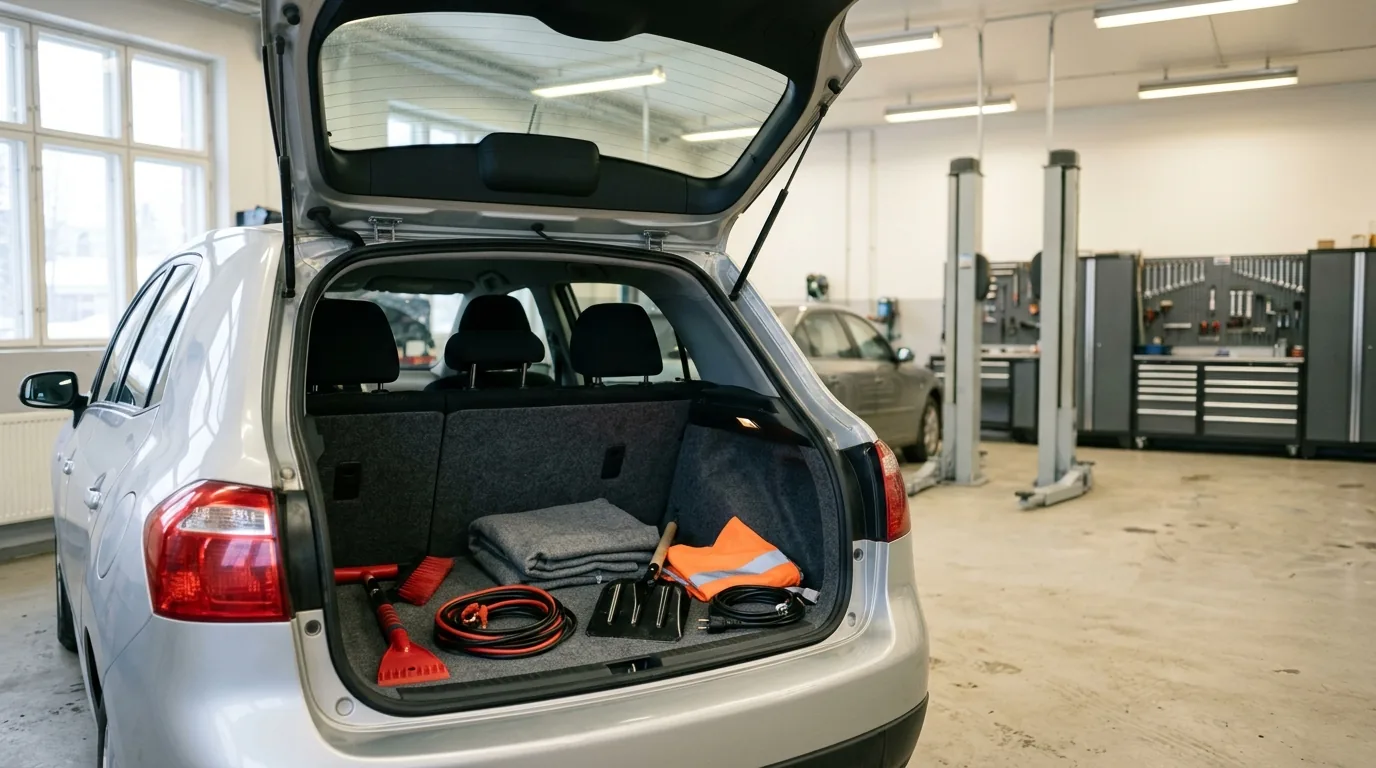
- Winter kit. According to Liikenneturva, it is worth packing at least a snow brush, an ice scraper and a folding snow shovel in the car. It is also a good idea to carry a torch, warm clothing and high-visibility vests for all passengers, and a power bank for a long journey. Check the condition of the warning triangle while you are at it. Autoliitto adds jump leads to the list, and Kia's owner's manual, for example, also mentions a blanket. Autoliitto warns that connecting the leads wrongly or using poor leads can seriously damage the car. The right order for connecting them is in the article on jump-starting a car.
- Electric cars and plug-in hybrids. Autoliitto points out that an electric car also has a 12-volt battery, and without it the car will not wake up at all, even if the drive battery is charged. According to Motiva, the range in freezing weather is about two thirds of the summer range, and only half in the hardest frosts. In winter, charge the car every night and preheat it with the charging cable plugged in, so that the drive battery's power is not used to heat the cabin.
How often, and who does it?
The table brings the list together:
| Item | How often | Yourself or a workshop |
|---|---|---|
| Winter tyres | in the autumn, before the roads turn slippery | yourself or a workshop |
| Tyre pressures | at least once a month | yourself |
| Battery condition | once a year, before winter | a workshop, also as an extra with the tyre change |
| Winter washer fluid | before the frosts, and whenever the reservoir runs low | yourself, or as an extra with the tyre change |
| Wiper blades | before and after winter, at least once a year | yourself, or as an extra with the tyre change |
| Coolant | frost protection before winter, change as the service schedule says | a workshop |
| Block heater and cord | before winter and regularly during it | yourself, faults at a workshop |
| Cabin filter | as the service schedule says, usually every year or two | yourself, or with your own filter as an extra with the tyre change |
| Lights | regularly, and aiming always after a headlamp unit is changed | yourself, aiming at a workshop |
| Seals and locks | before the frosts, and again during the winter | yourself |
| Winter kit | in the autumn | yourself |
| Charging an electric car | every night in winter | yourself |
The intervals are based on the advice above. If your car's service schedule sets a different interval, follow that.
On a frosty morning: icy windows, wipers and locks
First clear all the windows of frost, snow and ice. According to Liikenneturva, this must be done before you set off. Brush the snow off the lights too. In a preheated car, according to Motiva, the windows are already clear of frost.
The law restricts warming the car up by idling. Under section 55 of the Road Traffic Act (tieliikennelaki), the engine of a stationary car may run for two minutes at most. When there are more than 15 degrees of frost, the limit is four minutes before you set off. On top of that, the engine may run for the time it takes to get the car ready to drive.
On a frosty morning, turn the wiper switch off before you start the car. Check that the blades have not frozen to the glass, and thaw the glass before you use the wipers. Bosch's advice is clear: do not use the wipers on frozen glass.
In freezing weather, do not use the washer until you have warmed the windscreen with the demister. Otherwise the fluid can freeze on the glass and block your view. If the fluid has frozen all the way to the jets, only thawing somewhere warm will help.
Spray de-icer into an icy lock. A lock frozen on the inside can be thawed with a warmed key. The handbrake can freeze on too, if the brakes are wet or snow has built up on them. The article handbrake not holding explains how to release a frozen handbrake. If the car will not start, read car won't start in the cold.
Add the small jobs to your tyre change booking
When you book a tyre change online, you choose a free time, and the booking is confirmed at once. The tyres must already be on rims. At the booking step «At the same visit», you can add small jobs to the change. We do them while your car is in for the tyre change, so you do not need a separate visit. Jobs that suit the winter are:
- Battery health test: a test of the battery and the charging, with the result on paper. If the battery is worn out, battery replacement is a separate job.
- Wiper blades fitted: bring the new blades with you and we fit them.
- Winter washer fluid: we fill the reservoir with three litres of frost-proof washer fluid, and you keep the rest of the can.
- Windscreen cleaned inside: we clean the inside surface of the windscreen. The rest of the interior is not part of the job.
- Cabin filter replacement with your own filter: bring the new filter with you and we change it.
Each extra reserves its own time, so choose them when you book. You see the prices in the booking before you confirm it.
What does the workshop do?
At a tyre change, we measure the tread depth of every tyre and set the pressures to the manufacturer's figures. We also check the wear pattern, cracks, sidewall damage, the week of manufacture and the winter tyre's snow-grip marking. We do not offer tyre storage, so you take the tyres we remove away with you. Storage tips are in the article on storing tyres.
Book a separate time for bigger winter jobs. These are a coolant change with a frost protection measurement, block heater installation and headlight alignment. The service pages show what each job includes, and we always tell you the price before the work starts. If you are not sure about any item on the list, ask us about it when you come for the tyre change. Our workshop is at Lampputie 12 in Suutarila, Helsinki.