
Articles
Faults and symptoms
What a noise, a vibration or a warning light can mean, when to stop driving and how the fault is found.
10 November 2026
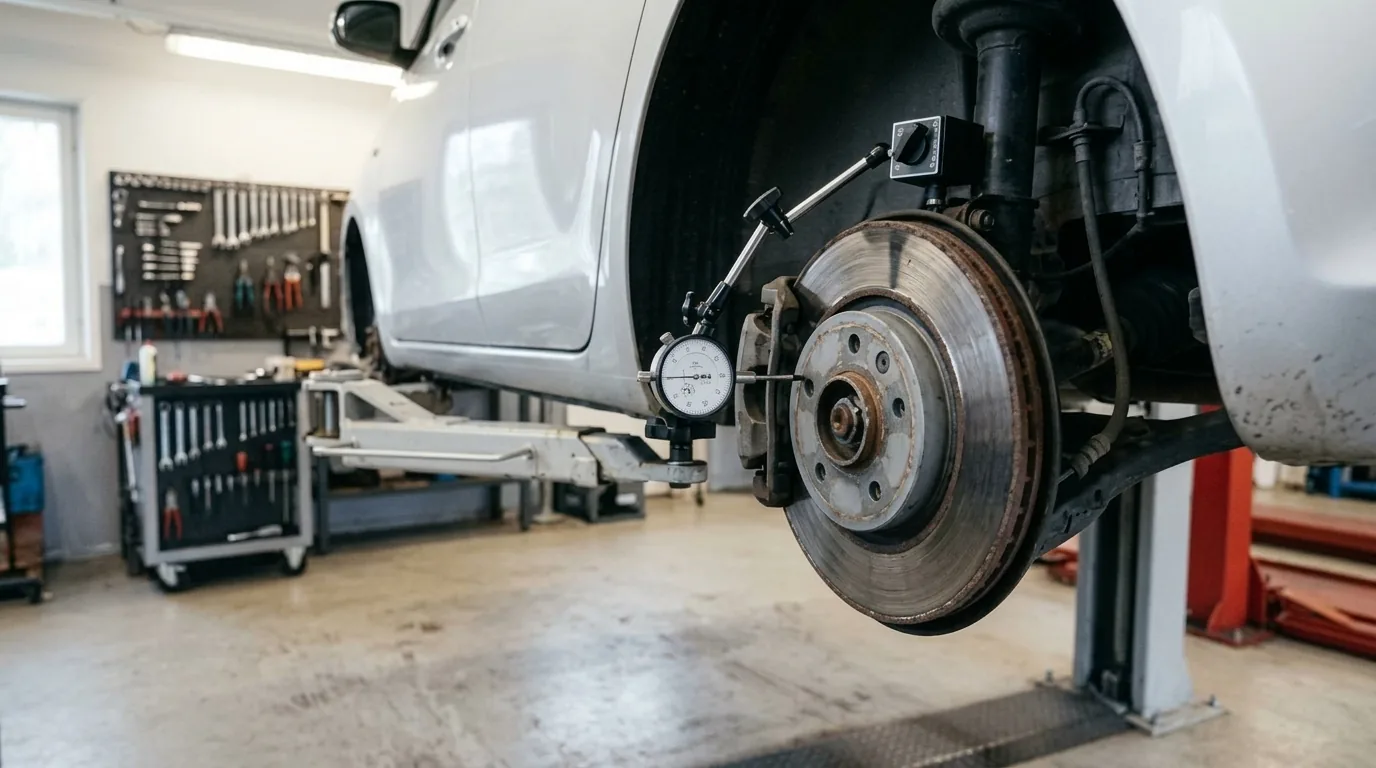
Car vibrates when braking: what causes it and what to do
When a car vibrates under braking, the cause usually lies in the brake discs: the disc varies in thickness, or an uneven deposit has built up on its surface, so the brake pad grips the disc unevenly on every revolution. If you feel the vibration through the steering wheel, the fault is usually in the front brakes. At the periodic inspection (katsastus), a large variation in braking force at a single wheel is grounds for rejection.
10 November 2026
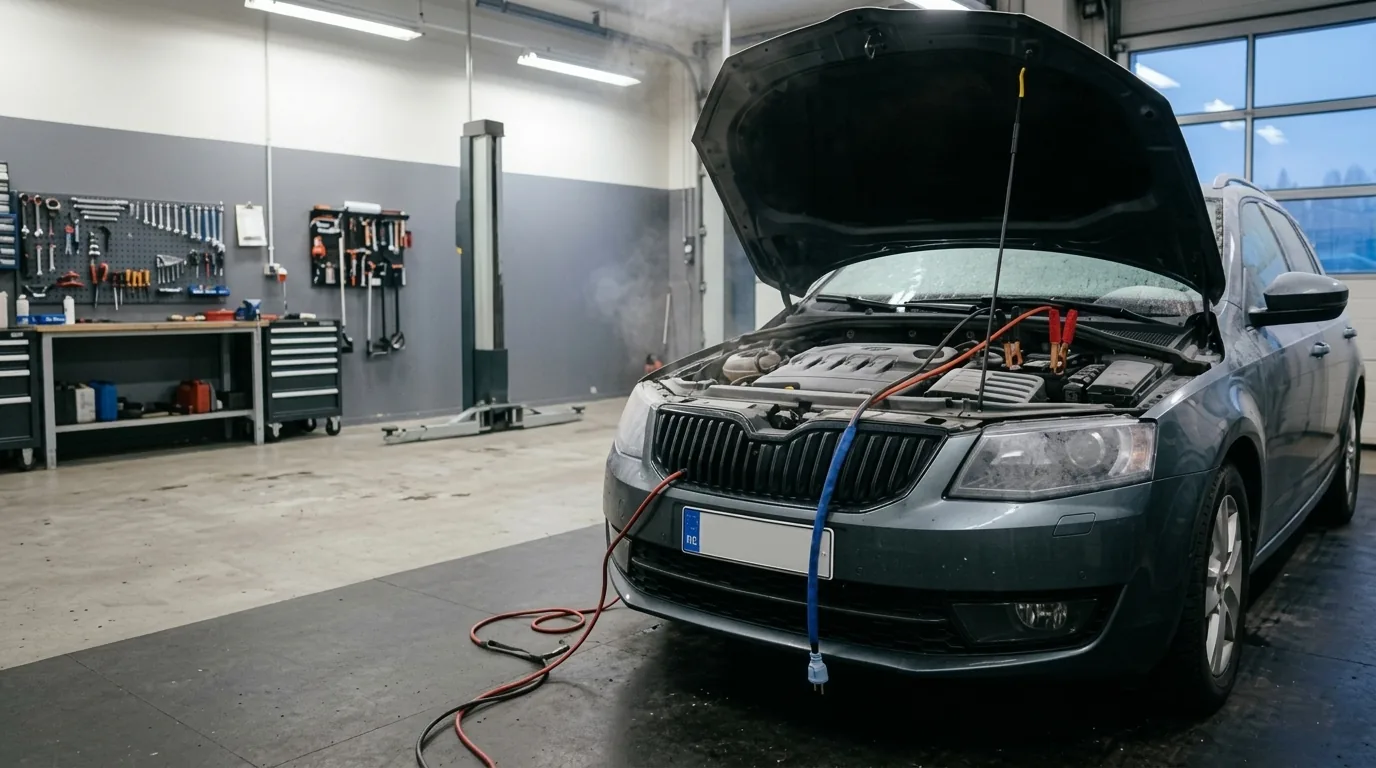
Car won't start in the cold: what causes it and what to do right away
When a car won't start in the cold, the cause is most often the battery: the cold weakens the battery, and stiff oil means the starter motor needs more current. The sound tells you where to look: a slow crank, just a click, or an engine that turns over but won't fire. Here is how to identify the fault and act right away.
10 November 2026
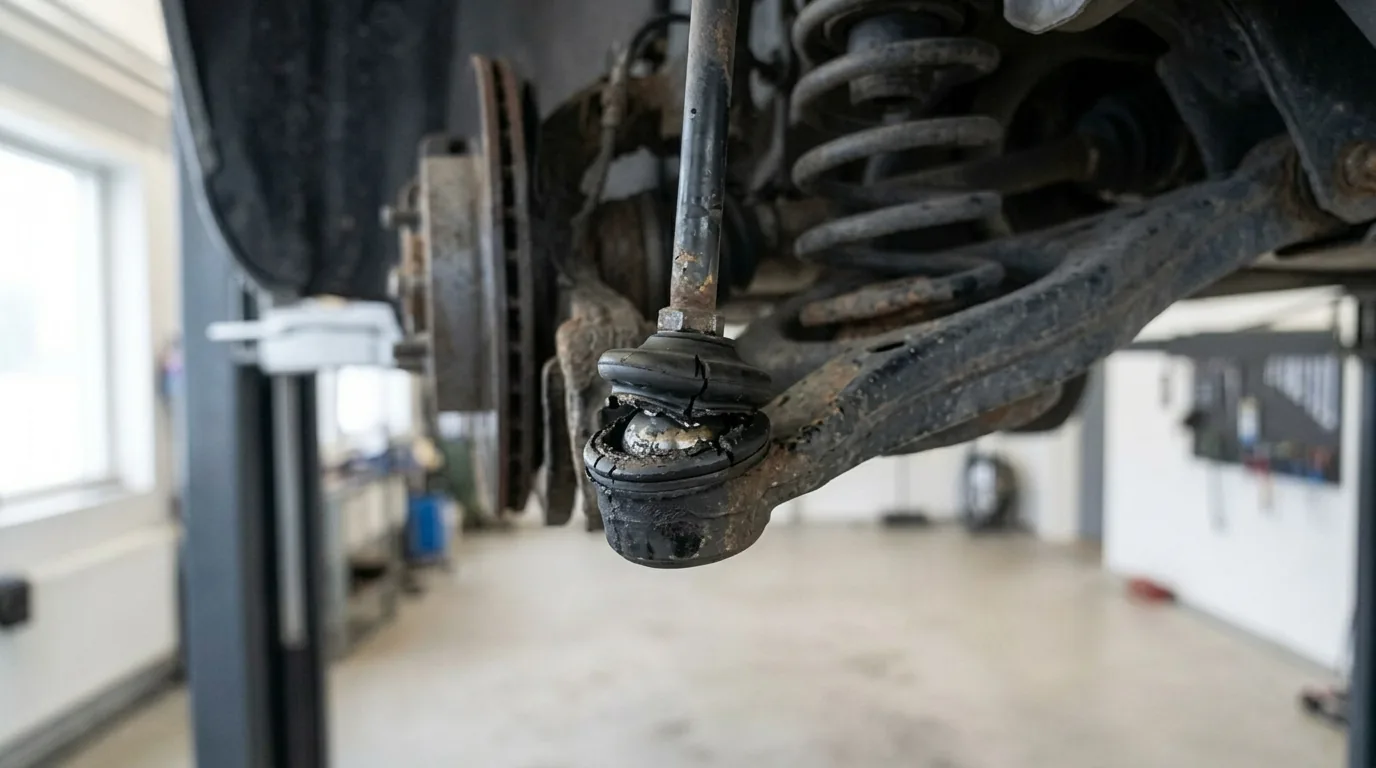
Clunking noise from your car: why it happens and when it is urgent
When a car clunks over bumps, in potholes or as it turns, the cause is often a worn joint or bush. The part is identified on the lift, and you are told the price before anything is replaced.
10 November 2026
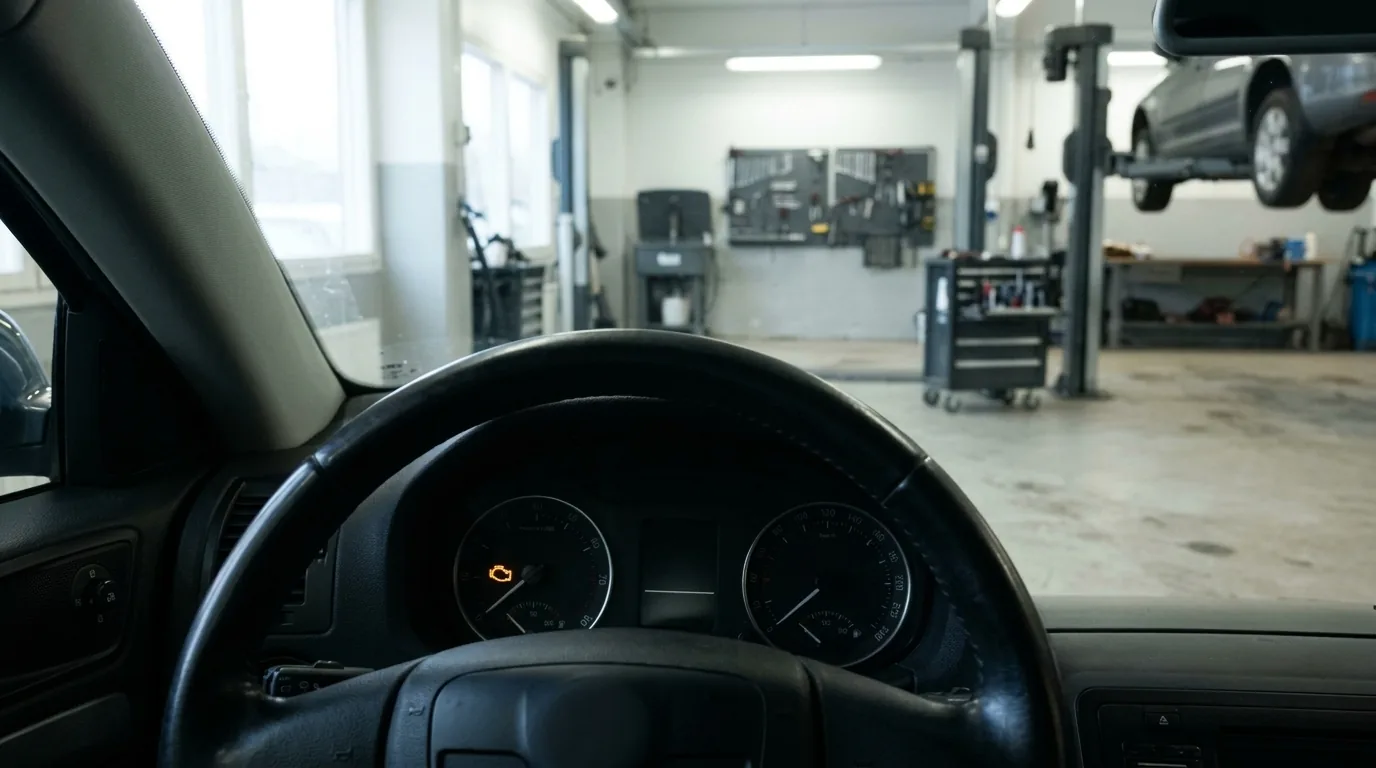
Engine warning light on: can you drive, and will the car fail its inspection?
When the engine warning light stays on, the car's engine management system has detected a fault that must be looked into soon. If the light flashes, it usually means a misfire, which can damage the catalytic converter, and you should avoid driving. At the inspection, a fault reported by the warning light fails the car, for example on a petrol car under ten years old.

10 November 2026
Windscreen fogging up on the inside: where the moisture comes from and what helps
A windscreen fogs up on the inside when moisture in the air inside the car condenses on the cold glass. The glass clears fastest when you turn recirculation off, switch the air conditioning on and point warm air at the windscreen with the blower on full. If the windows fog up every morning, there is too much moisture in the car, and it is worth finding where it comes from: wet mats, an old cabin filter or a leak.