
Volkswagen
Volkswagen Golf: servicing, faults and inspection
The Golf is the second most common model in the inspection statistics of Traficom, the Finnish Transport and Communications Agency. We explain what the Golf most often fails on, how its generations differ and what work it needs.
Volkswagen Golf: most common inspection faults 2025
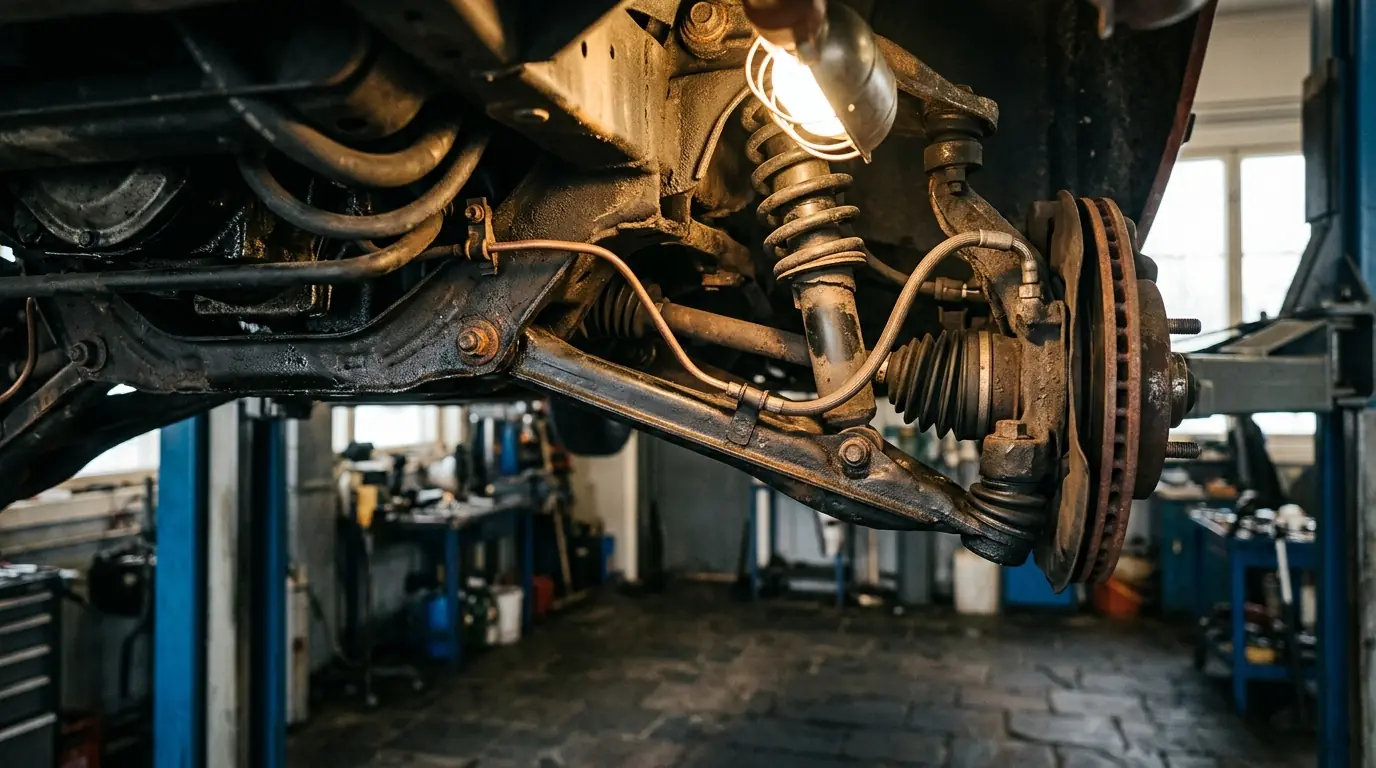
The most common rejection cause was the sills and floor pan: 7.8 faults per hundred inspections, 2.7 for all cars. The next most common were springs and shock absorbers as well as the service brake.
| Rejection cause | Faults | / 100 inspections | All cars |
|---|---|---|---|
| Sills and floor panChassis and bodyThe floor and the sills, where the fault is usually rust. It cannot be felt when driving, but it shows on the lift. The damaged panel is usually cut out and a new one welded in.Repair: Inspection repairs | 4 710 | 7.8 | 2.7 |
| Springs and shock absorbersAxles, wheels and suspensionFor example a broken spring or a leaking shock absorber. Shock absorbers are replaced in pairs on the same axle.Repair: Front shock absorbers | 4 584 | 7.6 | 6.1 |
| Service brakeBrake systemsFor example worn-out brake pads, discs that are rusted or too thin, and leaking brake pipes. Pads and discs are replaced according to their condition on the lift.Repair: Front brake pads and discs | 2 869 | 4.7 | 4.9 |
| Service brake roller testBrake systemsBrake rollers measure each wheel's braking force. The test fails a car whose braking force is below the requirement or whose wheels on one axle brake clearly unevenly. The usual cause is a seized caliper or a rusted disc.Repair: Front brake pads and discs | 2 491 | 4.1 | 3.2 |
| Petrol engine emissions testEmissions, noise and leaksThe cause can be the lambda sensor, the catalytic converter or a misfire, and on the road the fault often shows up as the engine warning light.Repair: Lambda sensor replacement, one sensor | 2 369 | 3.9 | 1.9 |
| Parking brake roller testBrake systemsThe test shows whether the parking brake reaches the required force. Common causes are a seized cable and a rusted rear brake.Repair: Brake caliper replacement, one caliper | 2 215 | 3.7 | 4.6 |
All cars: every make and model in the same Traficom statistics, all ages together.
How to read the table
Traficom's statistics cover passenger cars aged 4 to 20 years and model series inspected at least a hundred times in the year. Fault figures are rejection faults per hundred inspections. The table counts faults, not cars: one rejected car can carry several. A repair notice does not fail the car, but a fault left unrepaired can fail it the next time.
Source: Traficom, inspection statistics 2025.
Service, faults and symptoms
The Golf in the inspection statistics
According to Traficom's statistics, 60 538 Golfs went through the periodic inspection (katsastus) in 2025, and only the Škoda Octavia was inspected in greater numbers. There were 46.3 rejection faults recorded per hundred inspections, almost the same as the average for all cars (46.8).
The average hides a large difference between the generations. Golfs first registered in 2005–2008, mostly the Golf V, had clearly more faults than the average car of the same age. Those first registered from 2011 onwards have had fewer. On the Golf VII the difference is large: Golfs first registered in 2015 had 13.4 faults, against an average of 25.4 for cars of the same age.
About 73 % of the Golfs inspected were first registered in 2009–2020. They are mostly the Golf VI and the Golf VII.
Rust is the Golf's most common rejection cause
The Golf had 7.8 faults in the sills and floor pan, almost three times the average of 2.7 for all cars. The difference is not just down to there being old Golfs among the cars inspected. Golfs first registered in 2008 had 26.2 of these faults, against an average of 6.2 for cars of the same age. The Golf was above the average in every year of first registration from 2005 to 2013. So it pays to have the underbody of an older Golf checked on a lift before the inspection, not only after a rejection.
Besides rust, other body faults are recorded on the Golf more often than usual. The body item had 2.1 rejection faults, against 0.7 for all cars.
Suspension, brakes and emissions
Second come springs and shock absorbers (7.6). Golfs first registered in 2005–2012 had more of these faults than the average car of the same age. The symptom can be clunking on an uneven road or the car bouncing after a bump. The Golf has fewer front axle faults than average: 2.7, against 7.5.
On the brakes, rejections most often come from the service brake and the brake roller test. The usual cause is a seized brake caliper or a worn disc, and the symptom is vibration when braking or the car pulling to one side. The jobs are front brake pad and disc replacement and brake caliper replacement. If the car has an electric parking brake, a diagnostic tool puts it into service mode before the rear pads are replaced.
The petrol engine emissions test fails old Golfs clearly more often than other cars of the same age. Golfs first registered in 2005–2008 had about 10 of these faults. The cause can be the lambda sensor, the catalytic converter or a misfire, and on the road the fault often shows up as the engine warning light. Diagnostics tell you the cause before a single part is replaced.
In 2025, a total of 31 288 repair notices (korjauskehotus) were recorded for Golfs, or 51.7 per hundred inspections, against 59.9 for all cars. About half concerned lights and electrical equipment, and the most common single item was the dipped beam. With the dipped beam, the cause is often a blown bulb or incorrect headlight alignment.
Servicing
A Golf's scheduled service follows Volkswagen's service schedule, which varies with the engine and the model year. The flexible LongLife service interval requires an oil approved by the manufacturer, and that is the oil we use for an oil change. Some Golf engines have a timing belt, others a timing chain, and the replacement follows the manufacturer's schedule.
Generations
- Golf IV 1997–2003
- Golf V 2003–2008
- Golf VI 2008–2012
- Golf VII 2012–2019
- The most common Golf in the inspection statistics.
- Golf VIII 2019–
When it is urgent
- There is play in the steering, or the steering wheel jerks on an uneven road. A joint or a track rod may be worn out.
- The brake pedal is soft or sinks to the floor, or the car pulls hard to one side when braking. Have the brakes checked before the next drive.
- There is play in the steering or the car wanders in its lane without steering input. A front axle or steering joint may be worn out.
- The parking brake does not hold on a slope or releases by itself. Have the rear brake or the cable checked before parking on a slope again.
- The engine warning light flashes. A flashing light usually means a misfire, which can damage the catalytic converter.
- The coolant warning comes on or the temperature gauge rises. Stop in a safe place and follow the owner's manual: some makers advise letting the engine idle briefly before switching off.
If the Volkswagen Golf failed its inspection
A repaired car can be approved at a re-inspection if it is presented within a month of the rejection. The re-inspection checks the items where faults were found, so the repair addresses the items on the rejection report. After a month, the car needs a new periodic inspection. If the car was inspected on time and not banned from driving, it may be driven for at most two months after the rejection.
Repair: Inspection repairs
A passenger car is first inspected four years after its first registration and then every two years. A car more than ten years old is inspected every year.
Work we do on this car
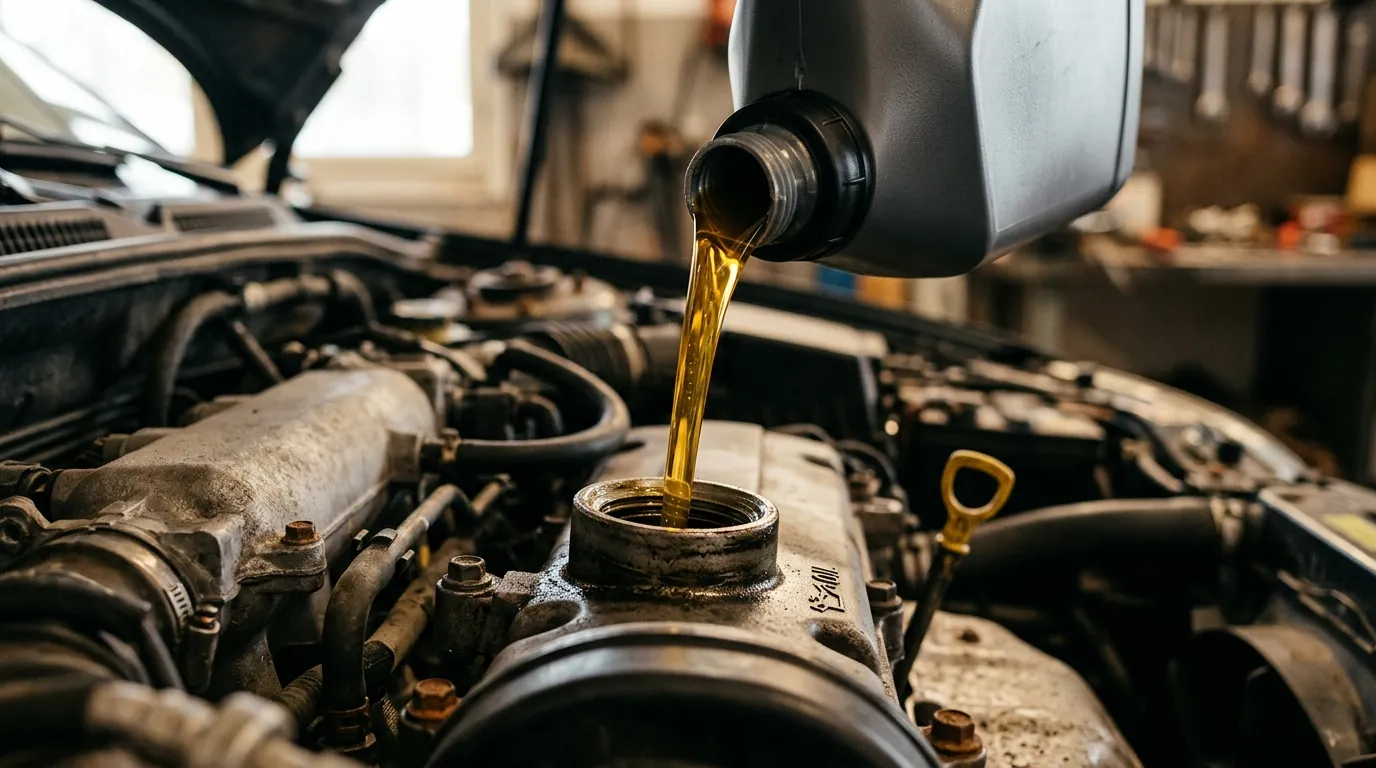
Oil change
Up to 5 litres of the oil that suits your car, the oil filter and the cabin filter. We choose the oil and the filters from your registration number. Each further litre 15 €. We check the fluid levels and tyre pressures at the same time.
169 €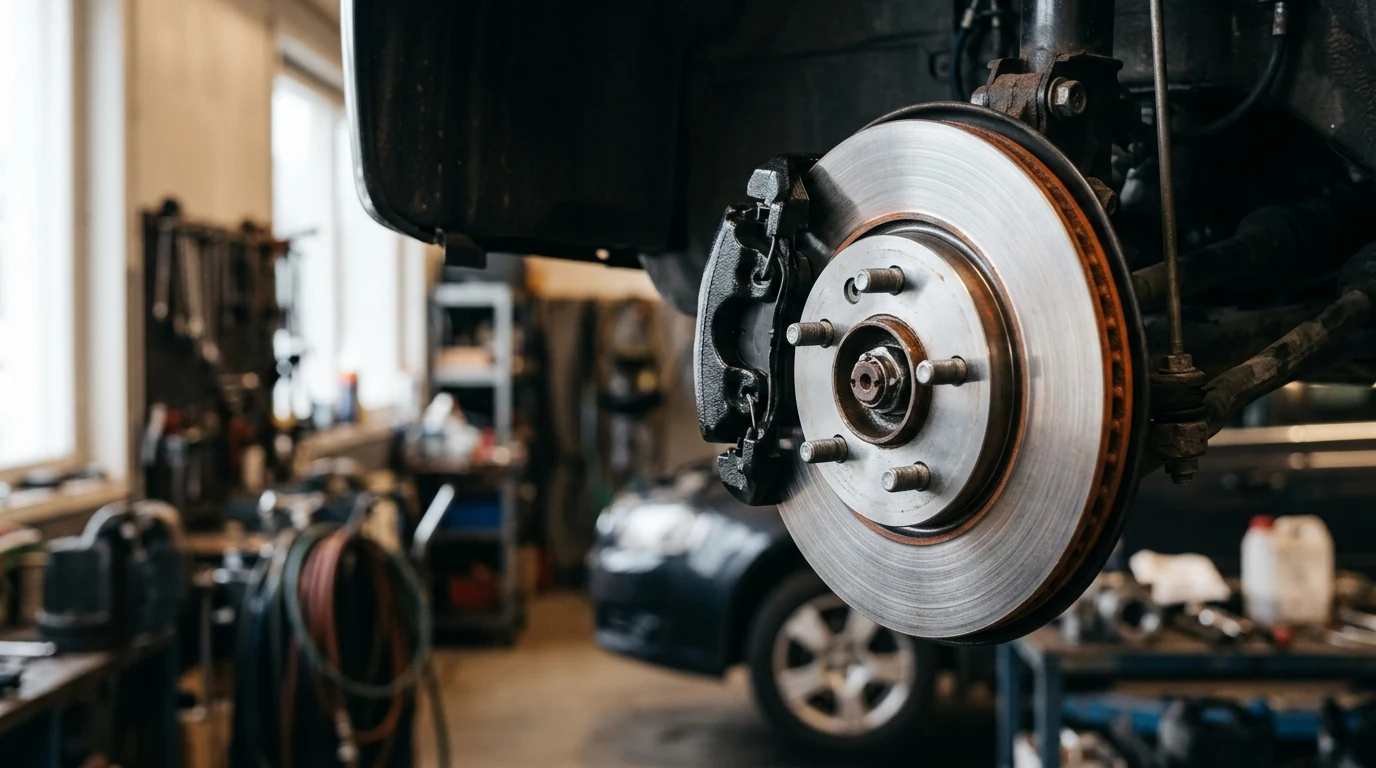
Front brake pads and discs
Front axle pads and discs, labour and parts, fixed price. Passenger cars with standard brakes; large or sport brakes priced on request.
299 €
Scheduled service
The scope varies from car to car, so we tell you the price before the work starts.
approx. 189 €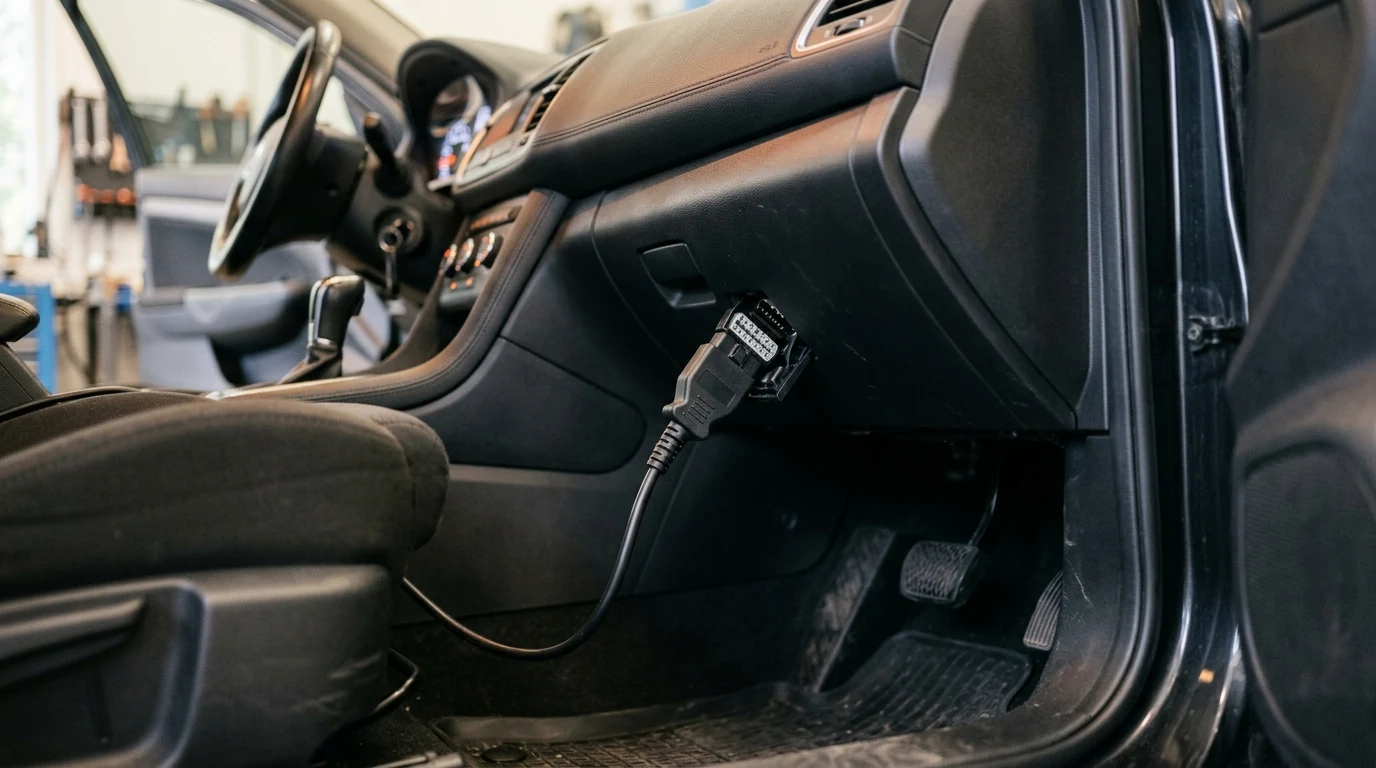
Diagnostics
Half an hour: fault codes, measurements and a written report. 0 € when you have the fault repaired with us.
29 €Inspection repairs
We repair the faults on the rejection list, item by item. The price comes from the list, before any work starts.
Ask the price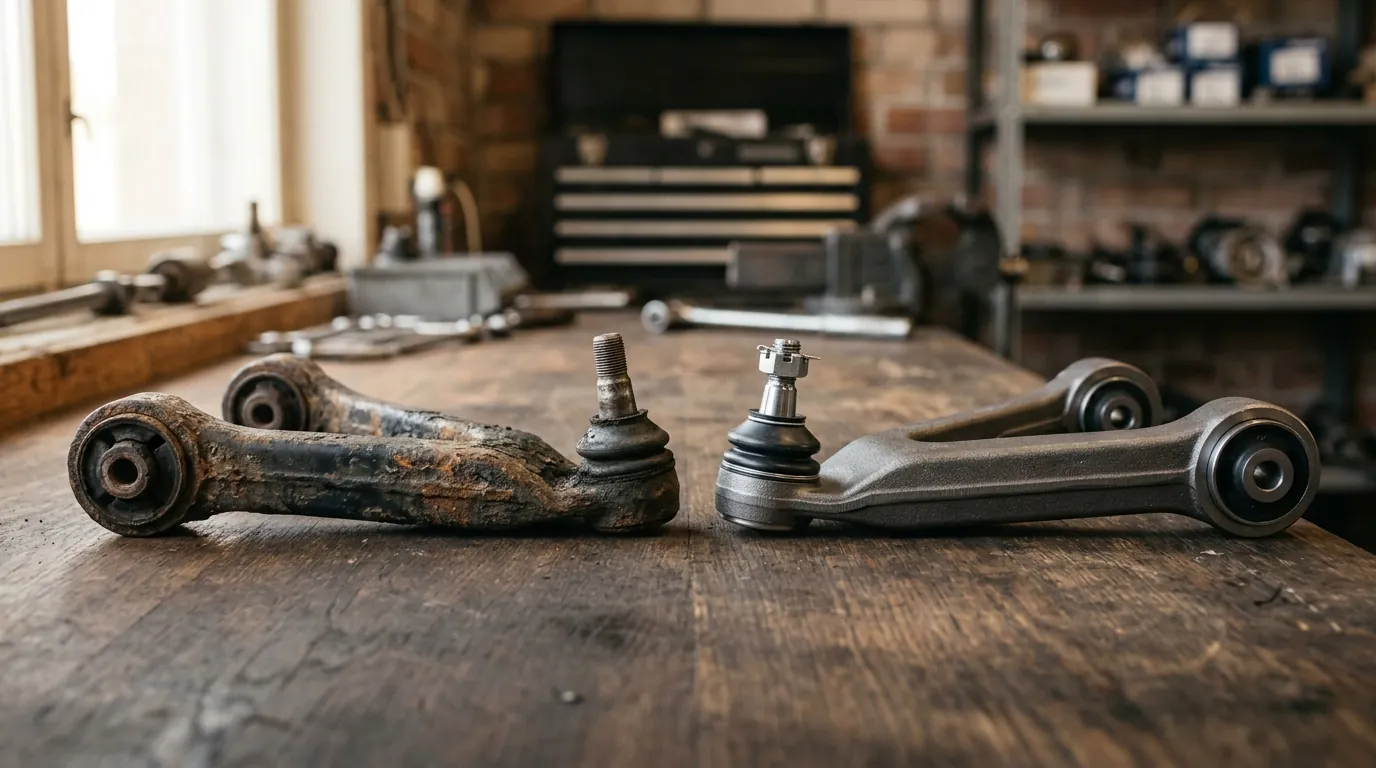
Suspension repair
Control arms, joints and shock absorbers. The price is assessed from what the lift shows.
Ask the price
Read next
10 November 2026
Volkswagen, Škoda, Audi and Seat at inspection in 2025: models and most common faults
In 2025, a total of 182 456 Volkswagens first registered between 2005 and 2021 went through the periodic inspection (katsastus), and 44.8 rejection faults were recorded per hundred inspections, slightly below the 46.8 for all makes. The differences between models are large: the figure was 23.4 for the Tiguan and 77.9 for the Jetta.
10 November 2026
Car vibrates when braking: what causes it and what to do
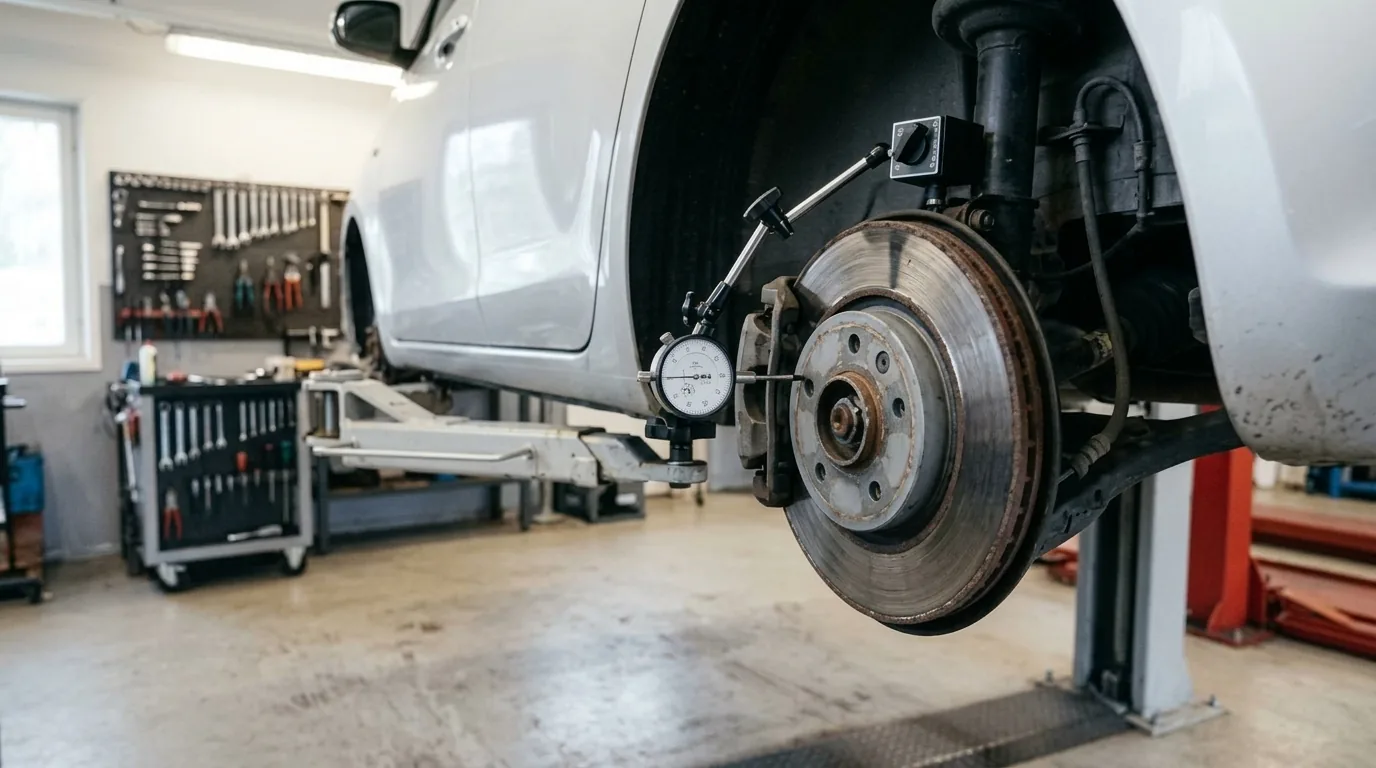
When a car vibrates under braking, the cause usually lies in the brake discs: the disc varies in thickness, or an uneven deposit has built up on its surface, so the brake pad grips the disc unevenly on every revolution. If you feel the vibration through the steering wheel, the fault is usually in the front brakes. At the periodic inspection (katsastus), a large variation in braking force at a single wheel is grounds for rejection.
10 November 2026
Clunking noise from your car: why it happens and when it is urgent
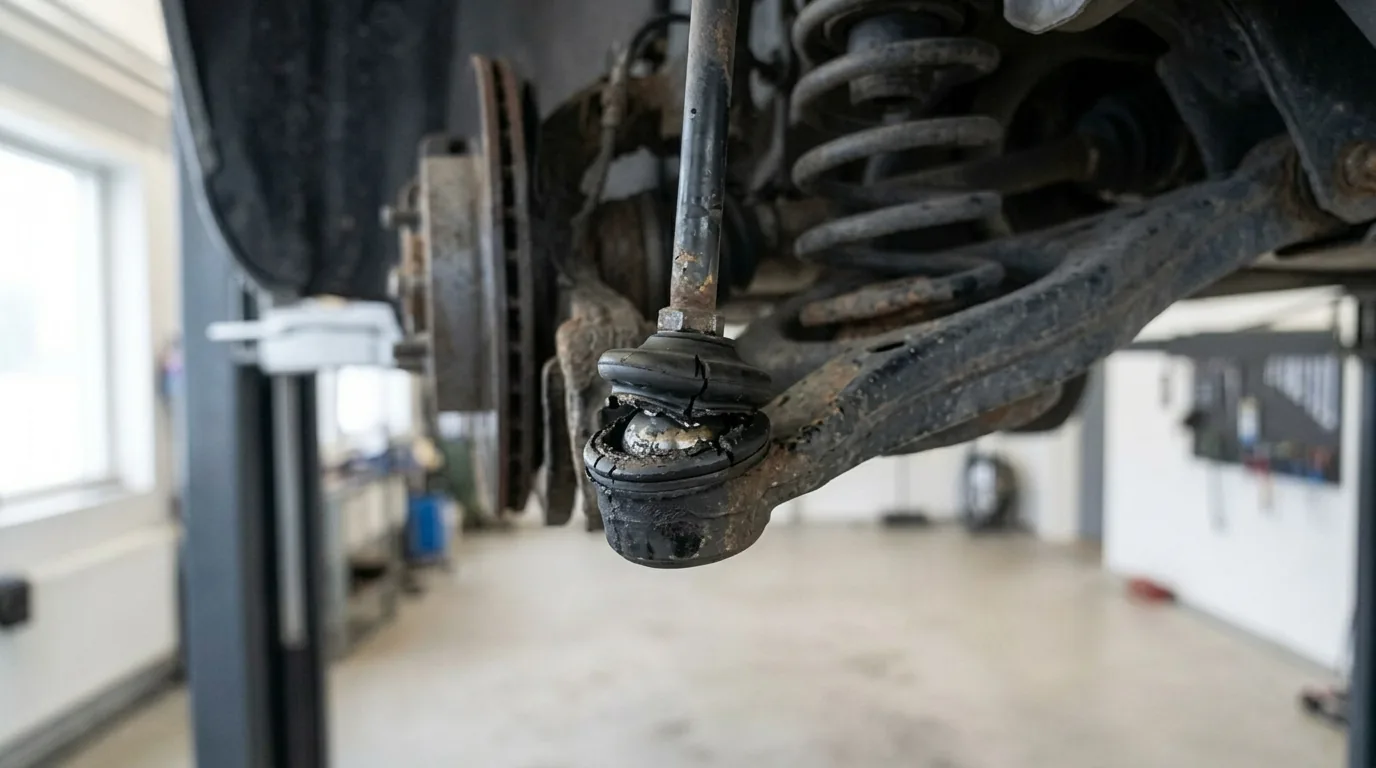
When a car clunks over bumps, in potholes or as it turns, the cause is often a worn joint or bush. The part is identified on the lift, and you are told the price before anything is replaced.
10 November 2026
Engine warning light on: can you drive, and will the car fail its inspection?
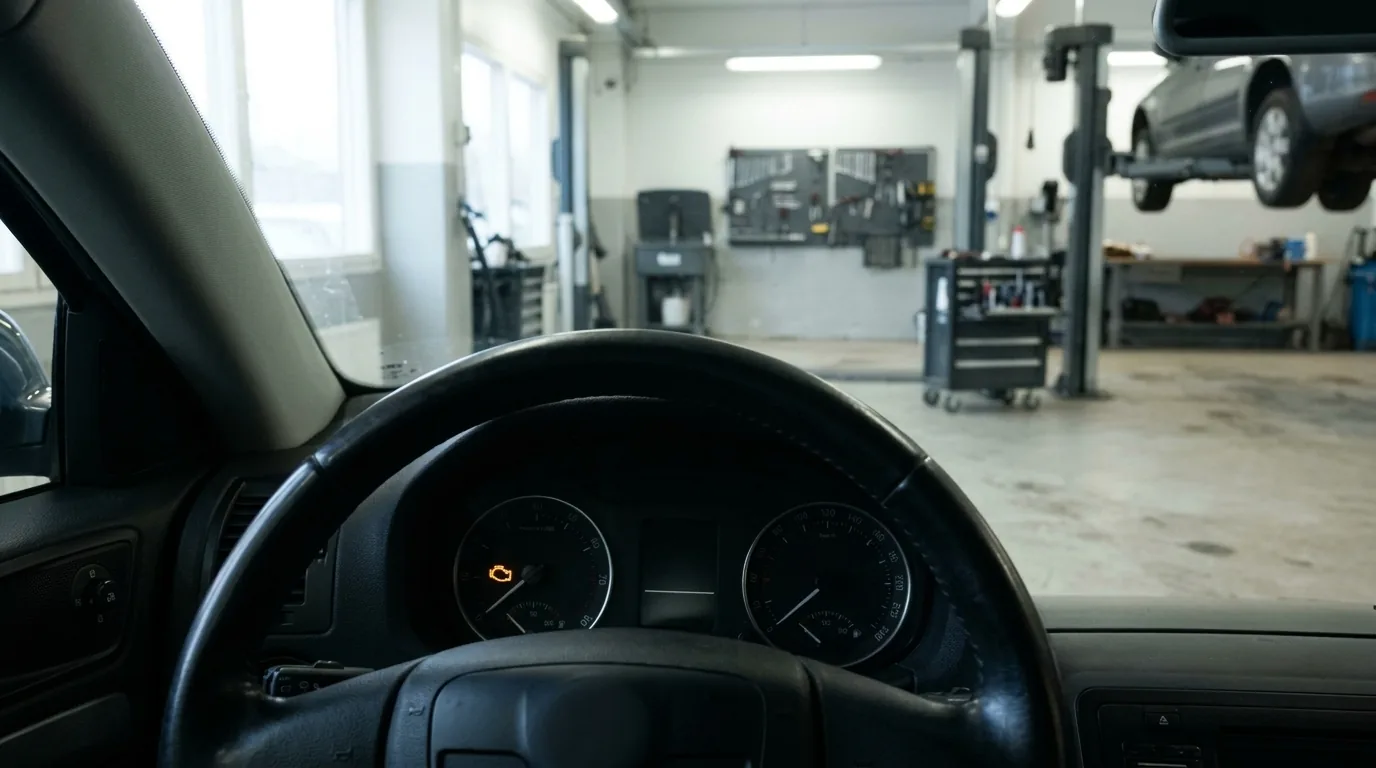
When the engine warning light stays on, the car's engine management system has detected a fault that must be looked into soon. If the light flashes, it usually means a misfire, which can damage the catalytic converter, and you should avoid driving. At the inspection, a fault reported by the warning light fails the car, for example on a petrol car under ten years old.
Other Volkswagen models
Volkswagen Polo
The Polo fails the inspection (katsastus) about as often as cars of the same age. Its most common rejection causes are the service brake roller test and, on the oldest Polos, rust in the underbody.
21 420 inspections · 44.8 faults per hundred inspections
Volkswagen Passat
Passats are high-mileage cars: the ones inspected had a median of 240 000 km on the clock. On older Passats the most common rejection cause is the suspension, on newer ones the front axle.
36 920 inspections · 41.4 faults per hundred inspections
Quote request
Ask for a quote for this car: Volkswagen Golf
Type the registration number and we look up the job for your car and tell you the price before you agree a time.