Published
Related symptoms: brakes dragging · brake caliper stuck · wheel rim gets hot when driving · car pulls to one side when braking · rusty brake discs · burning smell from a wheel
Brakes dragging: how can you tell?
A dragging brake does not release fully when you lift your foot off the pedal. The pad keeps rubbing against the disc, and the rubbing turns into heat. That is why the first sign is often a hot wheel rim.
Other signs are:
- A burning smell from a wheel after parking.
- The car pulls to one side, either while driving without braking, towards the dragging wheel, or when braking, because the wheels on one axle brake with different force.
- The car slows down faster than usual when you lift your foot off the accelerator, or feels heavy when moving off.
- One wheel is blacker than the others. According to the parts manufacturer Hella, heavy brake dust on one side is a sign of a sticking caliper.
- The pads wear unevenly. The pads on one wheel are worn out while there is still friction material on the other side of the same axle, or the inner pad is far more worn than the outer one.
- A rubbing sound comes from the wheel even when you are not braking.
Fuel or electricity consumption can also rise, because the car has to overcome the drag of the brake. Even so, the fault is hard to spot from consumption, so it is better to watch the rim's temperature and the smell.
You can test it yourself. Drive a short distance without braking unnecessarily and hold your palm close to the rim without touching it. If one rim is clearly hotter than the others, its brake is probably dragging. Do not touch the disc or the caliper, as they can be burning hot.
Brake caliper sticking: why does it happen?
On most cars, the brake caliper slides on two slide pins, and the piston presses the pads against the disc. When the brake is released, the piston retracts slightly and the caliper slides back. If the pins or the piston do not move freely, a pad stays pressed against the disc.
The Finnish winter makes brakes stick in several ways:
- Road salt corrodes the caliper, its carrier and the pads' guide surfaces. Rust builds up between the pad and the carrier, and the pad can no longer move.
- Moisture gets around the piston if its rubber dust boot has cracked, and the piston rusts solid.
- The grease dries out on the slide pins and mixes with dirt, and the pin stiffens.
- Short trips do not give the brakes time to warm up and dry, so moisture stays between the parts.
- Standing still lets rust take hold on the disc and the pad. On a summer car that has stood all winter, the pads can be rusted to the discs by spring.
Rear brakes stick more often than front brakes. They do a smaller share of the braking, so braking does not clean the rust off their discs as well, and the rear caliper often also houses the parking brake mechanism. We cover a frozen or seized parking brake in our article on a handbrake that is frozen or does not hold.
Some car manufacturers allow for this in their service instructions. In Kia's service schedule, the brake discs, pads and calipers are inspected more often than usual if the car is driven in areas where salt is used, or in very cold weather. In the Model 3's service intervals, Tesla advises cleaning and lubricating the brake calipers every year or every 20 000 kilometres if the car is driven on salted roads in winter.
Rusty brake discs: when is it normal?
A thin film of brown rust on the disc after a wet night is normal. The disc is bare cast iron, and it rusts quickly. According to the brake manufacturer Brembo, ordinary braking wears the surface rust off, and the brakes may squeal for the first few kilometres. If the noise continues, have the brakes checked.
The rust to worry about is the rust that stays. According to Brembo, the rusted areas spread on a car that stands for a long time. The signs are:
- part of the disc's friction surface stays brown even after driving
- the surface is pitted or blotchy
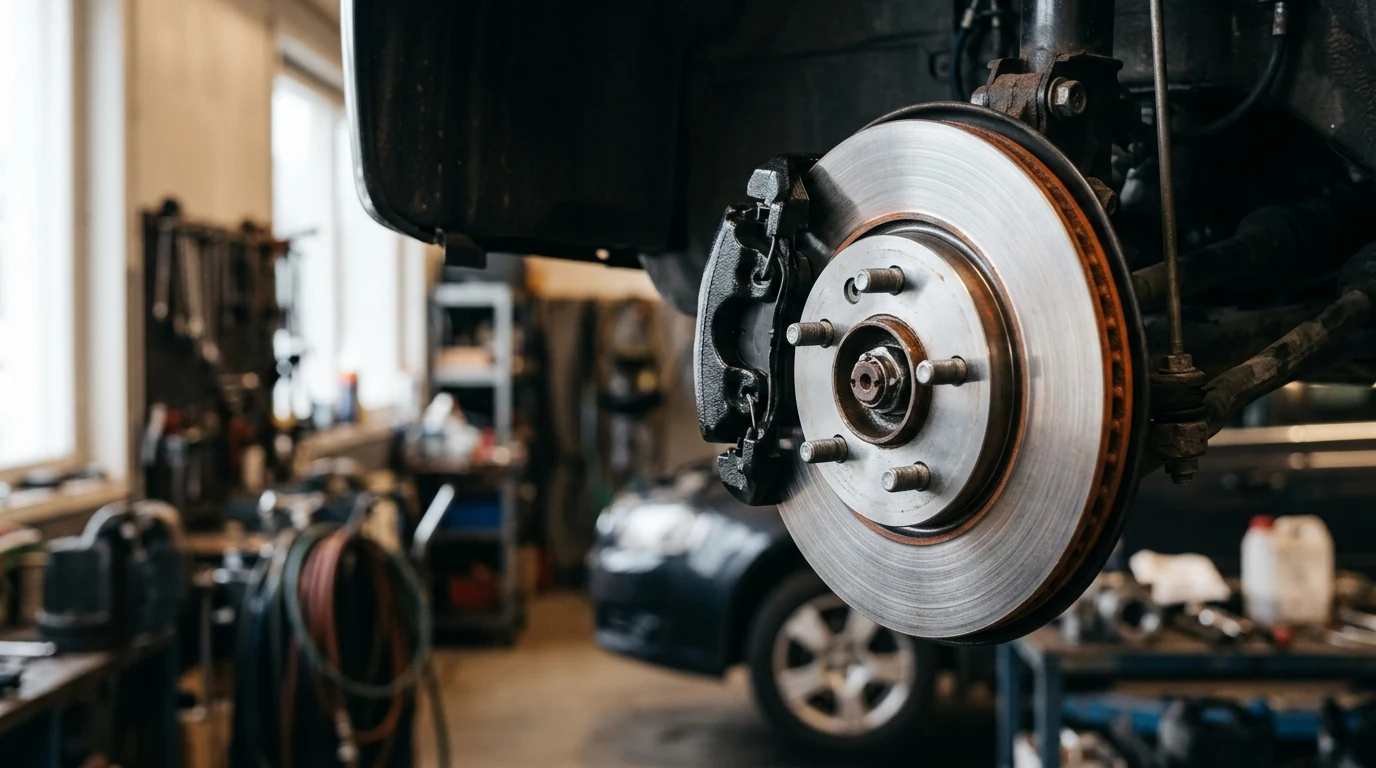
- a thick ridge of rust has built up on the outer edge of the disc
- one side of the disc, often the inner face, is rusty while the other one shines.
The last of these tells you that one pad has seized in its carrier and no longer touches the disc, or that the rear brake is not doing its share. You cannot see the inner face through the wheel, so it is usually found only once the wheel is off.
The discs rust more easily on electric and hybrid cars. The car slows down mostly with its electric motor and recovers braking energy as it does, so the wheel brakes see little use. According to the magazine Moottori, little use can make the wheel brakes seize. The Kia EV6 and at least one Hyundai electric model, for example, have a brake disc cleaning function for this: while it runs, energy recovery is restricted and the car brakes with its wheel brakes. In Kia's instructions, the driver brakes about ten times during it. Check your own car's owner's manual for a similar function.
Cleaning and lubricating the brakes: what is done?
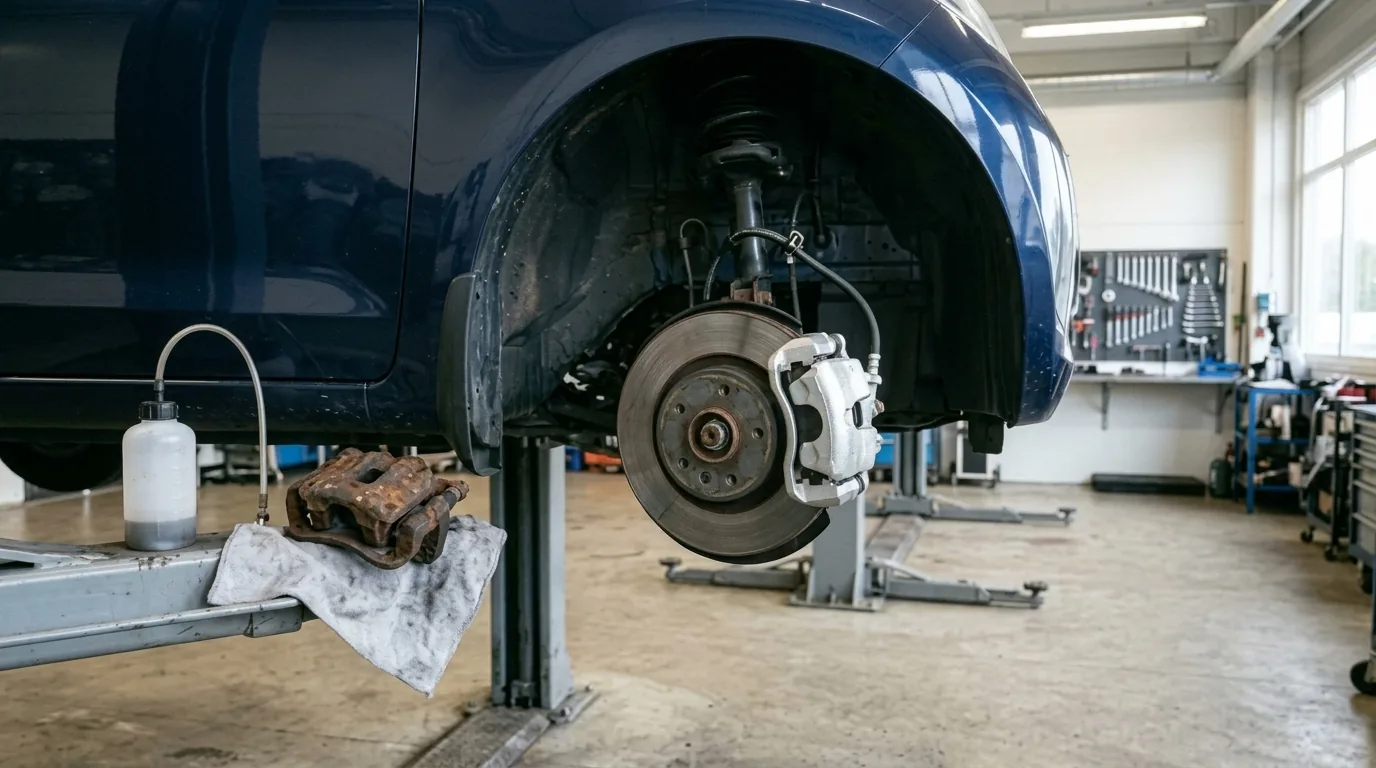
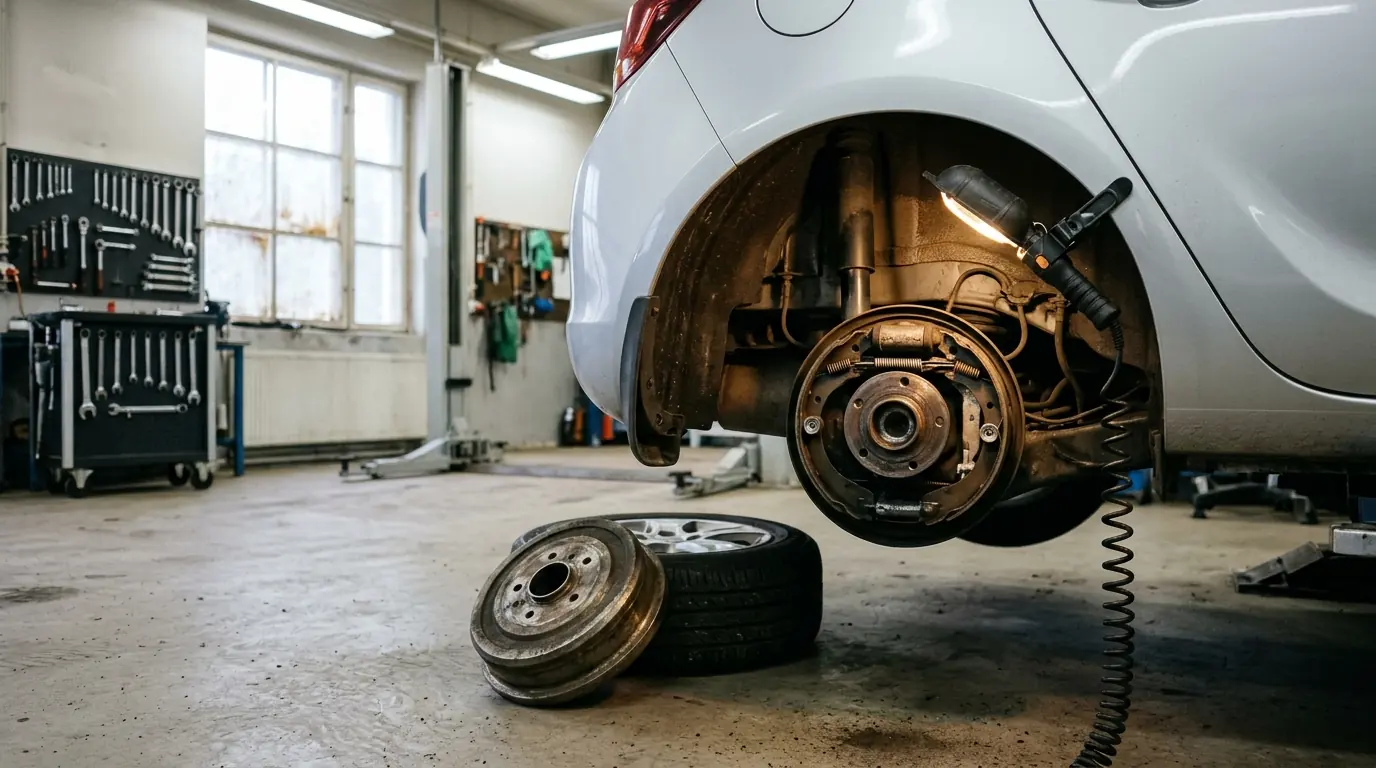
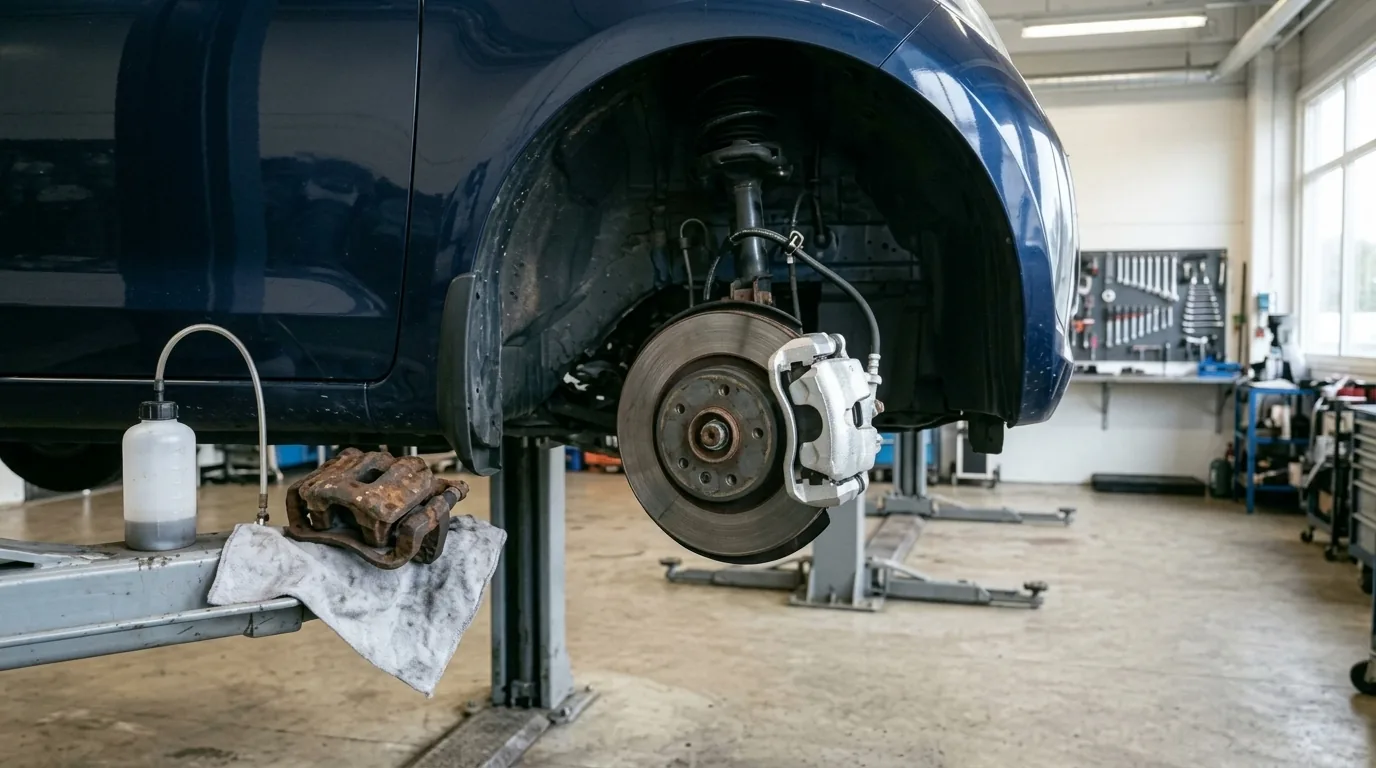
When the brakes are cleaned and lubricated (herkistely, also called herkistys), the brake is taken apart, the carrier and the pads' guide surfaces are cleaned of rust and the slide pins are greased, so that the caliper and the pads move freely again. The work is always done on both wheels of the axle.
- The wheel is taken off, and the caliper and the pads are removed from the carrier.
- The carrier and the pads' guide surfaces are cleaned of rust down to bare metal.
- The slide pins are cleaned and greased with a grease made for brakes. According to Hella, the wrong lubricant can make rubber parts swell, and the pin then sticks again.
- A thin coat of metal-free brake paste goes on the points where the pads touch the caliper. Too much grease does harm.
- The piston's movement and its rubber dust boot are checked. A damaged boot is always replaced.
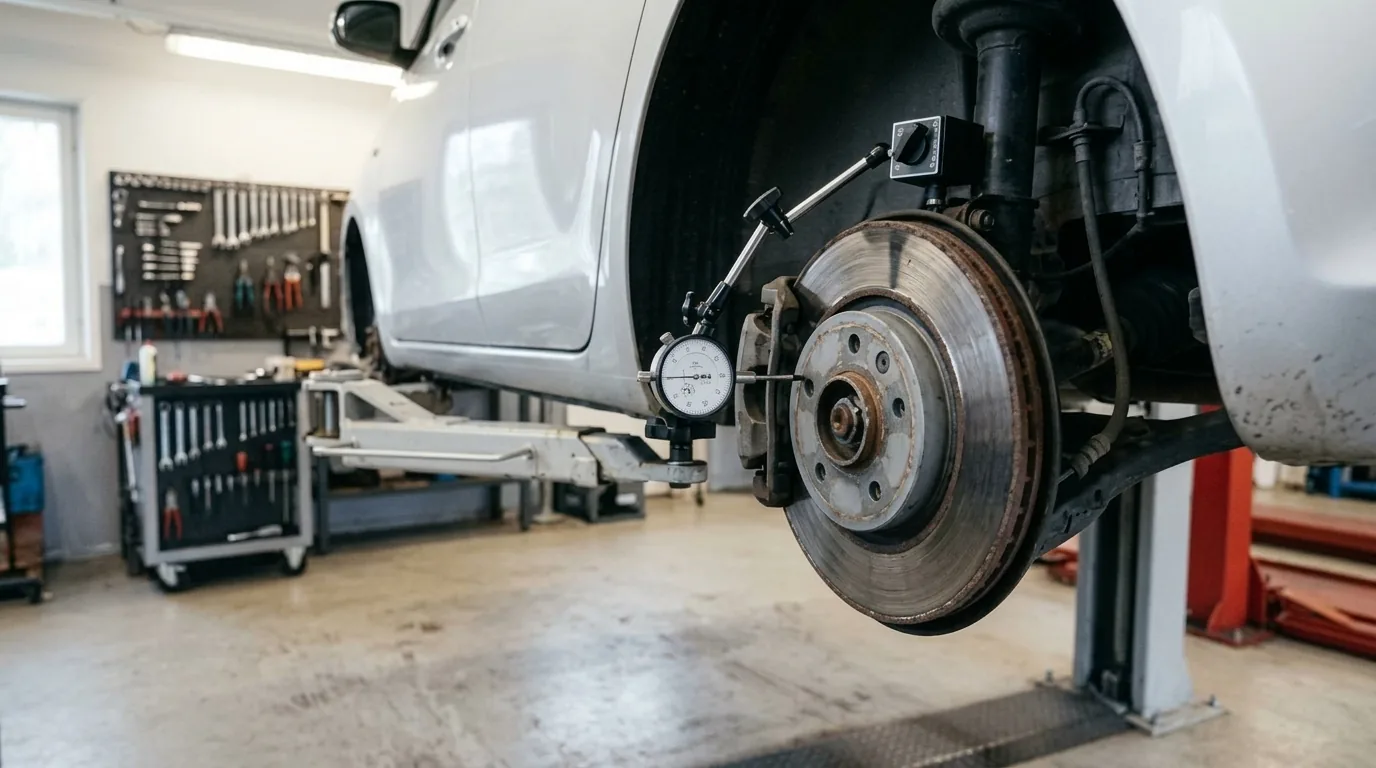
- The thickness of the pads and discs is measured, the brake is reassembled and the car is road-tested.
Cleaning and lubrication is enough when the cause lies in stiff slide pins or in rust between the pads and the carrier, and the pads, discs and piston are in good condition. It is also good prevention for a car driven on salted roads and for an electric car that sees little use.
When is cleaning and lubrication not enough?
Cleaning and lubrication does not help if the fault goes deeper. The repair is then usually one of these:
- The piston has rusted solid or its seal leaks. The caliper is replaced. A caliper can in principle be overhauled, but a new or factory-reconditioned caliper is usually cheaper and more reliable. We describe the work on the brake caliper replacement page.
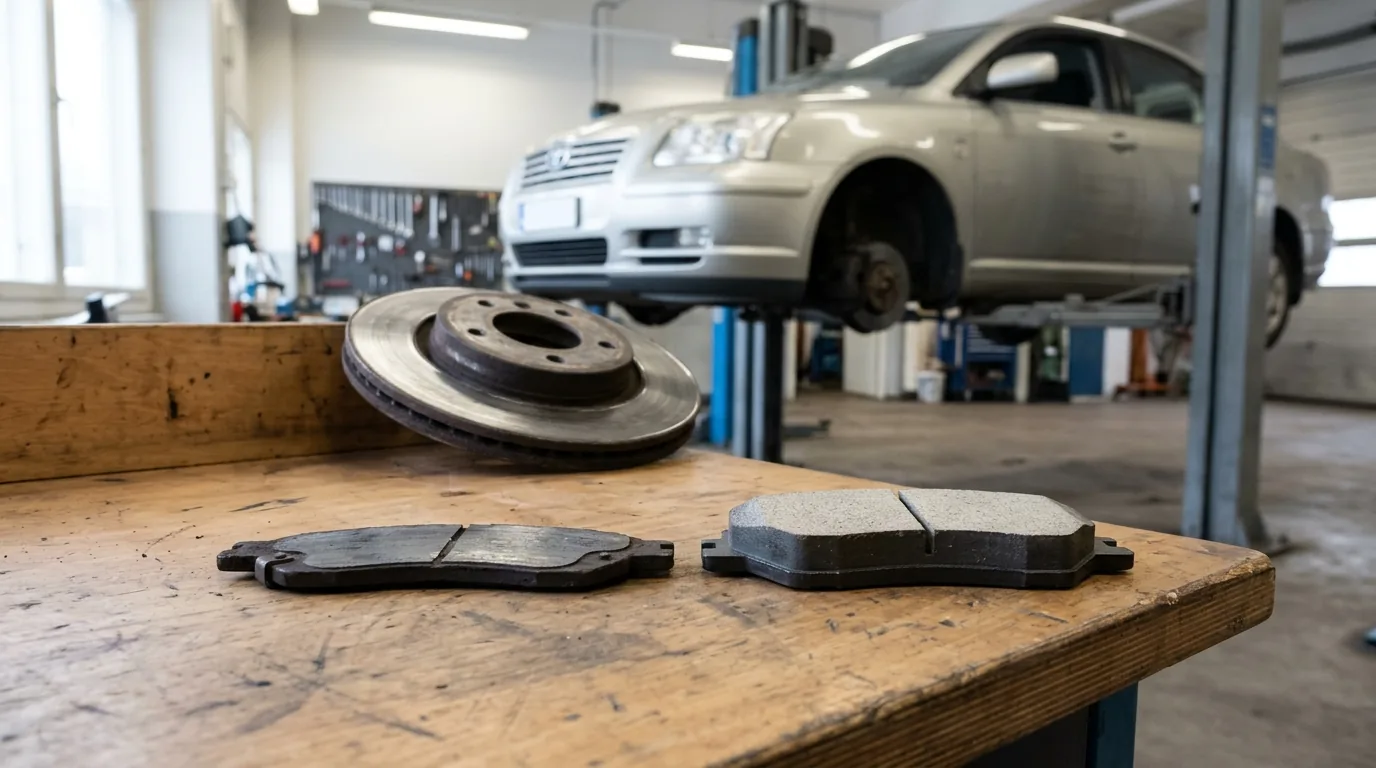
- The pads are worn out or worn unevenly. Pads are always replaced across the whole axle.
- The disc is corroded, pitted or blued from overheating. According to Hella, discs are replaced in pairs and always together with new pads.
- A brake hose has swollen on the inside and does not let the fluid back. The symptom is the same as a seized caliper's, so the cause is found before any parts are ordered.
We cover pad and disc wear and the replacement interval in our article on the brake pad replacement interval. If the brakes judder, also read the car vibrates when braking.
Brake service: when is it worth doing?
In a brake service, the brakes are inspected on a lift, the pads and discs are measured, and the calipers are cleaned and lubricated where needed or worn parts are replaced. The best moment for it is the tyre change. The wheels are off anyway, and the pads, discs and calipers can all be seen at once. In spring, the winter's salt and moisture have done their work, and in autumn it pays to get the brakes in order before the slippery season. If the inspection is coming up, have the brakes checked before it.
Brakes are on people's minds most in spring. According to Google's search statistics for Finland, the search «jarrupalojen vaihto» (brake pad replacement) was made most often in April over the last year, about 1 300 times. A second, smaller peak comes in November, with about 1 000 searches, and the quietest months are January and February, at about 590 searches a month.
A dragging brake at the inspection
At the inspection (katsastus), the brakes on most cars are measured on a brake dynamometer, better known as the brake rollers, one axle at a time. The measurement shows each wheel's braking force and whether the brake stays dragging. Under Traficom's inspection regulation, the car fails if:
- a brake drags
- the difference in braking force between the wheels of one axle is more than 30 per cent of the greater braking force
- more than a third of the friction surface on either side of a brake disc is rusted or corroded.
If the difference on the steered front axle is more than 50 per cent of the greater braking force, the result is a driving ban (ajokielto). This is exactly where a sticking caliper shows: one wheel brakes more weakly or does not release. The inspector can also check whether the rims heat up when the car is driven.
In Traficom's statistics for 2025, brakes were the second largest group of rejection faults after the axles, wheels and suspension. In the periodic inspections of passenger cars first registered between 2005 and 2021, 217 030 rejection faults were recorded in brake systems, and 53 446 of them came from the service brake roller test. The statistics do not say how many were caused by a caliper. The other common causes are in our article on why cars fail the inspection.
Can you drive with a dragging brake?
With a mildly dragging brake you can usually drive a short distance calmly to a workshop, as long as the rim does not get clearly hotter than the others, but the repair is not worth putting off. A dragging brake wears out the pads and the disc quickly, and the repair grows as it does. A hot brake also weakens: according to Brembo, overheated pads lose their effectiveness, and hot brake fluid can boil, forming vapour bubbles that make the pedal go soft.
Stop and let the brake cool down if smoke rises from the wheel, the burning smell is strong or the rim is so hot that you cannot hold your hand near it. Do not drive on if the brake pedal feels soft, the car pulls hard to one side when braking or the wheel is so stuck that the car hardly moves. The car is then brought to the workshop on a tow.
When should you take the car to a workshop?
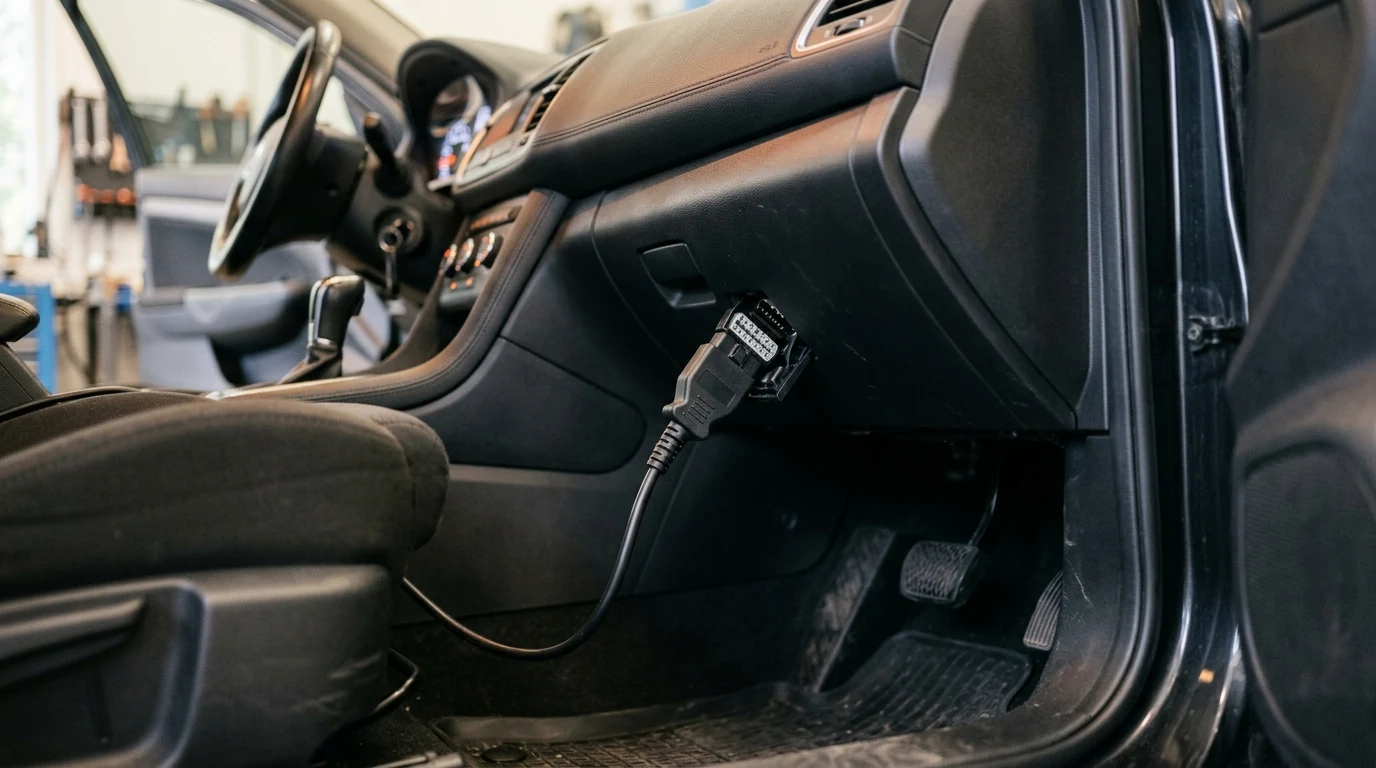
Book a time when you notice any of the signs above, when the brakes still squeal after a long drive or when the disc has rust that driving does not remove. If you do not know which wheel is dragging or where the smell is coming from, start with diagnostics.
At CarOn in Suutarila (Lampputie 12), we clean and lubricate brakes and do other brake servicing. We look at the brakes on a lift and tell you the price before the work starts. If the pads or discs need replacing, you can see the fixed price (kiinteä hinta) of brake pad replacement for your car from its registration number and book a time at once. Replacing a seized caliper is a separate job: see brake caliper replacement.